Why Your Pond Keeps Getting Toxic Algae Blooms
If you only focus on the algae, you are ignoring the reason it's there. Chemicals might clear the water today, but they're just feeding the bloom of tomorrow. Here is how to fix the underlying ecosystem instead.
Managing a pond requires an understanding of limnology and biogeochemistry rather than a simple reliance on algaecides. Toxic algae blooms, primarily composed of cyanobacteria, are not an isolated event but a physiological response to specific environmental data points. Treating the water with copper-based products provides a temporary reduction in biomass but fails to address the nutrient loading and thermal stratification that catalyze these events.
A technical approach focuses on shifting the pond from a eutrophic or hypereutrophic state toward a mesotrophic equilibrium. This shift involves mechanical optimization of the water column and chemical sequestration of limiting nutrients. Through precise engineering and monitoring, the environmental triggers that favor cyanobacteria can be suppressed, allowing for a more stable and diverse aquatic community.
Why Your Pond Keeps Getting Toxic Algae Blooms
Toxic algae blooms occur when the pond’s nutrient capacity is exceeded, creating a surplus of nitrogen and phosphorus that fuels rapid cellular division. These blooms are frequently dominated by cyanobacteria, which are prokaryotic organisms capable of producing potent toxins such as microcystins and anatoxins. These toxins represent a significant biological hazard to livestock, pets, and human residents.
The primary driver for these blooms is phosphorus loading. Phosphorus often enters the system via external runoff from fertilized landscapes or internal recycling from the sediment. In many established ponds, the sediment acts as a "legacy phosphorus" reservoir. When the water column becomes stratified during summer months, the bottom layer (the hypolimnion) loses oxygen. This drop in dissolved oxygen (DO) triggers a shift in the oxidation-reduction (Redox) potential of the sediment.
Under anoxic conditions—typically when DO falls below 1.0 mg/L—the chemical bonds between iron and phosphorus break down. This process, known as reductive dissolution, releases massive amounts of orthophosphate back into the water column. This "internal loading" provides a continuous supply of fuel for algae even if external runoff is curtailed.
Temperature and light also play mechanical roles. Cyanobacteria are highly buoyant and can regulate their position in the water column using gas vesicles. In stagnant, stratified water, they rise to the surface to capture maximum light and outcompete beneficial green algae. This competitive advantage is further amplified when the nitrogen-to-phosphorus (N:P) ratio falls below 22:1 by mass, a condition that favors nitrogen-fixing cyanobacteria species.
How It Works: Engineering the Solution
Remediating a toxic pond involves two primary mechanical and chemical vectors: increasing dissolved oxygen levels through bottom-diffused aeration and sequestering phosphorus using specialized binding agents.
Diffused Aeration and Thermal Destratification
The installation of a bottom-diffused aeration system is the primary mechanical defense against nutrient recycling. Unlike surface fountains, which only move water in the top 2-3 feet, a diffused system uses a shore-based compressor to pump air to diffusers located at the deepest point of the pond.
As air passes through the diffuser membranes—typically producing fine bubbles between 50 and 500 microns—it creates a laminar flow current. This upward movement, known as an airlift, pulls cool, deoxygenated water from the bottom and pushes it to the surface for atmospheric gas exchange. A properly sized system should be capable of turning over the entire pond volume at least once every 24 hours.
Standardized engineering metrics suggest a baseline airflow of 1.5 Cubic Feet per Minute (CFM) per surface acre. For deeper ponds, the Standard Oxygen Transfer Efficiency (SOTE) increases significantly due to the increased residence time of the bubbles in the water column. Maintaining a high Redox potential at the sediment-water interface keeps iron-bound phosphorus locked in the soil, effectively "starving" the algae.
Chemical Phosphorus Sequestration
In cases where legacy phosphorus levels are too high for aeration alone, chemical binding agents like Aluminum Sulfate (Alum) or Lanthanum-modified bentonite (Phoslock) must be deployed. These substances interact with Soluble Reactive Phosphorus (SRP) to form an insoluble precipitate.
Alum works by reacting with the water's alkalinity to form an aluminum hydroxide floc. This floc acts as a micro-net, pulling particulate matter and dissolved phosphorus down to the pond floor. Once on the bottom, it creates a chemical barrier that prevents future phosphorus release. However, this process is highly dependent on pH; if the water is too acidic or lacks sufficient buffering capacity, the aluminum can become toxic to fish.
Phoslock offers a more stable alternative for ponds with low alkalinity. The lanthanum ions in the clay lattice bind specifically with phosphate ions, creating a mineral called Rhabdophane. This bond is permanent and does not break down even under anoxic conditions. Calculating the required dosage involves a water chemistry profile to determine the total mass of phosphorus in the water column and the top 2-5 cm of sediment.
Benefits of an Ecosystem-Based Approach
Implementing a technical, system-wide solution provides measurable improvements in water quality that go beyond aesthetic clarity. These benefits are quantifiable through regular testing of key performance indicators.
One major advantage is the stabilization of dissolved oxygen levels. Stagnant ponds experience massive DO swings: during the day, photosynthesis produces an oxygen surplus, but at night, respiration and decomposition can crash DO to near-zero levels. A mechanical aeration system eliminates these crashes, protecting fish populations from stress and mortality.
Another benefit is the reduction of total suspended solids (TSS) and biological oxygen demand (BOD). By maintaining aerobic conditions, the pond facilitates the growth of beneficial nitrifying bacteria. These bacteria process organic waste (muck) much more efficiently than anaerobic bacteria, resulting in a cleaner pond floor and reduced odor.
Finally, long-term cost efficiency is a significant factor. While the initial capital expenditure for aeration and nutrient binding is higher than a bottle of algaecide, the frequency of treatment decreases over time. A balanced pond requires fewer "emergency" interventions, leading to lower cumulative maintenance costs and increased property value.
Challenges and Technical Pitfalls
The most frequent challenge in pond restoration is undersizing the mechanical components. An aeration system that fails to achieve a full turnover of the water column will leave deoxygenated "dead zones" where phosphorus release continues. Engineers must account for the shape and bathymetry of the pond; irregular shapes with coves and peninsulas require multiple diffuser locations to ensure uniform mixing.
Chemical applications carry risks related to water chemistry. Applying Alum without a proper buffer in a low-alkalinity pond can cause a rapid pH drop, potentially leading to a total fish kill. Similarly, applying Phoslock during a massive algae bloom can be inefficient, as much of the phosphorus is trapped inside the living algae cells and cannot be bound by the clay until the cells die and decompose.
Mechanical failure of compressors is another hurdle. In high-heat environments, compressors must be housed in ventilated cabinets to prevent thermal shutdown. Neglecting to replace air filters or diffuser membranes can lead to backpressure issues, reducing airflow and increasing energy consumption.
Limitations of Localized Treatment
Restoring a pond ecosystem is highly effective, but it is not a panacea for all water quality issues. The primary limitation is the watershed-to-pond ratio. If a pond receives heavy nutrient loading from a large, highly fertilized agricultural area or a failing septic system upstream, the internal sequestration measures will eventually be overwhelmed.
Environmental factors such as extreme heatwaves also pose limitations. As water temperature increases, its physical capacity to hold dissolved oxygen decreases. During extended periods of temperatures above 90°F (32°C), even a well-aerated pond may struggle to maintain DO levels above 5.0 mg/L, requiring supplemental measures or reduced organic loading.
Furthermore, extremely shallow ponds—those less than 5 feet deep—do not benefit as much from diffused aeration. The "cone of influence" for a diffuser is dictated by depth; in shallow water, the bubbles reach the surface too quickly to create significant horizontal movement. These systems may require circulators or "aspirating" aerators to achieve the same results.
Comparison: Alum vs. Phoslock for Phosphorus Control
Selecting the correct sequestration agent depends on budget, water chemistry, and specific management goals. The following table provides a technical comparison of the two primary materials used in nutrient remediation.
| Metric | Aluminum Sulfate (Alum) | Lanthanum Clay (Phoslock) |
|---|---|---|
| Primary Mechanism | Flocculation and Adsorption | Ionic Binding (Rhabdophane formation) |
| P-Removal Efficiency | 90% - 95% of Mobile Phosphorus | Specific to Soluble Reactive P (SRP) |
| pH Dependency | High (Optimum pH 6.0 - 7.5) | Low (Effective from pH 4.0 - 11.0) |
| Sediment Stability | Can release P if pH shifts drastically | Permanent bond; unaffected by anoxia |
| Relative Cost | Lower Material Cost | Significantly Higher Material Cost |
Practical Tips for Pond Optimization
Optimization of a pond ecosystem requires precise execution of maintenance and monitoring protocols. Use these best practices to ensure the technical systems perform at peak efficiency.
- Perform a Bathymetric Map: Accurate volume calculations are essential for dosing chemicals and sizing aeration. Use a weighted line or sonar to determine the deepest areas.
- Monitor Dissolved Oxygen (DO): Use a digital DO meter to check levels at the surface and the bottom. A difference of more than 2.0 mg/L between the two indicates stratification and the need for more aeration.
- Strategic Diffuser Placement: Place diffusers in the deepest areas to maximize the airlift effect, but keep them at least 1-2 feet above the actual mud line to avoid stirring up sediment.
- Gradual Startup: When installing aeration in a stagnant pond, start the system for only 30 minutes the first day and double the time daily. This prevents "turnover shock," where toxic gases from the bottom are brought to the surface too quickly.
- Manage External Inputs: Establish a "no-mow" buffer zone of at least 10 feet around the pond perimeter. Use native tall grasses to filter nitrogen and phosphorus from runoff before it enters the water.
Advanced Considerations for Water Quality Managers
For those managing larger or more complex systems, the interplay between nitrogen and phosphorus speciation becomes critical. While phosphorus is often the focus, nitrogen levels influence which strains of cyanobacteria will dominate. High levels of nitrate-nitrogen (NO3-N) can actually suppress certain toxic nitrogen-fixing species, but excessive ammonia (NH3) can be toxic to fish and fuel rapid algae growth.
Managers should monitor the Redox potential (Eh) directly using an ORP (Oxidation-Reduction Potential) probe. A reading below +200 mV generally indicates that the environment is becoming reductive, and phosphorus release is likely. Maintaining an ORP above +300 mV is the goal for a healthy, oxidative environment.
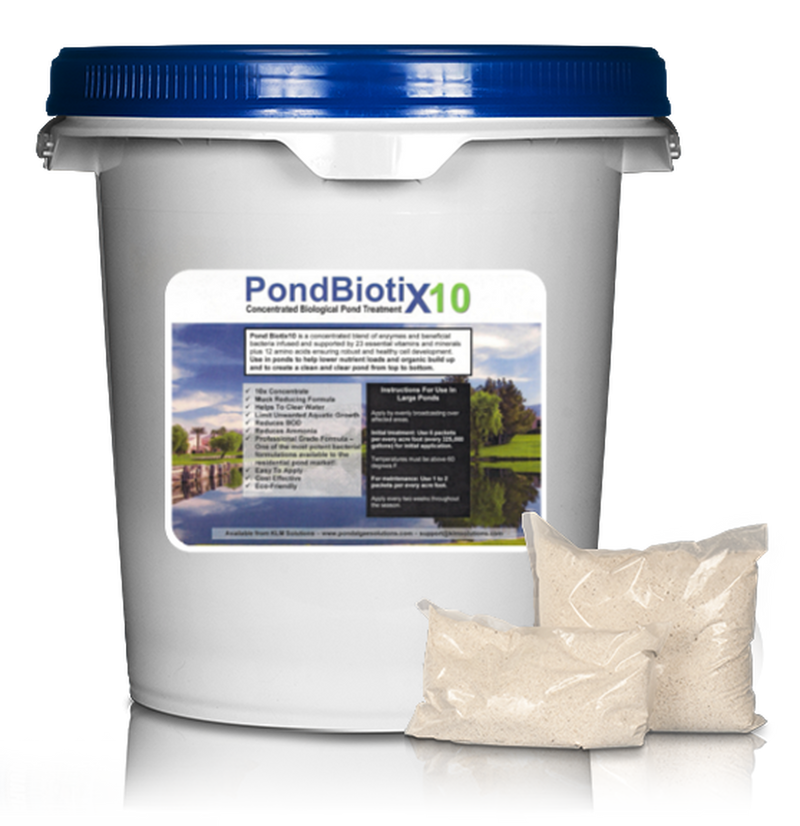
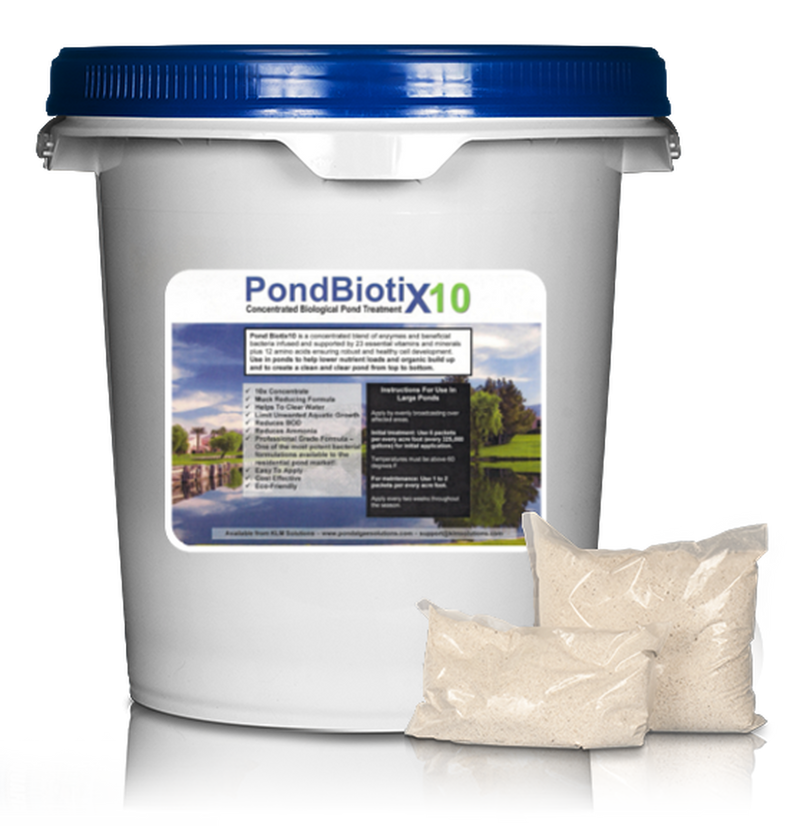
Another advanced technique is the use of bio-augmentation with specific strains of *Bacillus* and *Pseudomonas* bacteria. These "sludge-eating" microbes can be added to the pond to accelerate the decomposition of organic matter. When combined with high DO levels from aeration, these bacteria can reduce muck depth by several inches per season, further removing the organic fuel sources for future blooms.
Scenario: Restoring a 1-Acre Eutrophic Pond
Consider a 1-acre pond with an average depth of 6 feet and a maximum depth of 10 feet. The water is turbid with a Secchi depth (clarity) of only 12 inches, and annual Microcystis blooms are present.
The restoration begins with the installation of a 1/2 HP rocking piston compressor and two dual-disc diffusers. This system provides approximately 3.9 CFM of air, ensuring a turnover rate of 1.5 times per day. Within 30 days of operation, the thermal stratification is eliminated, and bottom DO rises from 0.5 mg/L to 6.2 mg/L.
Following the stabilization of DO levels, a phosphorus binding treatment is applied. Based on a water test showing 150 µg/L of total phosphorus, the manager applies a calculated dose of buffered Alum. The flocculation event clears the water, increasing Secchi depth to 48 inches. Over the next season, the competitive advantage shifts to beneficial diatoms and green algae, and the toxic cyanobacteria fail to reach bloom concentrations due to the lack of available orthophosphate.
Final Thoughts
Remediating toxic algae blooms requires moving beyond the "kill and repeat" cycle of algaecide use. By focusing on the biogeochemical drivers—specifically phosphorus loading and sediment redox potential—it is possible to engineer a pond that resists harmful blooms naturally. The combination of mechanical aeration and chemical nutrient sequestration creates a robust framework for long-term water quality.
Success in pond management is defined by the stability of the ecosystem rather than a single day of clear water. Consistent monitoring of dissolved oxygen, pH, and nutrient concentrations allows managers to make data-driven decisions that prevent blooms before they start. This technical approach ensures the safety of the water for all biological users and reduces the overall labor and financial burden of pond maintenance.
As the pond shifts from a state of nutrient excess to a balanced system, the entire aquatic food web benefits. Practitioners are encouraged to view the pond as a biological processor where oxygen and nutrient management are the primary control levers. Mastery of these variables transforms a liability into a high-performing ecological asset.