

Why New Ponds Turn Green So Fast — And How to Stop It Before It Starts
Nature hates a vacuum. If you don't fill your pond with plants, nature will fill it with algae. It’s the green monster every new owner fears. New ponds have high nutrients and zero competition. Learn how to 'starve' the algae by introducing the right plants and bacteria from day one.
Establishing a new aquatic ecosystem requires more than just water and a pump. It demands a precise understanding of nutrient cycling and biological competition. Without a proactive strategy, the initial nutrient surge in a fresh installation inevitably leads to a massive phytoplankton bloom.
This technical guide examines the mechanical and biological protocols necessary to suppress algae. We will focus on data-driven methods, including nutrient stoichiometry and bacterial colonization rates. Understanding these systems allows for the creation of a stable, self-regulating environment.
Why New Ponds Turn Green So Fast — And How to Stop It Before It Starts
New ponds are essentially high-nutrient voids. Fresh tap water often contains trace nitrates and phosphates, while new liners and stone provide no established biofilm. This lack of biological competition creates an ideal environment for opportunistic algae species to dominate the water column.
Phytoplankton, commonly known as green water, can reproduce exponentially in hours. These single-celled organisms utilize dissolved phosphorus and nitrogen more efficiently than higher-order plants during the initial growth phase. A single pound of phosphorus can support the growth of approximately 500 pounds of algae in an unchecked system.
Stabilizing the system requires the immediate introduction of competing biomass. Aquatic plants and nitrifying bacteria function as a biological "sink," absorbing the available nutrients before algae can utilize them. This process is often referred to as nutrient sequestering or starvation.
Success in a new installation depends on the "Shaded Sanctuary" approach rather than the "Sterile Mirror." A sterile pond relies entirely on mechanical filtration and chemical additives, which often fail during peak thermal loads. A shaded, plant-heavy sanctuary utilizes biological mechanisms to maintain clarity and chemical equilibrium.
Mechanical and Biological Mechanisms of Algae Suppression
Algae suppression is achieved through two primary pathways: competitive exclusion and mechanical disruption. Competitive exclusion involves the use of vascular plants and beneficial bacteria to outcompete algae for nitrogen and phosphorus. Mechanical disruption utilizes technologies like UV-C clarifiers to physically damage the reproductive capabilities of algal cells.
The Role of Nitrifying Bacteria
The nitrogen cycle is the primary mechanical engine of a healthy pond. Two specific genera of bacteria, Nitrosomonas and Nitrobacter, are responsible for converting toxic ammonia into relatively harmless nitrate. Nitrosomonas oxidizes ammonia into nitrite, which is then converted by Nitrobacter into nitrate.
These bacteria are obligate chemolithotrophs, meaning they derive energy from inorganic salts and fix inorganic carbon dioxide. They are largely non-motile and require a surface—such as gravel or synthetic bio-media—to colonize effectively. They secrete a sticky slime matrix to attach themselves to these surfaces, forming a productive biofilm.
Vascular Plant Nutrient Uptake
Higher-order aquatic plants serve as the ultimate nutrient filter. Unlike algae, vascular plants like Lemna minor (duckweed) and Najas grass have complex structures that allow for rapid nutrient absorption. Duckweed has been shown in laboratory settings to recover up to 99% of ammonia in just three days when harvested regularly.
Submerged plants, or oxygenators, compete directly with algae for the same dissolved nutrients. They also provide surface area for nitrifying bacteria to colonize. This dual-functionality makes them an essential component of any biological filtration strategy.
The Benefits of Early Biological Colonization
Seeding a new pond with beneficial bacteria and plants immediately upon filling provides several measurable advantages. Early colonization reduces the "New Pond Syndrome" phase, where ammonia and nitrite levels spike to dangerous concentrations. This proactive approach ensures the water remains safe for fish while preventing the initial algae bloom.
Biological systems offer higher efficiency at lower operational costs compared to purely mechanical systems. Once established, a biological filter requires minimal energy input and provides a self-healing mechanism against nutrient spikes. Plants also provide natural shade, which reduces the thermal energy available for algal photosynthesis.
Maintaining a high volume of beneficial bacteria increases the system's resilience. A mature biofilm can withstand temporary mechanical failures or seasonal changes. This stability is critical for the long-term health of the pond inhabitants and the overall clarity of the water.
Systemic Vulnerabilities and Common Installation Errors
Failures in algae control often stem from a misunderstanding of flow rates and colonization requirements. A common mistake is installing a pump with a flow rate that exceeds the capacity of the biological filter. If the water moves too quickly, the nitrifying bacteria cannot effectively scavenge the nutrients from the water column.
Inadequate surface area is another frequent pitfall. Nitrifying bacteria require massive amounts of surface area to reach a population density capable of handling a significant fish load. Using "smooth" stones instead of porous bio-media significantly limits the potential bacterial population, leading to chronic ammonia spikes.
Neglecting oxygen levels can also cripple the nitrogen cycle. Nitrifying bacteria are aerobic and require high dissolved oxygen (DO) levels to function. Nitrification rates drop significantly if DO levels fall below 2.0 mg/L. In many new ponds, the lack of aeration results in "dead zones" where bacteria cannot survive.
Improper UV-C clarifier placement is a mechanical error that many owners commit. Placing a UV unit before mechanical filtration allows debris to shield algae cells from the light. This reduces the effective "kill rate" and forces the bulb to work harder, shortening its operational lifespan.
Technical Constraints and Environmental Limitations
Biological systems are highly dependent on temperature and pH. Nitrification is most efficient at a pH range of 7.5 to 8.2. If the pH drops below 6.5, Nitrosomonas growth is inhibited, causing ammonia to accumulate. Cold water also slows the reproductive rate of bacteria; anything below 10°C (50°F) essentially halts the nitrogen cycle.
Phosphorus levels are often the limiting factor in freshwater ecosystems. While nitrogen is easily cycled into gas and released, phosphorus remains in the system until it is physically removed. This means that even with perfect nitrogen management, high phosphorus levels from runoff or tap water can still trigger filamentous algae (string algae) growth.
UV-C clarifiers have a maximum effective flow rate. If the water passes through the chamber too fast, the UV dose (measured in microwatt-seconds) will be insufficient to damage the algae's DNA. These units are effective for green water (phytoplankton) but do nothing to control blanket weed or string algae, which grow on surfaces rather than floating in the water.
Strategic Comparison: Passive Filtration vs. High-Load Biological Systems
Choosing between a passive system and a high-load biological system depends on the intended fish load and maintenance budget. Passive systems rely on large volumes of water and low stocking densities to maintain balance. High-load systems utilize specialized media and aggressive aeration to support intensive biological activity.
| Feature | Passive Filtration | High-Load Biological System |
|---|---|---|
| Complexity | Low - Relies on natural processes | High - Requires pumps/aerators |
| Maintenance | Minimal seasonal pruning | Monthly filter cleaning |
| Nutrient Uptake | Moderate | Very High |
| Stocking Capacity | Low (Few or no fish) | High (Koi or goldfish) |
| Resilience | High (Buffer capacity) | Moderate (Depends on power) |
Most residential ponds fall somewhere in between these two categories. However, for a new pond, leaning toward the high-load biological approach (more plants and more bacteria than theoretically needed) provides a "safety buffer" against the initial nutrient surge.
Practical Tips for Immediate Algae Suppression
Apply the "Rule of Thirds" for plant coverage. At least one-third of the pond's surface should be covered by floating or lily-like plants to block sunlight and absorb nutrients. This physical barrier is the most effective way to prevent the water from reaching the high temperatures that favor algae growth.
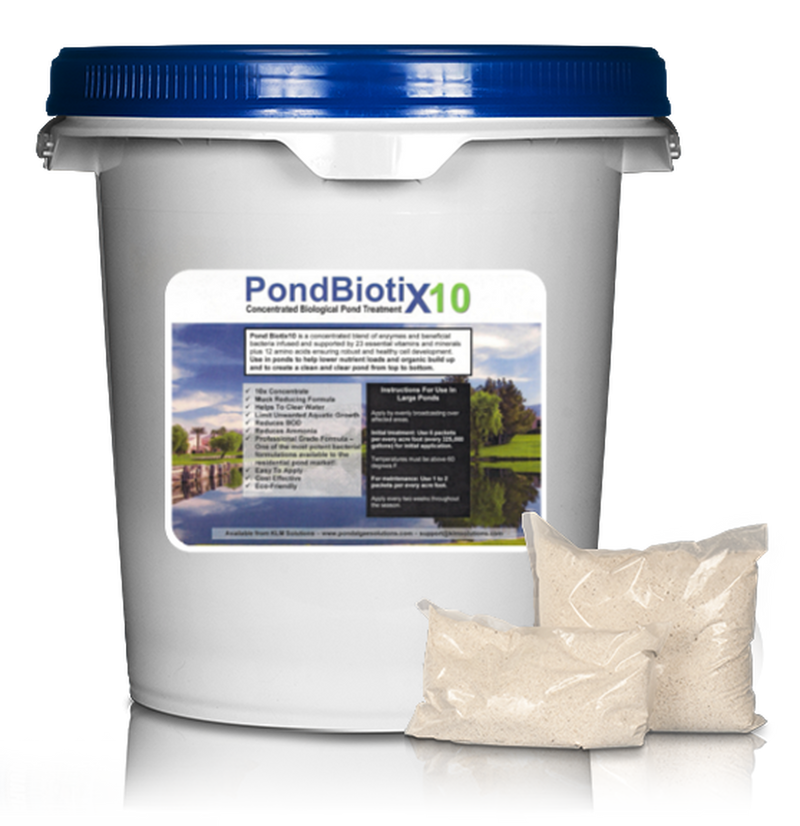
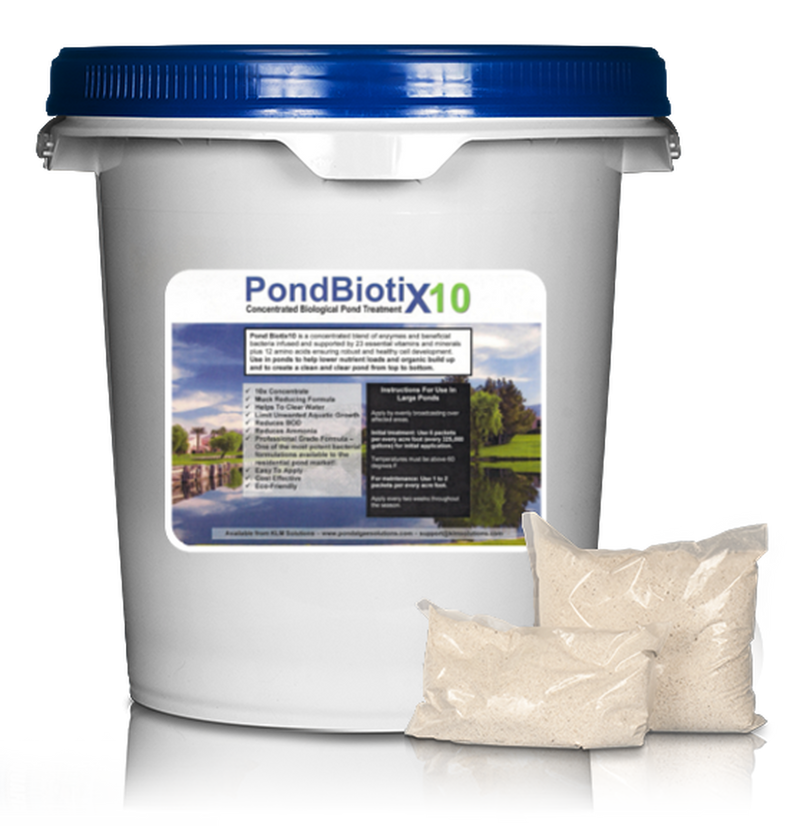
Introduce a bacterial "starter" culture during the first fill. While bacteria will eventually colonize naturally, liquid or powdered concentrates accelerate the process by weeks. This is particularly important if you plan to add fish within the first month of operation.
Test the water frequently during the first 60 days. Focus on Ammonia, Nitrite, and Nitrate. Ammonia and Nitrite levels should always trend toward zero. If you see a spike, reduce feeding and increase aeration immediately. Monitoring these metrics allows you to see the nitrogen cycle "kicking in" in real-time.
Install a mechanical pre-filter, such as a skimmer or sieve. Removing large organic debris before it breaks down reduces the total nutrient load on the biological filter. This preventative step makes the work of the bacteria and plants significantly easier.
Advanced Nitrogen Cycle Management and Chemical Ratios
Serious practitioners monitor the N:P ratio, also known as the Redfield Ratio. The optimal molar ratio for aquatic ecosystems is approximately 16:1 (Nitrogen to Phosphorus). If the ratio shifts significantly toward phosphorus (lower than 10:1), the system becomes vulnerable to cyanobacteria (blue-green algae), which can fix nitrogen from the atmosphere.
Controlling the N:P ratio involves managing both inputs and exports. Nitrogen can be removed via denitrification (conversion to gas) or plant uptake, but phosphorus must be removed by harvesting plant biomass or using chemical binders like lanthanum-modified clay. Harvesting duckweed or thinning out oxygenators physically removes the phosphorus from the system permanently.
Dissolved Oxygen (DO) management is a critical efficiency metric. At 25°C (77°F), water holds significantly less oxygen than at 15°C (59°F). Because nitrification is an oxygen-intensive process—consuming approximately 4.3 mg of O2 for every 1 mg of ammonia oxidized—active aeration is non-negotiable in warm weather.
Quantitative Case Study: Standard Pond vs. Plant-Optimized System
Consider two identical 1,000-gallon ponds filled with the same tap water containing 1.0 mg/L of nitrate and 0.2 mg/L of phosphate. Pond A has a standard mechanical filter and no plants. Pond B has the same filter plus a 10% surface coverage of Lemna minor and five bunches of Najas grass.
In Pond A, the lack of competition allows phytoplankton to double every 12 hours. Within seven days, the water clarity (measured by Secchi disk) drops from 4 feet to 6 inches. The nitrate levels remain high as there is no biological sink to remove the end products of the nitrogen cycle.
In Pond B, the Najas grass begins absorbing nitrate at a rate of 5-10 mg per day per bunch. The duckweed reproduces, doubling its biomass every 48 hours and sequestering phosphate into its tissues. By day seven, the nitrate level has dropped by 40%, and the water remains clear because the available phosphorus was consumed by the vascular plants before the algae could colonize.
Data from these scenarios confirms that the presence of even a small amount of "higher" plant life significantly alters the nutrient availability. This mechanical "starvation" of the algae is more effective than any algaecide because it addresses the root cause rather than the symptoms.
Final System Summary
Controlling algae in a new pond is a matter of managing the biological vacuum. By filling the system with beneficial bacteria and aquatic plants from the first day, you deny algae the nutrients and light required for a bloom. This technical approach focuses on efficiency and biological competition rather than reactive chemical treatments.
Successful management requires ongoing monitoring of the nitrogen cycle and the physical removal of excess nutrients through plant harvesting. Maintaining high dissolved oxygen levels and ensuring adequate surface area for bacterial colonization are the mechanical pillars of a clear pond. These steps ensure that the ecosystem remains stable through seasonal transitions and varying waste loads.
Aspiring pond owners should experiment with different plant species and monitor their specific uptake rates. Every pond has a unique chemical signature, and fine-tuning the biological balance is a continuous process of optimization. Applying these principles transforms a high-maintenance water feature into a thriving, self-regulating sanctuary.