

Why Does Algae Come Back Every Year? Breaking the Cycle for Good
Are you treating symptoms or building a legacy? Every spring it’s the same battle. Why? Because you’re using temporary fixes for a systemic problem. Learn how to build a legacy pond that cleans itself.
Pond management often fails because the approach is reactionary rather than proactive. Most owners view algae as an invader to be killed, rather than a biological indicator of excess nutrient loading. A legacy pond shifts the focus from chemical intervention to mechanical and biological optimization.
Every ecosystem operates on a set of rigid physical and chemical parameters. When these parameters are ignored, the system compensates by producing fast-growing organisms like filamentous algae to consume the surplus. This guide provides the technical framework required to engineer a self-sustaining aquatic environment.
Focusing on long-term stability requires understanding the nitrogen cycle and phosphate sequestration. This technical deep dive explores the metrics of biological filtration, the physics of hydraulic turnover, and the mechanical requirements of a legacy ecosystem. No emotional fluff is included; only data-driven strategies for pond optimization.
Why Does Algae Come Back Every Year? Breaking the Cycle for Good
Algae persistence is a symptom of a broken nutrient cycle. In most ponds, nitrogen and phosphorus enter the system via fish waste, decaying organic matter, and atmospheric deposition. If the biological filter cannot process these inputs, algae will proliferate to fill the niche.
Nitrogen exists in several forms within a pond: ammonia, nitrite, and nitrate. Ammonia is the most toxic to fish, with even low levels causing gill damage. Nitrite follows, which can cause "brown blood disease" in fish by inhibiting oxygen transport. Nitrate is the final product and serves as a primary fuel source for algae.
Phosphate is another critical factor in the cycle. Concentrations as low as 0.01 mg/L can stimulate significant algal growth. Unlike nitrogen, which can be released into the atmosphere via denitrification, phosphorus typically remains in the system, accumulating in the sludge at the pond bottom. This creates a recursive loop where seasonal warming releases trapped nutrients back into the water column.
Breaking this cycle requires a "legacy" approach. This means building a system with sufficient biological surface area and mechanical pre-filtration to ensure nutrients are captured and converted before they become bioavailable to algae. It moves the pond from a state of eutrophication to a state of oligotrophic stability.
The Mechanics of Ecosystem Filtration
An ecosystem pond relies on five specific components working in synchronicity: mechanical filtration, biological filtration, aquatic plants, fish, and rocks/gravel. Each component plays a discrete role in maintaining the stoichiometric balance of the water.
Mechanical filtration usually takes the form of a skimmer. Its primary function is to remove surface debris before it sinks and begins the decomposition process. This reduces the total biological oxygen demand (BOD) on the system. High-efficiency skimmers can capture up to 90% of wind-blown debris, significantly lowering the nutrient input.
Biological filtration provides the surface area necessary for nitrifying bacteria to colonize. These bacteria, primarily Nitrosomonas and Nitrobacter, perform the chemical conversion of ammonia to nitrate. The efficiency of this process is directly proportional to the Specific Surface Area (SSA) of the filter media. Higher SSA allows for more robust bacterial colonies in a smaller footprint.
Aquatic plants act as the "nutrient sink" for the nitrates produced by the biofilter. Floating, submerged, and marginal plants compete directly with algae for resources. A well-planted pond can effectively strip the water of nitrates and phosphates, leaving little for opportunistic algae to consume.
Technical Implementation: Engineering the Nitrogen Sink
Engineering a legacy pond requires precise calculations regarding volume and flow. The standard turnover rate for a balanced ecosystem is once per hour. For a 3,000-gallon pond, the pump must be capable of moving 3,000 gallons per hour (GPH) after accounting for head pressure and friction loss in the plumbing.
Sub-surface aeration is equally critical. Dissolved oxygen (DO) levels should ideally remain between 5 and 10 ppm. Oxygen is the fuel for aerobic bacteria; if DO levels drop below 3 ppm, the nitrification process slows significantly, and anaerobic decomposition begins. This leads to the production of hydrogen sulfide and other toxic gasses.
Constructed wetland filters represent the pinnacle of biological engineering. These up-flow systems force water through graduated layers of gravel and the root systems of marginal plants. A typical wetland filter should occupy 15% to 30% of the pond’s total surface area to ensure maximum nutrient contact time. The slow velocity through the gravel bed allows for both mechanical settlement and biological uptake.
Gravel sizing in a wetland filter is non-negotiable. Large 3-inch stones at the bottom provide space for water distribution, while 1/2-inch to 3/4-inch gravel at the top offers the highest SSA for bacterial colonization. Regular maintenance involves "back-flushing" or using a clean-out snorkel to remove accumulated sediment from the bottom of the filter bed.
Measurable Benefits of Legacy Ecosystems
Stability is the primary measurable benefit of a legacy pond. In a chemically treated pond, water parameters like pH and ammonia often swing wildly following an algaecide application. An ecosystem pond maintains a steady state, with the biological load adapting naturally to seasonal changes.
Maintenance labor is significantly reduced over the long term. While the initial engineering and construction phase is more intensive, the operational requirements are minimal. Owners only need to empty skimmer baskets and perform seasonal plant thinning. This contrasts with the weekly dosing and monitoring required by chemical-heavy systems.
Water clarity is achieved through biological competition rather than sterilization. UV-C clarifiers can provide "gin-clear" water by killing floating algae, but they do not address the underlying nutrient problem. A legacy pond achieves clarity because the nutrients have been sequestered into the biomass of plants and beneficial bacteria, leaving the water column impoverished for algae.
Fish health is noticeably better in ecosystem ponds. Constant biological filtration ensures that toxic ammonia and nitrite remain at zero ppm. Higher dissolved oxygen levels and a lack of harsh chemical irritants contribute to stronger immune systems and faster growth rates in species like Koi and Goldfish.
Engineering Pitfalls and Common Failures
Undersized filtration is the most frequent cause of system failure. Many off-the-shelf filters are rated based on "decorative" ponds with no fish. Adding even a small number of fish increases the nutrient load exponentially. For a legacy pond, the biofilter should be sized for 1.5 to 2 times the actual water volume.
Inadequate oxygenation often leads to "summer kills." As water temperature increases, its ability to hold dissolved oxygen decreases. Simultaneously, the metabolic rate of fish and the activity of bacteria increase, raising the oxygen demand. Failing to provide supplemental aeration during heatwaves can cause the system to crash as aerobic bacteria die off and ammonia levels spike.
Dead zones in the pond's hydraulics allow sludge to accumulate. If water is not circulating through every area of the pond, anaerobic pockets will form. These pockets harbor pathogenic bacteria and release nutrients back into the water. Proper placement of return jets and aerators is essential to ensure a "total mix" environment.
Over-cleaning the biological filter is a common mistake made by beginners. Scrubbing filter mats or gravel with chlorinated tap water kills the established bacterial colonies. This resets the nitrogen cycle, leading to "new pond syndrome" where ammonia and nitrite levels become dangerously high. Filters should only be rinsed with pond water and only when flow is visibly restricted.
Systemic Limitations and Environmental Boundaries
Climate plays a significant role in the performance of a legacy pond. In colder regions, the nitrification process slows as temperatures drop below 50°F (10°C). While the fish enter torpor, the pond's ability to process waste is reduced. Owners must adjust feeding schedules to prevent the accumulation of undigested organic matter during these periods.
Source water quality can introduce unforeseen challenges. If the tap water used to fill the pond is high in phosphates or nitrates, the ecosystem will start with a nutrient surplus. In such cases, pre-treating the water with a phosphate binder or using a specialized hose filter may be necessary to prevent an immediate algae bloom.
High fish stocking densities can overwhelm even the best-designed ecosystem. There is a maximum "carrying capacity" for any biological system. Exceeding this limit leads to a buildup of nitrates that even the most robust plant population cannot absorb. Strict adherence to stocking guidelines—usually one inch of fish per ten gallons of water—is required for long-term balance.
Comparative Analysis: Ecosystem Balance vs. Chemical Intervention
The following table illustrates the technical differences between the two management styles. It compares long-term costs, stability metrics, and system requirements.
| Metric | Temporary Algaecide Fix | Legacy Ecosystem Balance |
|---|---|---|
| Primary Mechanism | Chemical Oxidation/Sterilization | Biological Sequestration |
| Initial Cost | Low | High |
| Maintenance Frequency | Weekly/Bi-weekly | Seasonal |
| Long-term Stability | Low (Cyclical spikes) | High (Steady state) |
| Oxygen Levels | Risk of depletion during decay | Consistently high via aeration |
| Water Quality | Chemically altered | Biologically pure |
Chemical intervention creates a "boom and bust" cycle. When algaecide kills a bloom, the dead organic matter sinks to the bottom and decays. This decay consumes oxygen and releases the very nutrients that fueled the original bloom. This essentially fertilizes the next generation of algae, necessitating another chemical application.
Legacy systems avoid this cycle by never allowing the nutrient surplus to reach a critical mass. The nutrients are continuously pulled from the water by bacteria and plants. This creates a linear flow of nutrients from the water into harvestable biomass (excess plants), rather than a circular loop of growth and death within the pond.
Optimization Protocols and Best Practices
Phosphate management is the "secret weapon" for achieving water clarity. In addition to biological filtration, adding a layer of specialized phosphate-absorbing media to the filter can prevent blooms during the spring transition. This media should be replaced once it reaches its saturation point.
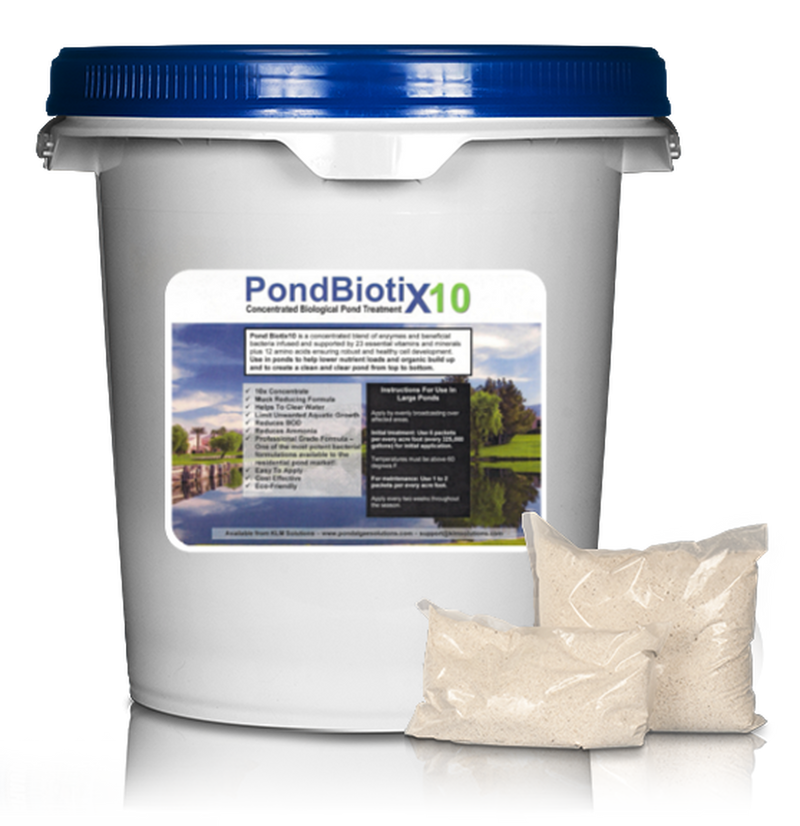
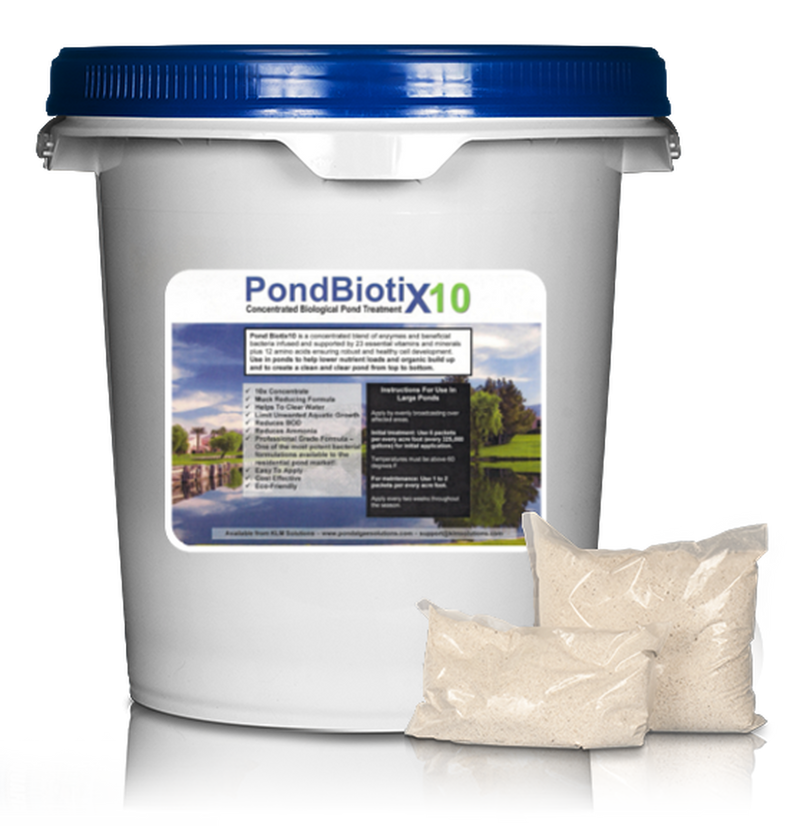
Beneficial bacteria supplementation helps "seed" the system after winter or heavy rain. Using high-concentrate liquid or dry bacteria ensures that the Nitrosomonas and Nitrobacter populations remain dominant. This prevents opportunistic "bad" bacteria from taking over during periods of environmental stress.
Proper plant selection is vital for nutrient uptake. Fast-growing marginals like Pickerel Rush, Water Iris, and Canna Lilies are far more efficient at stripping nitrates than slow-growing ornamentals. A diverse mix of species ensures that nutrient uptake remains consistent throughout the different stages of the growing season.
Substrate management is often debated, but a layer of river rock and gravel on the pond bottom provides massive surface area for colonization. This acts as a giant biological filter. However, this only works if the pond has enough circulation to prevent "muck" from clogging the gravel. If circulation is low, a bare-liner bottom may be preferable to allow for easier manual cleaning.
Advanced Hydro-Logic Considerations
Serious practitioners monitor the Redox potential (ORP) of their ponds. ORP measures the "cleansing power" of the water—specifically its ability to oxidize organic waste. A healthy ecosystem pond typically maintains an ORP between 250mV and 400mV. Low ORP indicates a high concentration of organic pollutants and a need for better aeration or cleaning.
Total Dissolved Solids (TDS) is another metric to track. While not directly harmful, rising TDS indicates that the pond is becoming "stale." Periodic small water changes (10% per month) help dilute non-biological contaminants and replenish essential minerals that are depleted by fish and plants.
The "Bioload-to-Surface-Area" ratio is the fundamental equation for pond health. Every pound of fish waste requires a specific square footage of bacterial biofilm to process. If you increase the fish load, you must increase the biological surface area. This can be done by adding more gravel to the wetland or upgrading to high-density filter media in the biofalls.
Applied Scenario: 2,500-Gallon Biological Architecture
Consider a 2,500-gallon pond with ten adult Koi. This system requires a minimum turnover of 2,500 GPH. A high-efficiency pump rated at 3,500 GPH at 5 feet of head pressure would be selected to ensure the target flow is maintained through the filtration system.
The filtration architecture includes a surface skimmer and a 50-square-foot up-flow wetland filter. The wetland is constructed with a 12-inch base layer of large cobble for water distribution, followed by 18 inches of 3/4-inch river stone. The top of the filter is densely planted with Water Iris and Creeping Jenny.
An aeration manifold with two 2-inch ceramic diffusers is placed at the deepest point of the pond. This ensures that even during the warmest summer nights, the DO levels do not drop below 6 ppm. The resulting environment stays clear year-round because the nutrient uptake of the wetland exceeds the waste production of the fish.
Monitoring this system reveals ammonia and nitrite levels at zero. Nitrates fluctuate between 5 and 20 ppm during the peak growing season. Algae growth is limited to a thin, healthy "carpet" on the rocks, which the fish graze on. The water remains transparent to the bottom, requiring only minutes of maintenance per week.
Final Thoughts
Building a legacy pond is an exercise in engineering rather than aesthetics. By focusing on the biological and mechanical requirements of the ecosystem, you eliminate the need for the chemical "symptom-treatment" cycle. This results in a more stable, lower-maintenance, and ultimately more successful water feature.
Success is found in the numbers: turnover rates, dissolved oxygen levels, and specific surface area. When these metrics are optimized, the pond becomes a self-correcting system. It gains the ability to handle seasonal fluctuations and biological loads without crashing.
Serious pond owners are encouraged to treat their water features as living laboratories. Monitor your parameters, understand your nutrient inputs, and always prioritize the health of the microbial community. This technical foundation ensures that your pond is not just a seasonal project, but a lasting legacy of clear water and healthy life.