Why Algaecides Can Make Algae Problems Worse Over Time
The 'quick kill' is often a 'slow death' for pond health. Are you feeding future algae? When you kill algae with chemicals, it doesn't disappear—it sinks. That rotting mass becomes the fertilizer for the next bloom, creating a vicious cycle of dependency. Break the legacy.
Understanding the mechanics of a pond ecosystem requires viewing the water body as a biogeochemical processor. When a bloom is treated with a chemical algaecide, the immediate visual result is water clarity; however, the mechanical reality is the sudden conversion of living biomass into a highly concentrated load of dissolved organic matter (DOM). This process initiates a cascade of chemical reactions that often destabilizes the system further.
Maintaining a healthy pond involves managing the nitrogen and phosphorus cycles rather than merely attacking the symptoms of nutrient imbalance. Practitioners must transition from a reactive "kill" mindset to a proactive "nutrient management" strategy to ensure long-term stability and ecological health.
Why Algaecides Can Make Algae Problems Worse Over Time
The use of chemical algaecides, particularly copper-based compounds or fast-acting oxidizers, triggers a phenomenon known as "rebound loading." When algae cells are lysed—mechanically ruptured—by these chemicals, they immediately release their internal stores of nitrogen and phosphorus back into the water column. In many freshwater systems, phosphorus is the limiting nutrient; an increase in its concentration directly correlates to exponential biomass production in the next generation of phytoplankton.
The dead algae do not vanish but sink to the benthos to form a layer of organic sludge. This sludge becomes a repository of "legacy phosphorus." Under normal aerobic conditions, phosphorus is often sequestered in the sediment, bound to iron or aluminum compounds. However, the decomposition of a mass algae kill consumes massive quantities of dissolved oxygen (DO), creating hypoxic or anoxic conditions at the sediment-water interface.
In these low-oxygen environments, the chemical bond between iron and phosphorus breaks. This releases orthophosphate back into the water column—a process called internal loading. Research indicates that internal phosphorus release from sediments can be 3 to 4 times higher than the initial concentrations during the decay phase of a bloom. Consequently, the "quick kill" provides a temporary aesthetic fix while simultaneously fueling a more robust, often more toxic, subsequent bloom.
How the Algae-Nutrient Cycle Operates
The process of nutrient cycling in a treated pond follows a specific, measurable sequence. Understanding these steps allows managers to identify where the mechanical failures in their treatment strategy occur.
The first stage is cellular lysis. Algaecides like copper sulfate work by disrupting the cell membranes of algae. This causes the cell to spill its contents—including chlorophyll, toxins (in the case of cyanobacteria), and nutrients—directly into the surrounding water. This surge in dissolved inorganic phosphorus (DIP) provides immediate fuel for any surviving r-selected species—opportunistic organisms characterized by rapid reproduction rates.
The second stage is microbial decomposition. Aerobic bacteria begin breaking down the sunken biomass. This biological process has a high Biological Oxygen Demand (BOD). In a typical 1-acre pond, a heavy algae die-off can deplete dissolved oxygen levels from a healthy 8 mg/L to a lethal 2 mg/L in less than 48 hours. When oxygen levels drop below this threshold, aerobic microbes die off or become dormant, and anaerobic bacteria take over.
The third stage is the shift in redox potential. Anaerobic decomposition is significantly less efficient than aerobic decomposition and produces toxic byproducts like hydrogen sulfide and methane. More importantly, it lowers the oxidation-reduction (redox) potential of the sediment. A low redox potential triggers the release of sequestered nutrients from the "active layer" of the pond bottom (typically the top 2-4 inches of sediment). This creates a self-perpetuating loop where the pond provides its own fertilizer regardless of external runoff controls.
Benefits of a Biological and Mechanical Approach
Shifting away from chemical dependency toward biological and mechanical stabilization offers measurable improvements in water quality metrics and long-term maintenance costs.
Long-Term Nutrient Sequestration
Mechanical solutions, such as sub-surface aeration or laminar flow inversion, maintain high dissolved oxygen levels at the pond bottom. This keeps the redox potential high, ensuring that phosphorus remains chemically bound to iron and sequestered in the sediment. This effectively "locks" the fuel source away from the algae in the photic zone.
Enhanced Microbial Efficiency
Maintaining an aerobic environment supports populations of beneficial aerobic bacteria and fungi. These organisms are far more efficient at processing organic muck than their anaerobic counterparts. By accelerating the digestion of the sludge layer, these microbes reduce the overall nutrient reservoir available to support future blooms.
Ecosystem Resilience
Biological management fosters a more diverse community of zooplankton and macroinvertebrates. These organisms act as primary consumers of algae, providing a natural check on phytoplankton populations. Unlike chemical treatments, which often kill non-target zooplankton, biological strategies strengthen the food web, making the pond more resilient to nutrient spikes from heavy rain or runoff.
Challenges and Common Mistakes
Implementing a sustainable pond management strategy is not without technical hurdles. Failure to account for specific water chemistry parameters is a frequent cause of system failure.
A common mistake is the "set it and forget it" approach to aeration. Aeration is not a direct algaecide; it is a tool for managing the environment. If the nutrient load is too high, aeration alone may not be sufficient to prevent blooms. Managers must often combine aeration with nutrient-binding agents or biological augmentation to see significant results.
Another frequent pitfall is ignoring the alkalinity of the water when applying supplemental treatments. For example, if a manager chooses to use a copper-based product as a last resort, low alkalinity (below 40 ppm) significantly increases the toxicity of the copper to fish. Conversely, high alkalinity can cause the copper to precipitate out of the water column too quickly to be effective, leading to over-application and the accumulation of toxic heavy metals in the sediment.
Finally, many practitioners underestimate the time required for a biological transition. While a chemical "kill" provides results in 48 hours, biological restoration can take an entire growing season to stabilize. The lack of "instant gratification" often leads managers to revert to chemicals, resetting the cycle of dependency and further damaging the pond's microbial health.
Limitations of Non-Chemical Methods
While biological and mechanical methods are superior for long-term health, they have realistic constraints that must be considered during the planning phase.
In situations involving highly toxic cyanobacteria blooms (Harmful Algal Blooms or HABs), immediate intervention may be required to protect public health or livestock. Biological methods are too slow to neutralize an active toxin release. In these emergency scenarios, a targeted application of an oxidizing algaecide (like sodium percarbonate) may be necessary to break the bloom before toxins reach critical levels.
Environmental factors such as pond depth and surface area also dictate the efficacy of mechanical systems. For example, a 20-foot-deep pond requires a different aeration strategy (diffused air) than a 4-foot-deep pond (surface agitators or fountains). Using the wrong hardware for the specific geometry of the water body will result in dead zones where nutrients continue to accumulate and recycle.
Technical Comparison of Management Strategies
| Metric | Copper Sulfate (Chemical) | Sodium Percarbonate (Oxidizer) | Aeration & Biologicals (Sustainable) |
|---|---|---|---|
| Speed of Action | 24–48 Hours | 24–72 Hours | 2–6 Months (Initial Phase) |
| Nutrient Impact | Releases N & P back into water | Releases N & P back into water | Sequesters and digests N & P |
| Oxygen Impact | Severe Depletion (BOD spike) | Moderate/High Depletion | Increases Dissolved Oxygen |
| Sediment Health | Heavy metal accumulation | Neutral | Reduces sludge/organic muck |
| Long-term Cost | High (Repeated treatments) | High (Repeated treatments) | Lower (Maintenance vs. Chemical) |
Practical Best Practices for Nutrient Management
To break the cycle of chemical dependency, managers should implement the following technical protocols:
- Continuous Aeration: Operate diffused aeration systems 24/7 during the growing season. This ensures that the water column remains destratified and that bottom-level oxygen remains high enough to support aerobic decomposition.
- Phosphorus Inactivation: In ponds with high legacy nutrient loads, use lanthanum-modified clay or aluminum sulfate (alum) to bind reactive phosphorus. This turns the phosphorus into an insoluble solid that cannot be used by algae.
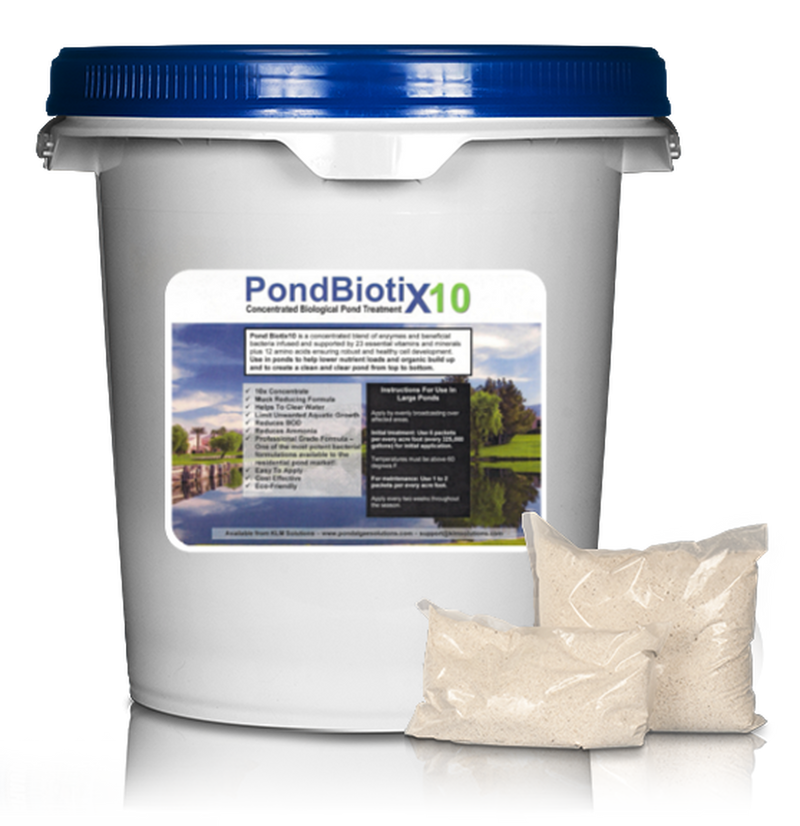
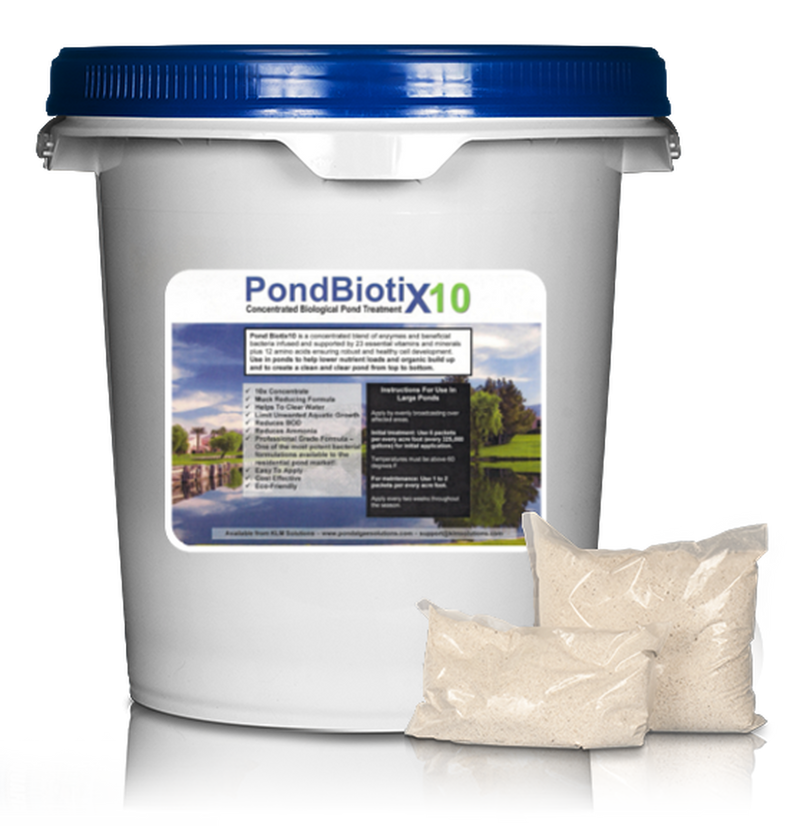
- Biological Augmentation: Introduce high-concentrate microbial blends that specifically target cellulose and lignin breakdown. These microbes compete with algae for available nutrients, effectively "starving" the bloom.
- Vegetative Buffers: Maintain a "no-mow" zone of 10-15 feet around the pond perimeter. Native plants act as a biological filter, capturing nitrogen and phosphorus from terrestrial runoff before it enters the water.
Advanced Considerations: Sediment Redox and Phosphorus Fractionation
Serious practitioners should monitor the fractionation of phosphorus within the sediment. Phosphorus exists in several forms, including iron-bound, aluminum-bound, and organic-bound fractions. The iron-bound fraction is the most volatile and is the primary driver of internal loading during anoxic events.
Managing the sediment-water interface requires an understanding of the "Redox Barrier." In a healthy pond, a thin oxidized layer exists at the surface of the sediment. This layer acts as a chemical seal, preventing nutrients in the deeper, anoxic sediment from diffusing into the water column. When algaecides cause a massive die-off, the resulting BOD spike can consume this oxidized layer in a matter of hours, "opening the gates" for legacy nutrients to flood the system.
Optimization involves maintaining a positive dissolved oxygen concentration (at least 2.0 mg/L) at the deepest point of the pond. This ensures the integrity of the redox barrier and minimizes the flux of nutrients from the benthos to the surface.
Example: Case Study of a 1-Acre Stormwater Pond
Consider a typical 1-acre stormwater pond with an average depth of 6 feet. During a mid-summer heatwave, a bloom of *Microcystis* (blue-green algae) develops. The manager applies 5 lbs of copper sulfate.
Within 48 hours, the algae dies and sinks. The water appears clear. However, water testing reveals that orthophosphate levels have spiked from 15 µg/L to 60 µg/L due to cellular lysis. Four days later, the dissolved oxygen at the bottom drops to 0.5 mg/L. This anoxia triggers the release of an additional 40 µg/L of phosphorus from the sediment.
Ten days after the initial "successful" treatment, the total phosphorus in the water column has reached 100 µg/L—nearly seven times the initial concentration. A secondary bloom of copper-resistant filamentous algae emerges, covering 40% of the surface. The manager is forced to treat again, further increasing the copper load in the sediment and killing the zooplankton that would naturally graze on the algae.
If the manager had instead installed a 1/2 HP diffused aeration system and applied a lanthanum-modified clay, the initial phosphorus would have been sequestered. The aerobic bacteria would have begun digesting the muck layer, and the bloom would have naturally dissipated without the catastrophic nutrient spike and subsequent rebound.
Final Thoughts
The reliance on chemical algaecides as a primary management tool is a strategy based on short-term aesthetics rather than mechanical optimization. By viewing a pond as a closed-loop nutrient processor, it becomes clear that "killing" the biomass without managing the resulting nutrient load is counterproductive. The accumulation of organic muck and the cycle of internal loading are the inevitable results of a reactive management style.
Breaking the legacy of algae blooms requires a fundamental shift toward maintaining high dissolved oxygen levels and supporting the pond's natural biological filtration. While the initial investment in aeration or biological programs may be higher, the long-term reduction in chemical costs and the improvement in water stability provide a superior return on investment.
Managers should prioritize the health of the benthos and the integrity of the nutrient cycle. A stable, aerobic pond is not only more aesthetically pleasing but also a more resilient and self-sustaining ecosystem that resists the fluctuations that lead to nuisance blooms.