

The Water Garden Owner's Guide to Beneficial Bacteria: Dosing, Timing, and What to Expect
Why buy five bottles of chemicals when one scoop of life does it all? If you aren't using beneficial bacteria, you're doing the hard work yourself. These microbes work 24/7 to digest organic waste, clear the water, and keep your fish healthy. Here is the ultimate dosing guide.
The Water Garden Owner's Guide to Beneficial Bacteria: Dosing, Timing, and What to Expect
Beneficial bacteria are the biological engine of any aquatic system. These microorganisms exist to facilitate the nitrogen cycle and decompose organic debris, effectively maintaining the equilibrium between nutrient input and waste removal. In a pond environment, the biological filter acts as a substrate for these colonies to grow and process ammonia, nitrite, and dissolved organic compounds.
Water gardens are often closed systems with high nutrient loads from fish waste, uneaten food, and decaying plant matter. Without a robust microbial population, these nutrients accumulate, leading to toxic ammonia spikes and excessive sludge buildup. Biological augmentation involves the regular introduction of specific bacterial strains to ensure the system’s processing capacity exceeds its waste production rate.
Think of these bacteria as an invisible workforce. While mechanical filters trap physical particles, biological filters provide the surface area where nitrifying and heterotrophic bacteria reside. This microscopic ecosystem is essential for translating theory into a clear, healthy, and stable aquatic environment.
Mechanisms of Action: The Nitrogen Cycle and Sludge Digestion
Nitrification is a two-step biochemical process that converts toxic nitrogenous waste into less harmful substances. This process is driven primarily by chemoautotrophic bacteria, specifically Nitrosomonas and Nitrobacter. These organisms utilize the energy released during the oxidation of nitrogen compounds to synthesize organic matter from inorganic carbon.
Nitrosomonas bacteria oxidize ammonia (NH3) into nitrite (NO2-). This conversion requires significant amounts of dissolved oxygen. Scientific data indicates that the oxidation of 1 mg of ammonia consumes approximately 4.18 to 4.5 mg of oxygen. This oxygen demand is a critical factor in pond design and aeration strategy.
Nitrobacter then oxidizes the resulting nitrite into nitrate (NO3-). Nitrate is significantly less toxic to aquatic life and is typically removed through plant uptake or water changes. In some advanced systems, anaerobic zones facilitate denitrification, where specialized bacteria convert nitrate into inert nitrogen gas (N2), which escapes into the atmosphere.
Heterotrophic bacteria focus on the digestion of sludge and muck, also known as Biochemical Oxygen Demand (BOD) reduction. Strains like Bacillus subtilis secrete extracellular enzymes that break down complex organic polymers—such as cellulose from leaves and proteins from fish waste—into simpler soluble compounds. This enzymatic breakdown prevents the accumulation of anaerobic "dead zones" at the bottom of the pond.
Maximizing Microbial Efficiency: Temperature and pH Parameters
Environmental conditions directly dictate the metabolic rate of beneficial bacteria. Nitrifying bacteria are highly sensitive to fluctuations in water chemistry. Optimization requires maintaining specific parameters to ensure peak performance and rapid colony expansion.
Temperature is the primary driver of bacterial activity. The optimal range for nitrifying bacteria is between 77°F and 86°F (25°C–30°C). Research shows that metabolic efficiency decreases by approximately 50% at 64°F (18°C) and drops by 75% when temperatures reach 50°F (10°C). Below 40°F, most standard nitrifying strains become dormant, requiring the use of specialized psychrophilic (cold-water) strains.
pH levels also exert a strong influence on nitrification. An ideal pH range for these microbes is between 7.5 and 8.5. If the pH falls below 6.8, the nitrification rate significantly slows, and at a pH of 6.0, the process may cease entirely. Maintaining adequate carbonate hardness (alkalinity) is essential, as the nitrification process itself produces hydrogen ions, which naturally lower the pH over time.
Dissolved oxygen (DO) levels must remain high for aerobic bacteria to function. Efficiency begins to drop when DO levels fall below 5.0 mg/L. Aeration systems, such as bottom diffusers or waterfalls, are necessary to support the high oxygen demand of a healthy microbial population, especially during the summer months when warm water holds less oxygen.
Technical Benefits of Biological Augmentation
Consistent dosing of beneficial bacteria provides measurable improvements in water quality metrics. One primary advantage is the reduction of sludge depth and organic sediment. Studies have demonstrated that targeted bacterial applications can reduce pond muck by up to 7 inches over a four-month period without the need for mechanical dredging.
Water clarity is another observable metric influenced by microbial activity. Bacteria compete with phytoplankton (unicellular algae) for limited nutrients such as nitrogen and phosphorus. By sequestering these nutrients within their own biomass, bacteria effectively starve out the algae, leading to higher Secchi disk readings and greater visibility.
Stabilization of ammonia and nitrite levels reduces physiological stress on fish. Chronic exposure to low levels of ammonia impairs gill function and suppresses the immune systems of koi and goldfish. A robust biological filter acts as a buffer against spikes caused by overfeeding or sudden temperature changes, ensuring a safer environment for aquatic livestock.
Challenges and Common Failure Modes
Failures in biological filtration often stem from environmental stressors that kill or inhibit bacterial colonies. Chlorine and chloramines found in municipal water supplies are potent biocides. Even a small water change without a dechlorinator can decimate an established bio-filter, leading to "New Pond Syndrome" and subsequent ammonia spikes.
Ultraviolet (UV) clarifiers represent another common pitfall. UV radiation is designed to kill suspended microorganisms, including the beneficial bacteria you are adding. Newly introduced bacteria are most vulnerable while they are in the water column before they have colonized a surface. Turning off the UV system for 24 to 48 hours after dosing is a mandatory step for successful inoculation.
Over-dosing in a poorly aerated pond can lead to oxygen depletion. Heterotrophic bacteria consume large amounts of oxygen as they digest organic waste. If a massive amount of bacteria is added to a pond with heavy sludge and low aeration, the resulting "bacterial bloom" can consume all available oxygen, leading to fish kills. Proper aeration must always precede aggressive bacterial treatment.
Limitations and Environmental Constraints
Biological treatments are not instantaneous. Unlike chemical flocculants that clear water in hours, bacteria require time to colonize, reproduce, and metabolic processes to take effect. Results are typically measured in weeks rather than days. This lag time makes biological control less ideal for emergency situations where immediate toxicity must be neutralized.
Phosphate saturation can also limit the effectiveness of bacterial nutrient sequestration. In ponds with high phosphate levels (often from runoff or low-quality fish food), bacteria may not be able to process nitrogen fast enough to prevent algae growth. In these cases, supplementary phosphate binders or mechanical nutrient removal may be necessary to support the biological system.
Cold weather remains a significant constraint for standard bacterial products. The metabolic "ceiling" of traditional strains means that once the water temperature drops below 40°F, biological waste processing essentially stops. While cold-water strains exist, their metabolic rate is naturally slower than warm-water counterparts, limiting their ability to handle high waste loads in winter.
The One-Task Chemical vs. The Living Multi-Tool
Chemical interventions are often characterized as "one-task" solutions. An algaecide kills algae but does nothing to remove the resulting dead organic matter. This creates a cycle of dependency where the chemical treatment leads to a spike in BOD and nutrient release, fueling the next algae bloom. This approach is reactive and often destabilizing.
Beneficial bacteria act as a "living multi-tool." They not only compete with algae for nutrients but also actively digest the organic waste that would otherwise fuel future problems. This creates a proactive, self-regulating ecosystem. While the initial cost of biological products may be higher, the long-term efficiency and reduced need for mechanical maintenance often result in lower total operational costs.
| Factor | Chemical Treatment | Biological Augmentation |
|---|---|---|
| Speed of Action | Immediate (12–48 hours) | Gradual (1–4 weeks) |
| Impact on Sludge | Increases (dead biomass) | Decreases (digestion) |
| Long-Term Stability | Low (rebound effect) | High (ecosystem balance) |
| Safety Margin | Narrow (risk of toxicity) | Wide (non-toxic) |
| Oxygen Demand | Moderate | High (during digestion) |
Practical Tips for Effective Dosing
Establishing a successful dosing regimen requires consistency and attention to the pond’s physical layout. Always calculate the total volume of your pond before dosing. Using a flow meter during the initial fill is the most accurate method, but mathematical estimates based on average length, width, and depth (taking into account the pond’s slope) are generally sufficient.
Sequence your dosing for maximum impact. When starting a new pond or opening one in the spring, use an "inoculation dose," which is typically double or triple the maintenance dose. This helps the bacteria quickly establish dominance over the available surface area. Once the nitrogen cycle is stable, transition to weekly maintenance doses to replenish colonies lost to water changes or environmental fluctuations.
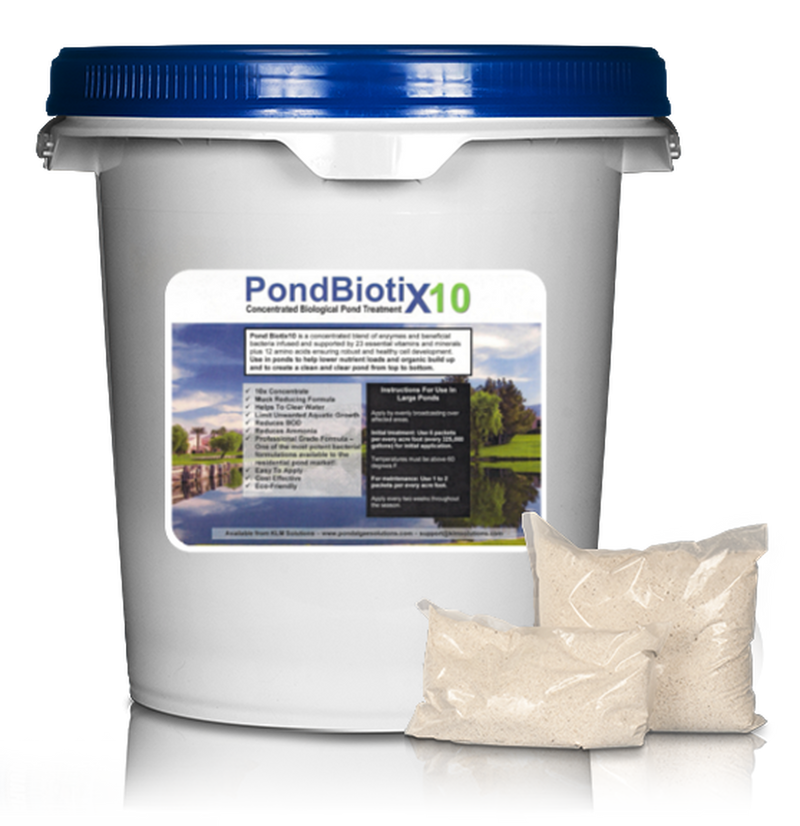
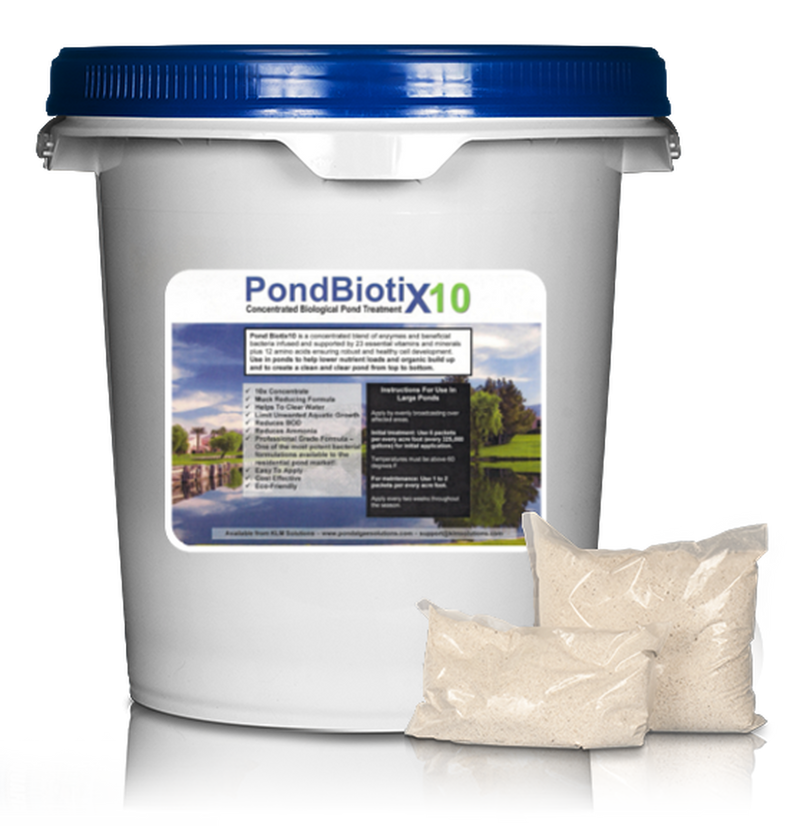
Apply the product near the biological filter intake or in areas of high circulation, such as waterfalls or stream beds. This ensures the bacteria are distributed throughout the system and brought into direct contact with the bio-media where they will reside. If using powdered or tablet-based sludge reducers, place them directly on the areas with the heaviest muck accumulation for targeted digestion.
- Turn off UV clarifiers and ozone generators for at least 24 hours after adding liquid bacteria.
- Maintain a KH (carbonate hardness) level of at least 100 ppm to provide the inorganic carbon needed for nitrification.
- Ensure water temperatures are above 50°F before starting a standard maintenance program.
- Monitor dissolved oxygen levels during the first 48 hours of an aggressive sludge reduction treatment.
Advanced Considerations: Surface Area and Bio-Kinetic Loading
Experienced practitioners should focus on Specific Surface Area (SSA) when sizing biological filters. SSA is the amount of surface area available for bacterial colonization per unit of volume. Media such as K1 or ceramic rings have high SSA ratings (often exceeding 250 ft²/ft³), allowing for more compact and efficient filtration systems.
Calculating the Bio-Kinetic load involves estimating the amount of ammonia produced daily by your fish. A general rule of thumb is that 1 lb of fish fed at 2% of their body weight per day requires approximately 5 square feet of media surface area for basic ammonia oxidation. However, for "crystal clear" water—which requires the removal of dissolved organic compounds—this requirement increases to nearly 100 square feet of surface area per pound of fish.
Flow rate through the bio-filter is also a critical variable. The "contact time" or residence time—the amount of time the water stays in contact with the bacteria—must be sufficient for the microbes to process the nutrients. While faster flow rates bring more oxygen and nutrients to the colonies, excessively high velocity can strip the biofilm from the media, reducing efficiency. Aim for a turnover rate that passes the entire pond volume through the filter every one to two hours.
Dosing Scenarios and Calculations
Consider a 2,500-gallon koi pond with a moderate fish load. To begin a biological maintenance program in the spring, an initial inoculation dose would be required. If the product label specifies 1 ounce per 1,000 gallons for maintenance, the starting dose should be 5 to 7.5 ounces to ensure rapid colonization.
If this same pond develops a heavy layer of organic sludge on the bottom, a targeted heterotrophic treatment is necessary. Dosing with a high-CFU (Colony Forming Unit) tablet would involve placing approximately one tablet per 50 square feet of pond bottom every two weeks. Monitoring ammonia levels is vital during this process, as the rapid breakdown of sludge can temporarily increase the load on the nitrifying bacteria.
In a second scenario, a newly constructed 10,000-gallon water feature with no fish would require a different approach. Without fish waste to provide ammonia, the nitrifying bacteria will have no "food" and will fail to colonize. In this instance, "seeding" the pond with a small amount of ammonium chloride or a few "hardy" starter fish is necessary to kickstart the biological engine before the full dosing schedule begins.
Final Thoughts
Beneficial bacteria represent the most efficient and sustainable method for maintaining water quality in a pond or water garden. By understanding the biochemical requirements of these microorganisms—specifically their need for oxygen, surface area, and stable pH—pond owners can move away from reactive chemical treatments and toward a balanced biological ecosystem. Consistent dosing provides a proactive defense against the accumulation of toxic waste and organic debris.
Success in water gardening is ultimately a matter of managing the microbial population. While mechanical filters provide the infrastructure, it is the bacteria that perform the heavy lifting of nutrient processing and waste digestion. Maintaining these colonies requires a disciplined approach to water chemistry and a clear understanding of the limitations imposed by the environment. Applying these principles ensures that your pond remains a healthy, self-sustaining feature for years to come.