

The Truth About Copper Sulfate For Pond Algae Control
Chemicals provide a quick fix but create a long-term mess. There is a better way to treat your water. Copper sulfate kills algae, but it also kills the life that keeps your pond healthy. This 'synthetic nuke' leads to a cycle of dependency and dead sediment. Discover how natural biological controls create a self-regulating system that doesn't require a hazmat suit.
Moving toward a sustainable aquatic ecosystem requires a shift from reactive chemical dosing to proactive biological management. Conventional pond maintenance often relies on immediate visual results, ignoring the underlying chemical and biological degradation caused by heavy metal applications.
This guide examines the mechanical and chemical realities of using copper sulfate for pond algae control. You will understand the technical limitations of this method and how to transition toward a high-efficiency, biological-first system.
The Truth About Copper Sulfate For Pond Algae Control
Copper sulfate pentahydrate is an inorganic salt that has functioned as a primary algaecide since the early 20th century. It is frequently marketed under names like "Blue Stone" or "Blue Vitriol." Its prevalence stems from a low price point and immediate biocidal action against most species of planktonic and filamentous algae.
In real-world applications, operators broadcast crystals or spray a dissolved solution across the water surface. The copper ions (Cu2+) act as a potent biocide. They penetrate algal cell walls, bind to intracellular proteins, and inhibit the photosynthesis process. This results in a rapid "crash" of the algal population.
However, copper is a non-selective heavy metal. It does not differentiate between target algae and the beneficial microbial communities necessary for nutrient cycling. While the water may clear within 48 to 72 hours, the ecological cost is a systemic reduction in biodiversity and a long-term accumulation of toxic metal in the benthos (pond bottom).
Chemical Mechanisms and Water Chemistry Interactions
Success with copper sulfate depends entirely on water chemistry, specifically total alkalinity. Alkalinity measures the concentration of carbonates and bicarbonates that buffer pH changes. Without measuring these metrics, application is mathematically reckless.
Copper toxicity is inversely proportional to alkalinity. In soft water (alkalinity below 40-50 ppm), copper ions remain highly active and bioavailable. This state is frequently lethal to fish, particularly sensitive species like trout, koi, and fathead minnows. Conversely, in hard water (alkalinity above 200 ppm), copper ions quickly bind with carbonates and precipitate out of the water column as copper carbonate.
Precipitated copper is useless for algae control. It sinks to the bottom, where it adds to the heavy metal load in the sediment. Systems with high alkalinity often require chelated copper formulations—where the copper ion is "wrapped" in an organic molecule—to stay in solution long enough to be effective.
The Role of pH and Temperature
Water temperature must remain above 60°F (15.5°C) for optimal chemical uptake. Algal metabolism slows in cooler water, reducing the effectiveness of the treatment. pH levels also dictate the solubility of the copper. Acidic environments increase the risk of acute toxicity to non-target organisms, while alkaline environments accelerate the precipitation of the metal.
Application Procedures for Mechanical Efficiency
Applying copper sulfate requires precise calculation of water volume in acre-feet. One acre-foot equals 325,851 gallons. Standard application rates for copper sulfate pentahydrate typically range from 0.6 lbs to 2.7 lbs per acre-foot, depending on the target species and alkalinity levels.
EPA Regulatory Constraints
Environmental Protection Agency (EPA) labels dictate the legal framework for application. The maximum allowable concentration is generally 4 ppm of copper sulfate (equivalent to 1 ppm of metallic copper). Minimum retreatment intervals are set at 14 days to prevent cumulative toxic shock to the ecosystem.
Strategic Spot Treatment
Treating an entire pond at once is a high-risk maneuver. Rapid algae death leads to massive decomposition. This process consumes dissolved oxygen (DO) at an exponential rate. An oxygen crash is the most common cause of fish kills following a copper treatment.
Professional operators treat only 1/3 to 1/2 of the pond surface at a time. This creates a safety buffer. Fish can move into the untreated, oxygen-rich zones while the treated section decomposes. Maintaining mechanical aeration during and after treatment is a non-negotiable requirement for system stability.
Benefits of Copper-Based Treatments
The primary advantage of copper sulfate is its low upfront cost. For large-scale agricultural or industrial impoundments, it provides a cheap method to clear intake screens and prevent "off-flavor" in aquaculture produced by certain cyanobacteria.
Immediate results are another factor. When an algal bloom threatens to clog irrigation pumps or cooling systems, the fast-acting nature of copper sulfate provides a mechanical relief that biological methods cannot match in the short term. It also serves as a secondary treatment for certain external fish parasites, such as Ichthyophthirius multifiliis (Ich).
Challenges and Systemic Failures
The most significant challenge is the "Algae Rebound Loop." When copper kills algae, the cells rupture and release stored phosphorus back into the water. Because copper also kills the beneficial bacteria that would normally consume this phosphorus, the nutrient load increases.
This high-nutrient environment, combined with increased light penetration in clear water, triggers a second, more aggressive bloom. Operators then apply more copper, further sterilizing the pond. This cycle creates a dependency where the pond cannot regulate itself without chemical intervention.
The Sterile Bottom Effect
Repeated use leads to copper accumulation in the muck. This creates a "sterile bottom" where macroinvertebrates and benthic bacteria cannot survive. These organisms are the backbone of the pond's "waste management" system. Without them, organic matter (muck) builds up rapidly, reducing pond depth and further increasing nutrient availability.
Limitations of Chemical Algaecides
Copper sulfate is ineffective against many types of "higher" aquatic plants and macro-algae like Chara or Nitella. It also fails to address the root cause of the problem: nutrient loading. If nitrogen and phosphorus levels remain high, algae will always return.
Environmental limitations are also significant. Copper does not biodegrade. Once introduced, it remains in the system indefinitely unless the sediment is physically dredged. This makes it a poor choice for ponds used for livestock watering (especially sheep, which have a very low copper tolerance) or for waterbodies that discharge into sensitive wetlands.
Comparison: Copper Sulfate vs. Natural Biological Systems
The following table compares the efficiency and long-term impact of chemical vs. biological management.
| Metric | Copper Sulfate | Natural Bio-Balance |
|---|---|---|
| Response Time | 24–72 Hours | 2–6 Months (Gradual) |
| Long-term Cost | High (Recurring) | Low (Self-Sustaining) |
| System Health | Degrading (Sterilization) | Improving (Biodiversity) |
| Muck Management | Increases accumulation | Actively digests organic matter |
| Maintenance | Manual/Chemical Heavy | Mechanical (Aeration focus) |
Transitioning to Natural Biological Controls
Shifting away from the "synthetic nuke" approach requires a three-pillar strategy: nutrient limitation, mechanical aeration, and microbial augmentation.
Nutrient Limitation (The Starvation Phase)
Algae thrive on phosphorus and nitrogen. Reducing these inputs is the first step. Establishing a "buffer zone" of native emergent plants around the pond perimeter can trap up to 80% of runoff nutrients before they enter the water.
Subsurface Aeration (The Engine)
Installing a bottom-diffused aeration system is the most effective mechanical upgrade for any pond. By circulating water from the bottom to the surface, the system eliminates thermal stratification. This oxygenates the sediment, allowing aerobic bacteria to thrive and digest muck. High DO levels also bind phosphorus to iron in the sediment, making it unavailable for algae growth.
Microbial Augmentation (The Cleanup Crew)
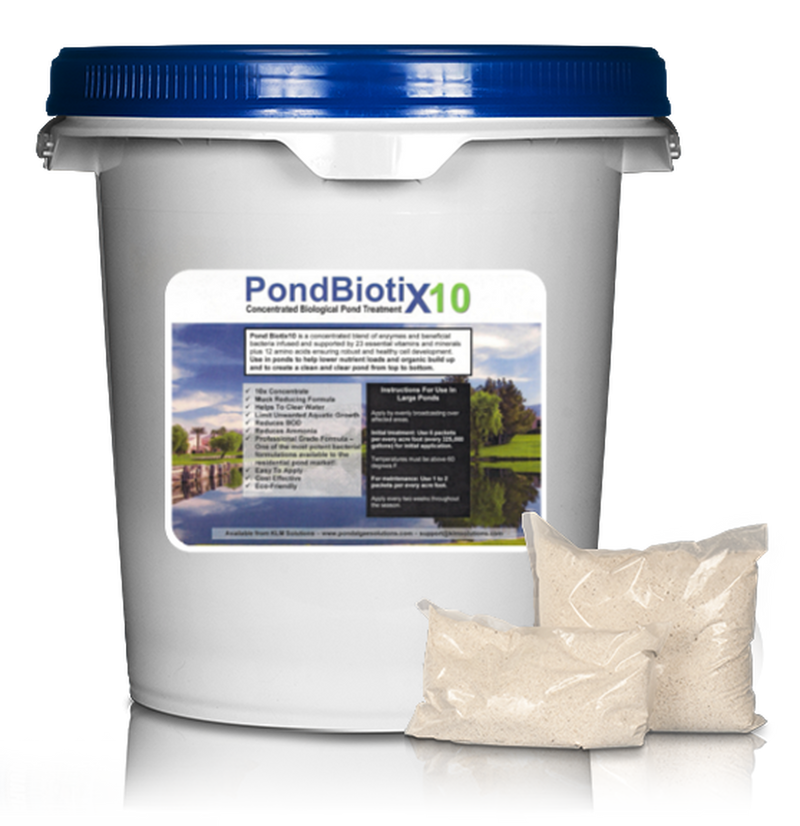
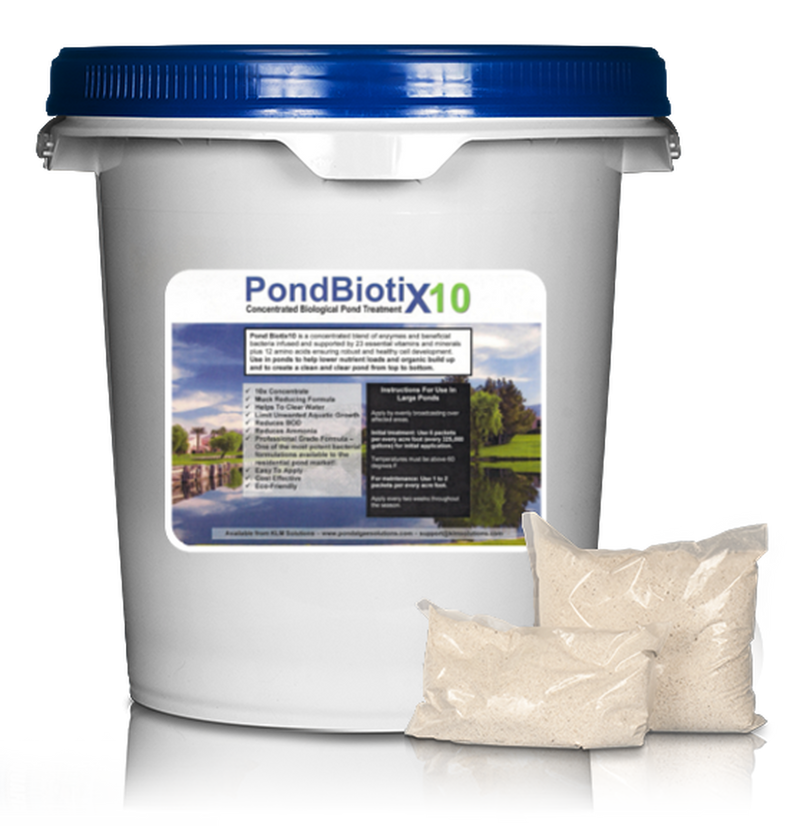
Introducing high-concentrate beneficial bacteria (Bacillus and Pseudomonas strains) accelerates the breakdown of organic sludge. These microbes outcompete algae for available nutrients. Unlike copper, these biological agents are completely safe for fish, wildlife, and human contact.
Advanced Considerations for Serious Practitioners
Experienced managers often utilize ultrasonic algae control technology. These devices emit specific sound frequencies that disrupt the gas vesicles in cyanobacteria, causing them to sink and die without the release of heavy metals. This method is highly effective for maintaining clear water in large reservoirs where chemical dosing is logistically difficult.
Phytoplankton management is another advanced technique. By inoculating a pond with beneficial green algae (like Chlorella), you can prevent the growth of toxic blue-green algae. The green algae provide a foundation for the food web, feeding zooplankton that in turn feed fish. This creates a "bottom-up" ecological pressure that naturally suppresses harmful blooms.
Scenario: Rehabilitating a Chemical-Dependent Pond
A 1-acre farm pond has been treated with copper sulfate for 10 years. It has 2 feet of black, anaerobic muck and constant "pea soup" water.
First, the operator ceases all copper applications. A subsurface aeration system is installed to provide 24/7 vertical mixing.
Second, the operator introduces an initial "shock" dose of muck-digesting bacteria.
Within the first 60 days, the water clarity may actually decrease as the aeration system stirs up old nutrients. However, as the aerobic bacteria establish themselves, the muck layer begins to compress.
By the end of the first season, the dissolved oxygen levels remain stable, and the algae blooms are replaced by a healthy, transparent water column. The reliance on chemical "nukes" is replaced by a mechanical system that costs pennies a day to operate.
Final Thoughts
The use of copper sulfate for pond algae control is a legacy technique that offers short-term relief at the expense of long-term ecological viability. While it remains a tool for specific emergency situations, it should never be the primary management strategy for a healthy pond.
True pond management focuses on the underlying causes of algae: stagnant water and nutrient overload. By implementing mechanical aeration and biological augmentation, you create a system that is resilient, biodiverse, and self-regulating.
Experimenting with biological controls requires more patience than a chemical application, but the results are a permanent solution rather than a temporary mask. Move beyond the hazmat suit and build an ecosystem that works with nature, not against it.