

The Root Cause of Pond Algae: Nutrients, Not Just Sunlight
Sunlight is the spark, but nutrients are the fuel. Is your pond wide open to an algae fire? You can't turn off the sun, but you can stop feeding the beast. If your pond is exposed to runoff and lawn fertilizers, you're essentially 'over-fueling' an algae bloom every single day.
Effective pond management requires a shift from reactive chemical treatments to proactive nutrient stabilization. Understanding the mechanical and chemical drivers of eutrophication allows for the implementation of systems that maintain water clarity through resource limitation rather than perpetual algaecide application. This article examines the technical frameworks for managing nitrogen and phosphorus to suppress nuisance growth.
The Root Cause of Pond Algae: Nutrients, Not Just Sunlight
Nutrient loading is the primary driver of pond degradation and excessive algae growth. In aquatic ecosystems, algae require a specific ratio of chemical elements to synthesize biomass. While sunlight provides the energy for photosynthesis, the rate of growth is restricted by the availability of the "limiting nutrient," which is typically phosphorus in freshwater environments.
Phosphorus acts as a high-octane fuel for primary production. Technical data indicates that a single pound of phosphorus can support the growth of approximately 500 pounds of wet algae. This exponential relationship means that even minute increases in nutrient concentration can lead to massive shifts in water quality. Nitrogen also plays a significant role, particularly in the proliferation of cyanobacteria (blue-green algae), which can fix atmospheric nitrogen when waterborne levels are depleted.
Real-world scenarios often involve "cultural eutrophication," where human activities accelerate the natural aging process of a pond. This occurs when fertilizers from residential lawns, agricultural runoff, or organic debris from surrounding landscapes enter the water column. Once these nutrients are present, they cycle between the water and the bottom sediment, creating a self-sustaining loop of algae blooms that persist even after external sources are curtailed.
The Stoichiometry of Algae: Nitrogen vs. Phosphorus
Analyzing the chemical makeup of an algae bloom reveals why phosphorus management is the most effective lever for control. Freshwater systems typically operate under the Redfield Ratio principles, which describe the optimal atomic ratio of Carbon, Nitrogen, and Phosphorus (106:16:1) for phytoplankton.
Phosphorus is the most manageable of these variables. Nitrogen is abundant in the atmosphere and can be introduced via rain or biological fixation. Phosphorus, however, is almost entirely terrestrial. It enters the pond through soil erosion and runoff. Controlling phosphorus effectively "starves" the algae, preventing the bloom from reaching a critical mass, regardless of how much sunlight or nitrogen is available.
Technical monitoring often utilizes the Secchi disk to measure water clarity as a proxy for nutrient density. A Secchi depth between 18 and 24 inches indicates a healthy, balanced phytoplankton population. Readings lower than 12 inches suggest a state of over-fertilization, where the nutrient load has exceeded the system's natural processing capacity, leading to a high risk of anoxia and subsequent fish kills.
Exposed Inflow vs. Sheltered Systems: Understanding Hydrologic Architecture
The physical layout of a pond's drainage area significantly impacts its nutrient profile. An Exposed Inflow system is characterized by direct, high-velocity conduits of runoff, such as storm pipes, culverts, or steeply graded lawns that lead directly to the water's edge. These systems suffer from high "flashiness," meaning they receive massive surges of dissolved reactive phosphorus (DRP) during rain events.
Sheltered Systems utilize hydrologic controls to mitigate this influx. A sheltered pond might feature a winding inflow path, a settling basin, or a "forebay" designed to catch heavy sediments before they enter the main body of water. Sheltering also refers to wind protection; while wind helps with surface oxygenation, excessive wind can stir up bottom sediments in shallow ponds, re-suspending "legacy phosphorus" into the water column where it becomes bioavailable for algae.
Comparison of these two architectures reveals that Exposed Inflow systems require significantly higher maintenance budgets for chemical remediation. Sheltered systems, by contrast, utilize physical distance and time to allow nutrients to settle out or be absorbed by terrestrial vegetation before they can fuel an aquatic bloom.
Remediation via Nutrient Inactivation: Alum and Phoslock
When nutrient levels exceed the threshold for natural balance, chemical inactivation is the standard technical response. Two primary compounds are used to bind phosphorus and remove it from the biological cycle: Aluminum Sulfate (Alum) and Lanthanum-modified clay (Phoslock).
Alum works through a process of flocculation. When applied to water, it reacts with alkalinity to form an aluminum hydroxide "floc." This flocculent acts like a microscopic net, binding to suspended phosphorus and particulate matter as it sinks to the bottom. Once on the sediment floor, the alum layer creates a seal that prevents the release of phosphorus back into the water column. Technical applications require a precise ratio, often between 25:1 and 40:1 of Al:P, to ensure 90% phosphorus removal.
Phoslock offers a different mechanism. It utilizes lanthanum, a rare-earth element, embedded in a bentonite clay matrix. Unlike alum, which is sensitive to pH changes, Phoslock remains stable across a wide range of water chemistry. It specifically targets Soluble Reactive Phosphorus (SRP), forming a permanent, insoluble bond. This material is particularly effective for treating internal loading, where the sediment itself is the primary source of nutrients during summer months when bottom waters become anoxic.
Mechanical Stabilization: Diffused Aeration Systems
Mechanical aeration serves as a critical component of nutrient management by maintaining aerobic conditions at the sediment-water interface. In stagnant ponds, thermal stratification creates a "thermocline" that separates warm, oxygen-rich surface water from cold, oxygen-depleted (anoxic) bottom water.
Anoxic conditions trigger a chemical reaction where iron-bound phosphorus in the sediment is released back into the water. This is known as "internal loading." Bottom-diffused aeration prevents this by utilizing an on-shore compressor to push air through diffusers located at the deepest point of the pond. The rising bubbles create a "laminar flow" that pulls cold bottom water to the surface, breaking the thermocline and oxygenating the entire water column.
Data suggests that bottom-diffused aeration is 5 to 10 times more effective than surface fountains for nutrient control. While fountains provide aesthetic value and surface oxygenation, they rarely reach the bottom 6 feet of the pond where the chemical release of phosphorus occurs. Maintaining high dissolved oxygen (DO) levels supports aerobic bacteria, which can process organic muck and keep nutrients locked in the soil rather than floating in the water.
Biological Buffering: Riparian Zone Engineering
Riparian buffers are managed vegetative zones that act as a biological filter between the landscape and the pond. These buffers are engineered to intercept surface runoff and utilize the nutrients before they reach the water. A technical buffer design typically consists of three distinct zones:
- Zone 1: The 15-foot area closest to the water, consisting of permanent woody vegetation and native sedges that stabilize the shoreline and provide shade.
- Zone 2: A 20-to-65-foot managed forest or shrub zone that facilitates nutrient uptake through deep root systems and slows the velocity of incoming water.
- Zone 3: A 20-foot grass or herbaceous strip that traps sediment and promotes sheet flow, preventing the formation of "channels" that bypass the filter.
Efficiency metrics for well-designed buffers show a 50% to 65% reduction in total phosphorus and nitrogen entering the pond. This biological barrier is the most sustainable method for managing non-point source pollution from adjacent lawns or agricultural fields.
Advantages of Technical Nutrient Control
Implementing a rigorous nutrient management plan provides measurable improvements in pond stability and operational costs. The primary advantage is the reduction of "boom and bust" cycles characterized by massive algae blooms followed by oxygen-depleting crashes.
- Longevity of Treatments: While algaecides provide temporary relief (often lasting only 2-4 weeks), nutrient inactivation via alum can remain effective for 7 to 20 years if external loading is managed.
- Ecosystem Balance: High-nutrient environments favor invasive, fast-growing species. Low-nutrient (oligotrophic or mesotrophic) environments support a more diverse range of beneficial aquatic plants and healthier fish populations.
- Cost Efficiency: The capital expenditure of an aeration system or a buffer zone is often offset within 3-5 years by the reduction in recurring chemical application costs.
Common Mistakes in Pond Management
Many practitioners fail to address the root cause of algae because they focus on visual symptoms rather than chemical drivers. A frequent error is the over-use of copper-based algaecides. While copper effectively kills algae cells, the dead biomass sinks to the bottom and decomposes, releasing all the stored nutrients back into the water to fuel the next bloom.
Another common pitfall is mowing turfgrass directly to the water’s edge. This eliminates the riparian buffer and creates a direct pathway for grass clippings—which are high in nitrogen and phosphorus—to enter the pond. This practice also destabilizes the shoreline, leading to erosion and the introduction of sediment-bound phosphorus.
Failing to account for alkalinity before an alum treatment is a dangerous technical mistake. Alum is acidic; if the pond’s alkalinity is below 30 ppm, the application can cause a rapid pH drop, leading to immediate fish mortality. Jar testing and water chemistry analysis must precede any large-scale nutrient inactivation project.
Environmental and Operational Limitations
Technical nutrient management is not a universal solution and faces specific constraints based on pond geography and usage. In very shallow ponds (less than 5 feet deep), bottom-diffused aeration loses efficiency because the air bubbles do not have enough "rise time" to create significant water movement. In these cases, surface circulators may be required despite their lower oxygen transfer potential.
Environmental factors like "legacy phosphorus" present a significant challenge. Ponds that have received decades of agricultural runoff may have several feet of nutrient-rich muck. In these extreme cases, even high-dose chemical inactivation may be insufficient, and mechanical dredging may be the only viable method to reset the nutrient budget.
Furthermore, riparian buffers require 3 to 5 years to become fully established. During this growth phase, they do not provide maximum nutrient sequestration, meaning supplemental management strategies must remain in place during the transition.
Comparison: Alum vs. Phoslock
Choosing the correct binding agent requires an analysis of site-specific water parameters. The following table compares the two primary technologies based on performance metrics:
| Feature | Alum (Aluminum Sulfate) | Phoslock (Lanthanum Clay) |
|---|---|---|
| Primary Target | Particulate P & Soluble P | Soluble Reactive Phosphorus (SRP) |
| pH Sensitivity | High (Requires buffering) | Low (Stable pH 4.0 - 11.0) |
| Application Complexity | High (Requires specialized equipment) | Medium (Granular or slurry) |
| Cost per Unit | Lower | Higher |
| Longevity | 10 - 20 years (sediment seal) | Indefinite (permanent bond) |
Best Practices for System Optimization
Optimizing a pond for nutrient resistance requires a multi-layered technical approach. Implementation should follow a logical sequence of assessment, prevention, and remediation.
- Conduct Regular Water Testing: Monitor Total Phosphorus (TP) and Total Nitrogen (TN) quarterly. Understanding the N:P ratio helps predict the type of algae likely to bloom.
- Optimize Aeration Runtimes: During peak summer heat, aeration systems should run 24/7 to prevent any period of bottom anoxia. In winter, systems can be scaled back if fish kill prevention is not a primary concern.
- Establish a "No-Mow" Zone: Maintain at least 20 feet of unmown, native vegetation around the perimeter. This simple mechanical change provides significant filtration of DRP from lawn runoff.
- Divert High-Volume Inflow: If possible, use swales or berms to divert storm runoff from paved surfaces into a vegetated filter strip before it enters the pond.
Advanced Considerations: Legacy Phosphorus and Sequestration
For serious practitioners, the concept of the "internal nutrient budget" is paramount. Even if external loading is reduced to zero, a pond can continue to bloom due to legacy phosphorus stored in the sediment. This phosphorus is often bound to iron; when dissolved oxygen levels drop below 2 mg/L at the bottom, the iron releases the phosphorus.
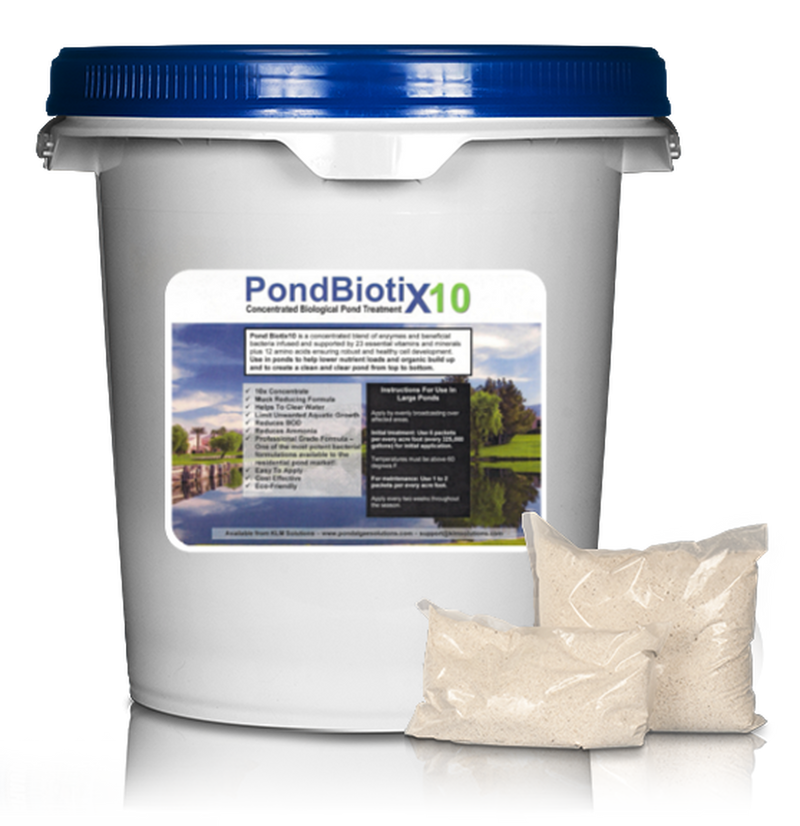
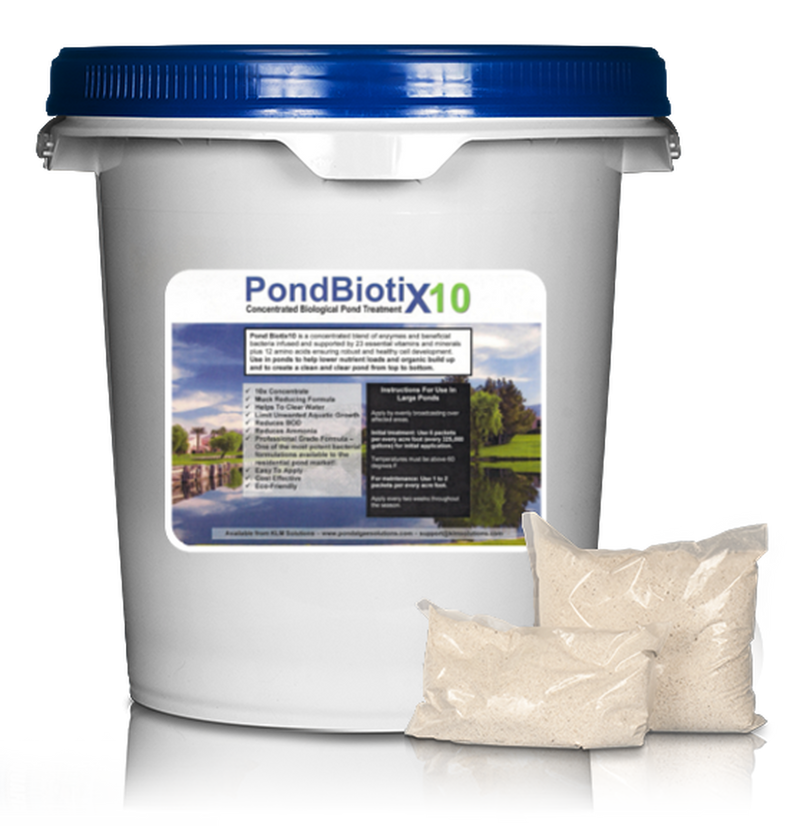
Advanced sequestration techniques involve the use of specialized bacteria and enzymes designed to accelerate the decomposition of organic muck. These biological additives work in tandem with aeration to "eat" the sludge layer, converting the nutrients into bacterial biomass that can be consumed by the food chain, rather than remaining available for algae.
Scaling these solutions for larger water bodies requires a GIS-based watershed assessment. Identifying "hot spots" in the drainage area—such as a specific agricultural field or a failing septic system—allows for targeted intervention that provides a higher return on investment than broad-lake treatments.
Scenario Analysis: Residential Nutrient Loading
Consider a 1-acre residential pond surrounded by 5 acres of high-maintenance turfgrass. If the lawn is fertilized with standard phosphorus-rich blends, a heavy rain event can wash approximately 5 to 10 pounds of phosphorus into the pond.
Based on the conversion rate of 1 lb P to 500 lbs of algae, this single rain event potentially fuels the growth of 2,500 to 5,000 lbs of algae. Without a buffer or aeration, this pond will enter a cycle of severe blooms, surface matting, and foul odors.
Applying an integrated strategy changes the outcome. By installing a 35-foot riparian buffer and a diffused aeration system, the inflow of phosphorus is reduced by 60%, and the internal release from sediment is suppressed. The resulting nutrient load is low enough that the pond maintains a healthy Secchi depth, requiring zero algaecide applications for the entire season.
Final Thoughts
Nutrient management is the only long-term solution for pond clarity and health. By viewing algae as a symptom of a chemical imbalance rather than an isolated problem, managers can design systems that are naturally resistant to blooms. The shift from "killing the spark" (algae) to "removing the fuel" (nutrients) represents the highest level of aquatic stewardship.
The integration of mechanical aeration, biological buffers, and targeted chemical inactivation creates a robust defense against eutrophication. These methods prioritize the stabilization of the internal environment, ensuring that the pond remains an asset rather than a liability.
Practitioners are encouraged to begin with water chemistry analysis to determine their limiting nutrients. Experimenting with small-scale buffer zones and monitoring clarity changes will provide the data necessary to scale these technical solutions effectively. Consistent attention to the nutrient budget is the hallmark of a high-performance pond system.