

Pond Dye 101: Blue vs. Black — Which Color Is Right for Your Pond and Why It Matters
Blue or Black? The color you choose doesn't just change the look—it changes the biology. Are you a fan of the classic Caribbean blue or the deep, mysterious mirror of black? Choosing the right pond dye isn't just about aesthetics; it's about light penetration and temperature control. Here is why the pro's pick black for depth and blue for brilliance.
Managing a pond ecosystem requires more than just visual preference. It involves the precise manipulation of the photic zone. Pond dyes serve as a foundational tool in integrated pond management by limiting the wavelengths of light available for photosynthesis. This technical guide examines the functional differences between blue and black pond dyes, focusing on light attenuation, thermal dynamics, and chemical efficiency.
Selecting a dye is an engineering decision. While both colors serve to reduce the clarity of the water column, they interact with the solar spectrum in distinct ways. Understanding these interactions is critical for any property manager or aquatic specialist aiming to optimize water quality and suppress unwanted vegetation.
Pond Dye 101: Blue vs. Black — Which Color Is Right for Your Pond and Why It Matters
Pond dye is a concentrated food-grade colorant designed to filter sunlight throughout the water column. In technical terms, it acts as a filter for photosynthetic active radiation (PAR). PAR consists of light wavelengths between 400 and 700 nanometers, which are essential for the growth of algae and submerged aquatic weeds like pondweed or milfoil.
Blue pond dye typically utilizes Acid Blue 9. This specific pigment is highly effective at absorbing the red and yellow ends of the light spectrum. Because red light is the primary driver of photosynthesis in many aquatic plants, blue dye effectively starves these organisms of the energy required for growth. This results in the characteristic "tropical" appearance often seen in golf course water hazards and residential ponds.
Black pond dye, often referred to as "reflective" or "mirror" dye, usually contains a blend of colors that absorb a wider range of the visible spectrum. Its primary function is to create a high-contrast surface reflection. By absorbing more light near the surface and reflecting the surrounding landscape, it provides an aesthetic of extreme depth and architectural stillness. It is frequently deployed in formal landscapes where the goal is Traditional Reflection vs Architectural Depth.
The choice between these two matters because they influence the thermal profile of the pond. Water clarity and color dictate how much heat is absorbed at the surface versus deeper in the water column. This affects dissolved oxygen levels, stratification, and the overall metabolic rate of the pond's inhabitants.
How It Works: The Physics of Light Attenuation
To implement pond dye effectively, one must understand the Beer-Lambert Law, which relates the attenuation of light to the properties of the material through which the light is traveling. When dye is added to water, the concentration of the dye determines the "extinction coefficient." A higher concentration means light cannot penetrate as deeply.
Blue dyes are engineered to target the 600-700nm range (red light). Since water itself naturally absorbs infrared and red light, adding blue dye accelerates this process. This creates a "shadow" effect in the lower depths of the pond. Submerged plants at the bottom receive significantly less energy, which prevents them from reaching the surface where they would otherwise become a nuisance.
Black dyes operate on a broader absorption principle. Instead of selectively filtering specific colors, they absorb a higher percentage of total incoming solar radiation. This creates a "total internal reflection" effect at the surface. For the observer, this turns the pond into a mirror. For the ecosystem, it creates a much darker environment below the surface than blue dye typically provides.
Application Rates and Volumetric Calculations
Precise application is mandatory for technical efficiency. Most professional-grade dyes are applied at a rate of one gallon per four acre-feet of water. One acre-foot is equivalent to 325,851 gallons. To calculate the required dosage, use the formula: (Surface Acres x Average Depth) / 4. Applying dye without calculating volume leads to inconsistent light filtration and wasted resources.
Mechanical Distribution Systems
While dye can be poured from the shoreline, professional applications often utilize small watercraft or weighted dispensers to ensure even distribution. The dye will naturally disperse via Brownian motion and wind-driven currents within 24 to 48 hours. However, in systems with high flow-through or active aeration, supplemental dosing may be required to maintain the desired extinction coefficient.
Benefits of Strategic Dye Application
The primary benefit of using pond dye is the suppression of algae and submerged weeds without the use of harsh herbicides. By limiting light, the dye acts as a preventative measure rather than a reactive treatment. This reduces the nutrient cycling issues associated with mass vegetation die-offs, such as sudden drops in dissolved oxygen.
Blue dye offers high visibility for fish. In many managed fisheries, blue dye is preferred because it allows for easier monitoring of fish health while still providing the fish with cover from avian predators like herons or kingfishers. The blue hue masks the bottom, making it difficult for predators to gauge the depth or location of prey.
Black dye provides superior temperature control in certain climates. Because it reflects more light at the surface, it can occasionally help maintain cooler temperatures in the deeper strata of the pond during peak summer months, provided the pond is deep enough to stratify. It also provides the most professional aesthetic for architectural ponds, hiding unsightly sludge or debris on the pond floor.
Both dyes are generally non-toxic and safe for livestock, irrigation, and recreational swimming when used at recommended concentrations. They are often certified for use in potable water reservoirs, highlighting their low environmental impact compared to copper-based algaecides.
Challenges and Common Mistakes
A frequent error in pond dye application is failing to account for water exchange rates. If a pond has a high rate of inflow and outflow, such as a pond fed by a large stream, the dye will be flushed out rapidly. This makes the treatment cost-prohibitive and technically ineffective. Dye should only be used in relatively closed systems with minimal turnover.
Another mistake is applying dye over an existing algae bloom. Dye is a filter, not a toxin. It will not kill existing algae. In fact, applying dye to a heavy bloom can sometimes trap the algae near the surface where it receives more sunlight, potentially exacerbating the problem. The pond must be clear of heavy growth before the dye is introduced to act as a preventative barrier.
Over-application is a common aesthetic and biological pitfall. Applying too much dye can turn the water an unnatural, "ink-like" color that is visually unappealing. More importantly, it can limit light so severely that even beneficial phytoplankton—the base of the aquatic food web—cannot survive. This can lead to a collapse in the pond’s fish population due to lack of food.
Limitations: When This May Not Be Ideal
Pond dyes are ineffective against floating plants like duckweed or watermeal. Since these plants sit on top of the water, they have direct access to sunlight regardless of the dye concentration below them. Using dye in a pond dominated by floating vegetation is a waste of resources unless the floating plants are mechanically or chemically removed first.
Turbidity and suspended solids also limit dye performance. If a pond is "muddy" due to suspended clay or high sediment loads, the dye molecules will bind to the sediment particles. This causes the dye to settle out of the water column prematurely. In these cases, a flocculant or clarifier must be used to clear the water before the dye can function as intended.
Environmental factors such as heavy rainfall can also dilute the dye. In regions with high seasonal precipitation, maintaining a consistent color requires frequent "top-off" doses. This increases the annual maintenance cost and requires more rigorous monitoring of the water's optical properties.
Comparison: Blue vs. Black Pond Dye Performance
The following table compares the technical and functional attributes of blue and black pond dyes to assist in the selection process.
| Factor | Blue Pond Dye | Black Pond Dye |
|---|---|---|
| Primary Wavelength Filtered | Red and Yellow (600-700nm) | Broad Spectrum / Full Visible |
| Visual Effect | Tropical, Caribbean, Transparent | Reflective, Mirror-like, Opaque |
| Best Use Case | Golf courses, active fisheries, residential | Formal estates, architectural features |
| Predator Protection | Moderate | High (maximum surface reflection) |
| Thermal Absorption | Moderate | High at surface / Low at depth |
| Debris Masking | Fair | Excellent |
While blue dye remains the industry standard for general utility, black dye is increasingly favored in high-end landscaping where the goal is to integrate the water body into the surrounding architecture through reflection.
Practical Tips and Best Practices
Always test the water chemistry before a major dye application. While dye does not significantly alter pH, the presence of certain minerals can affect the longevity of the color. Hard water with high calcium levels may cause some dyes to "fade" faster as the pigments interact with mineral ions.
Use a "colorant stabilizer" if the pond is exposed to intense UV radiation. Sunlight naturally breaks down the dye molecules over time through a process called photodegradation. In shallow ponds with high surface area, UV exposure is the primary cause of color loss. Higher-quality, concentrated dyes often include UV inhibitors to extend the life of the treatment.
- Apply dye in the early morning when the wind is calm to prevent drifting.
- Wear protective clothing and gloves; professional-grade dye is highly concentrated and will stain skin and equipment permanently.
- Monitor the water color every two weeks and add "booster" doses as soon as the clarity increases beyond your target depth.
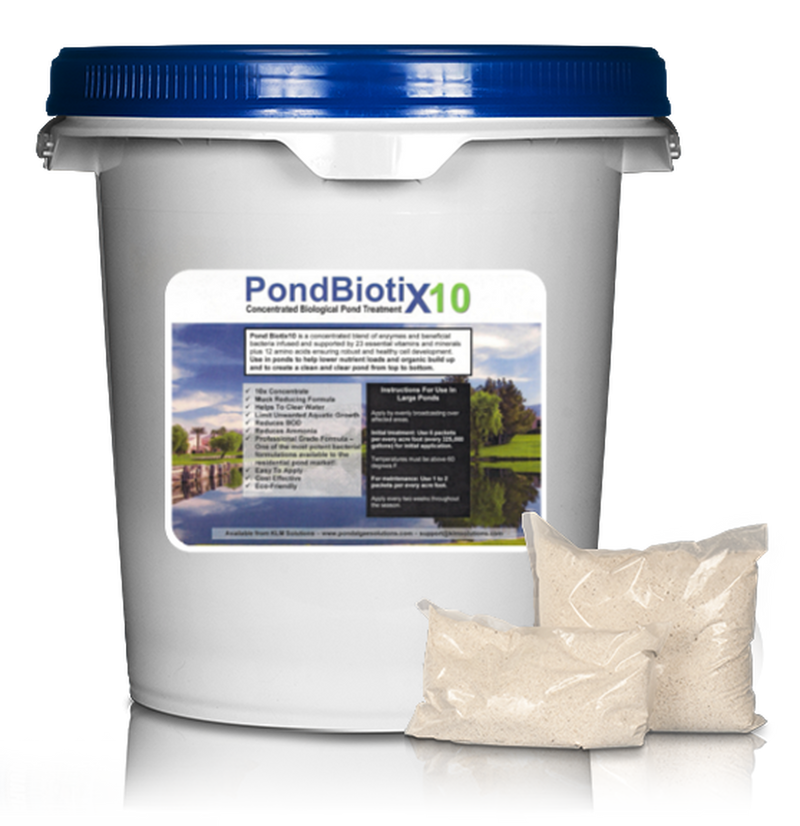
- Combine dye with beneficial bacteria treatments to tackle both light penetration and nutrient loading simultaneously.
Advanced Considerations for Practitioners
For large-scale management, practitioners should utilize a Secchi disk to measure the "compensation point." The compensation point is the depth at which oxygen production from photosynthesis equals oxygen consumption from respiration. By using dye to move the compensation point higher in the water column, you can effectively manage the volume of the pond that supports plant life.
In stratified ponds, be aware of the "metalimnion" or the thermocline. Because black dye increases heat absorption at the surface, it can strengthen the thermal stratification. This may lead to a more pronounced "dead zone" (anoxic layer) at the bottom. In these scenarios, bottom-diffused aeration is essential to maintain oxygen levels throughout the entire water body.
Consider the use of "Midnight Blue" or "Twilight" blends. These are hybrid dyes that combine Acid Blue 9 with black pigments. These blends offer a compromise, providing some of the reflective properties of black dye while maintaining a hint of the deep blue color that many find more natural for larger lakes. These hybrids are often the most efficient for suppressing aggressive weed growth in deep water.
Example Scenario: Managing a 2-Acre Retention Pond
Consider a 2-acre retention pond with an average depth of 6 feet. The pond suffers from seasonal filamentous algae and high visibility of construction debris on the bottom. The manager decides to use a black reflective dye to improve the aesthetic and suppress algae.
Step 1: Calculate the volume. 2 acres x 6 feet = 12 acre-feet of water.
Step 2: Determine the dosage. At a rate of 1 gallon per 4 acre-feet, the manager requires 3 gallons of concentrated black dye.
Step 3: Application. The dye is applied near the aeration fountain to facilitate rapid mixing.
Step 4: Observation. Within 24 hours, the Secchi disk reading drops from 5 feet to 1.5 feet. The surface now reflects the surrounding office buildings, and the debris on the bottom is no longer visible.
After three months, despite heavy summer sun, the algae growth is significantly lower than in previous years. The manager schedules a 0.5-gallon booster dose every 30 days to maintain the 1.5-foot visibility limit.
Final Thoughts
Choosing between blue and black pond dye is a technical decision that impacts the biological and thermal stability of an aquatic system. Blue dye is the optimal choice for those seeking a vibrant, natural look with good visibility for fish management. Black dye is the superior tool for masking pond bottom imperfections and creating a sophisticated, reflective surface that integrates with modern architecture.
Both options provide a non-chemical means of controlling light penetration, which is a cornerstone of effective pond maintenance. By understanding the physics of light attenuation and the specific needs of your water body, you can create a stable environment that requires fewer herbicide interventions and less manual labor.
Success in pond management comes from consistency. Whether you choose the brilliance of blue or the depth of black, regular monitoring and precise dosing will ensure your pond remains a healthy, controlled, and visually impressive asset to your property.