Identifying Filamentous Algae vs. Planktonic Algae: Why the Treatment Differs
Stop guessing. If you treat the wrong algae, you're just throwing money into the water. Not all algae is created equal. Filamentous and Planktonic algae require completely different chemicals and timing. Here is how to tell them apart like a pro.
Successful pond management relies on precise biological identification. Misidentifying the target organism leads to inefficient chemical application, wasted resources, and potential ecological damage. This guide provides the technical framework required to distinguish these two primary algae categories and execute a targeted mitigation strategy.
Identifying Filamentous Algae vs. Planktonic Algae: Why the Treatment Differs
Filamentous algae and planktonic algae represent two distinct biological structures with different ecological niches. Filamentous algae, often referred to as "pond scum" or "string algae," consists of single-cell organisms that join together to form long, visible chains or threads. These filaments entwine to create dense, fabric-like mats that typically begin growth on the pond floor or attached to submerged substrates like rocks and logs.
Planktonic algae are microscopic, single-celled organisms suspended throughout the water column. While a baseline population is essential for the aquatic food web, excessive nutrient loading triggers rapid reproduction known as a bloom. These blooms alter the water's turbidity, creating a "pea soup" appearance or a paint-like film on the surface.
The treatment protocol differs because of these structural variations. Filamentous mats require algaecides with high contact efficacy and surfactants to penetrate the dense biomass. Conversely, planktonic blooms necessitate volume-based dosing to achieve a specific concentration (parts per million) throughout the entire water body to disrupt cellular function across the suspended population.
Systematic Identification and Treatment Methodologies
The process of identification begins with a physical assessment often called the "squeeze test." If you can pick up a handful of the algae and it maintains its structure like wet wool or a clump of hair, it is filamentous. If the green material slips through your fingers and cannot be grasped, you are dealing with a planktonic bloom.
Chemical selection is the next critical step. For filamentous species like Spirogyra (silk algae) or the highly resistant Pithophora (horsehair algae), chelated copper products are often superior to standard copper sulfate. Chelated formulas contain stabilizing agents that keep the copper ion in solution longer, allowing for deeper penetration into the mats.
Planktonic control frequently utilizes either copper-based algaecides or oxidative treatments like sodium carbonate peroxyhydrate. Because these organisms are suspended, the chemical must be distributed evenly across the surface to ensure it filters down through the photic zone.
Technical Benefits of Professional Identification
Accurate identification maximizes the efficiency of your chemical budget. Applying a contact-kill algaecide to a planktonic bloom is often ineffective because the product sinks before it can neutralize the suspended cells. By choosing the correct product, you ensure that every gallon applied contributes to the reduction of the target biomass.
Preventing "oxygen crashes" is another measurable benefit. Algae produce oxygen during the day via photosynthesis but consume it at night through respiration. If you treat a massive bloom of the wrong type, the rapid decomposition of the dead algae can deplete dissolved oxygen levels to below 3 ppm, leading to catastrophic fish kills.
Long-term pond stability is achieved when treatments are calibrated to the specific growth habit of the algae. Identifying the species allows you to determine if the growth is a seasonal spike or a symptom of deeper nutrient loading, such as high phosphorus levels in the sediment.
Mechanical Challenges and Common Pitfalls
The most frequent error in algae treatment is ignoring water chemistry, specifically total alkalinity. In water with alkalinity below 40 ppm, copper-based algaecides become highly toxic to fish. Conversely, in hard water with alkalinity above 200 ppm, copper ions rapidly precipitate out as copper carbonate, rendering the treatment useless.
Timing of application is another critical failure point. Many practitioners wait until the pond is completely covered before acting. Heavy biomass requires significantly higher chemical concentrations and increases the risk of post-treatment oxygen depletion.
Applying algaecides during peak heat or low-wind conditions can also be problematic. High water temperatures naturally hold less dissolved oxygen, and stagnant air prevents atmospheric diffusion, compounding the stress on the aquatic ecosystem as the algae die and decompose.
Operational Limitations and Constraints
Environmental factors can limit the efficacy of even the most precise treatments. For instance, high turbidity from suspended clay or organic tannins can bind to algaecides, reducing the amount of "free" active ingredient available to kill the algae.
Mechanical constraints also play a role. Large-scale planktonic blooms in reservoirs or deep lakes may be too costly to treat chemically due to the sheer volume of water required to reach effective parts per million (ppm) thresholds. In these scenarios, management must shift toward nutrient sequestration using products like aluminum sulfate (alum) or lanthanum-modified clay.
Species-specific resistance is a realistic boundary. Pithophora, for example, produces akinetes—thick-walled spores that are resistant to most standard algaecides. Treating this species requires specialized surfactants and repeated applications that may not be feasible for all management budgets.
Comparative Analysis: Filamentous vs. Planktonic
| Feature | Filamentous Algae | Planktonic Algae |
|---|---|---|
| Structure | Multi-cellular chains (mats/threads) | Microscopic, single cells |
| Growth Habitat | Bottom-up; attached to substrate | Suspended in the water column |
| Measurement | Square footage of surface mats | Secchi disk transparency / PPM |
| Preferred Chemical | Chelated Copper + Surfactant | Copper Sulfate or Peroxides |
| Risk Profile | Clogging intakes, aesthetic ruin | Cyanotoxins, sudden oxygen crash |
Best Practices for Optimized Performance
Prioritize morning applications. Dissolved oxygen levels are naturally at their lowest at dawn; however, treating early in the day allows the remaining live algae to produce oxygen throughout the daylight hours, mitigating the impact of the die-off.
Utilize a Secchi disk to monitor planktonic density. A visibility reading of less than 12 inches indicates a high-risk bloom that requires immediate intervention. Aim to maintain visibility between 18 and 24 inches for a balanced ecosystem.
Always calculate your pond's volume in acre-feet before dosing. One acre-foot is equal to one surface acre with a depth of one foot (approximately 325,851 gallons). Using the formula Acres x Average Depth = Acre-Feet prevents under-dosing, which leads to chemical resistance, or over-dosing, which wastes money and risks toxicity.
Advanced Considerations for Serious Practitioners
Serious practitioners should consider the "Nitrogen to Phosphorus" (N:P) ratio. High phosphorus levels relative to nitrogen often favor the growth of cyanobacteria (toxic blue-green algae). Using nutrient binders to lock up phosphorus in the sediment can provide a more permanent solution than repeated algaecide applications.
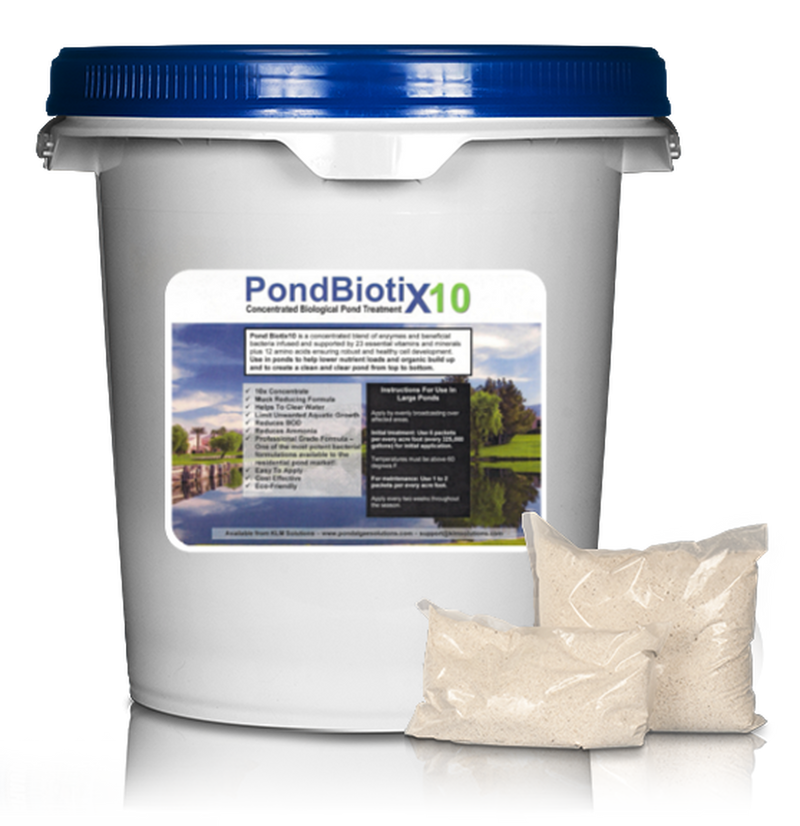
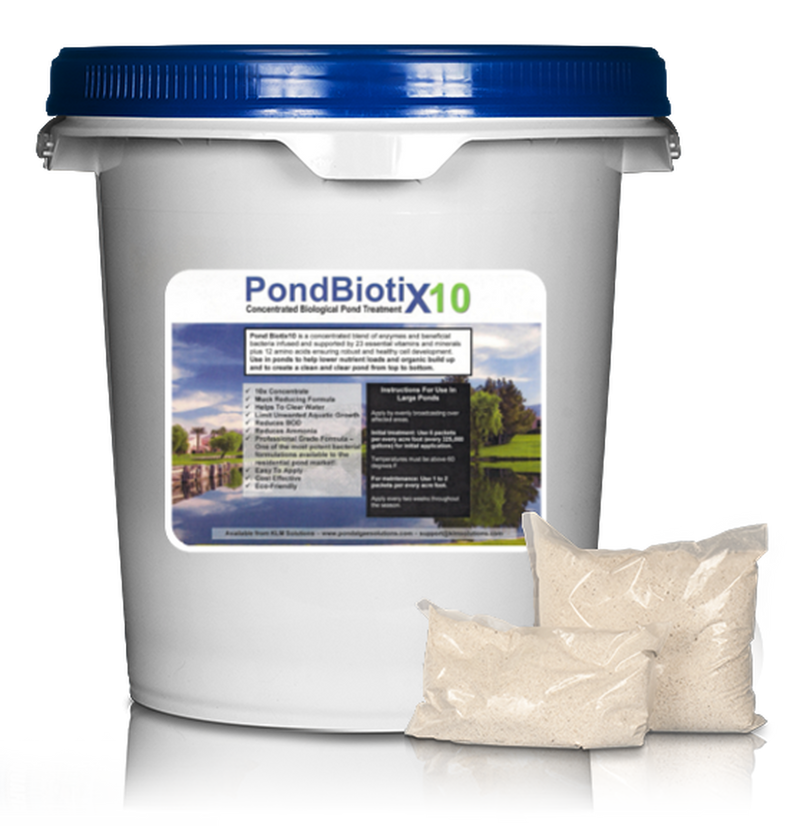
Microbial augmentation is another advanced strategy. Introducing specific strains of beneficial bacteria can out-compete algae for available nutrients. This biological control method is most effective when paired with diffused aeration systems that maintain high dissolved oxygen levels at the sediment-water interface.
The use of aquatic dyes can supplement chemical treatments by limiting the photic zone. By blocking specific wavelengths of sunlight, dyes reduce the photosynthetic capacity of algae at depths greater than two feet, effectively "starving" the organisms that reside below the surface.
Application Scenario: 1-Acre Pond Treatment
Consider a 1-acre pond with an average depth of 4 feet, resulting in 4 acre-feet of total volume. The pond has a 20% coverage of filamentous Spirogyra mats and a moderate planktonic bloom with 15-inch Secchi visibility.
For the filamentous portion, the practitioner should not treat the entire pond. Instead, they should spot-treat the 0.2 acres of mats using a chelated copper liquid mixed with a non-ionic surfactant. This targeted approach uses less chemical and preserves more of the "good" algae that provide oxygen.
For the planktonic bloom, if the alkalinity is measured at 150 ppm, a dosage of 0.6 to 1.0 ppm of copper sulfate may be applied to the remaining open water. This ensures the concentration is high enough to thin the bloom without causing a total collapse of the dissolved oxygen.
Final Thoughts
Mastering the distinction between filamentous and planktonic algae is the foundation of professional pond management. This technical clarity allows for the selection of the correct chemical agents and the application of precise dosages, ensuring both economic and ecological efficiency.
By moving away from "generic" treatments and adopting a data-driven identification process, you reduce the risk of chemical resistance and environmental harm. Consistent monitoring of water chemistry and Secchi visibility remains the most effective way to maintain a healthy aquatic balance.
Applying these advanced principles will transform your approach from reactive crisis management to proactive environmental optimization. Experiment with nutrient binders and biological tools to further reduce your reliance on chemical interventions over time.