How to Prevent Oxygen Crashes After Algae Treatment
An algae treatment without an oxygen plan is a gamble. Don't let your fish pay the price. Treating algae consumes massive amounts of oxygen. If you don't have active aeration or a passive biological safety net, you're risking an oxygen crash. Here's how to treat safely.
Managing aquatic ecosystems requires a precise understanding of the gas exchange dynamics and the metabolic demands of microbial populations. When an algaecide is applied, the objective is to terminate the target biomass. However, the mechanical death of the algae is merely the first phase of a high-energy chemical and biological event. The subsequent decomposition process creates a massive spike in Biochemical Oxygen Demand (BOD), which can deplete dissolved oxygen (DO) levels faster than natural surface diffusion can replenish them.
This technical guide examines the mechanics of oxygen depletion following algaecide application and outlines the engineering and biological protocols necessary to prevent catastrophic hypoxia. We will focus on data-driven metrics, such as Standard Aeration Efficiency (SAE) and stoichiometric decomposition rates, to ensure your management strategy is grounded in physical reality rather than guesswork.
How to Prevent Oxygen Crashes After Algae Treatment
Preventing an oxygen crash requires a dual-track approach: reducing the instantaneous biological load and increasing the mechanical transfer of oxygen from the atmosphere into the water column. The primary cause of a "crash" is the rapid aerobic decomposition of dead organic matter by heterotrophic bacteria. These bacteria use oxygen as the terminal electron acceptor in their metabolic processes. When millions of algal cells die simultaneously, the bacterial population explodes, and their collective respiration consumes the available DO.
In real-world applications, this phenomenon is most dangerous in the 24 to 72 hours following treatment. During this window, the biomass has ceased producing oxygen via photosynthesis but has reached peak decomposition intensity. If the water body is stratified—meaning the warm upper layer (epilimnion) is separated from the cool bottom layer (hypolimnion) by a thermocline—the risk is compounded. The organic matter sinks into the lower depths where oxygen is already limited, potentially creating an anoxic "dead zone" that can trigger a full-lake turnover and total fish kill.
Prevention is achieved by strictly limiting the amount of biomass killed at any single time. Professionals adhere to the "Partial Treatment Rule," which dictates treating only one-fourth to one-third of the water body in a single session. This leaves a refugia of oxygenated water for aquatic life and allows the system to metabolize the dead material without exhausting the entire DO reserve.
Mechanisms of Dissolved Oxygen Depletion
Understanding the physics of gas solubility is critical for safe pond management. Oxygen enters the water through two primary pathways: atmospheric diffusion at the surface and photosynthetic byproduct release from aquatic plants and algae. Conversely, it is removed through the respiration of fish, invertebrates, and bacteria, as well as chemical oxidation of minerals.
The Role of Temperature and Henry's Law
The ability of water to hold dissolved gases is inversely proportional to its temperature. According to Henry’s Law, as water temperature increases, the saturation point for dissolved oxygen decreases. For example, at 50°F (10°C), fresh water at sea level can hold approximately 11.3 mg/L of oxygen at 100% saturation. At 86°F (30°C), that capacity drops to approximately 7.5 mg/L. Because algae treatments are most common during peak summer heat, managers are often working with a system that is already near its physiological minimum for supporting sensitive fish species before the treatment even begins.
Biochemical Oxygen Demand (BOD)
BOD is the measurement of the amount of oxygen required by aerobic microorganisms to break down organic matter in a given volume of water. Following a successful algaecide application, the BOD rises exponentially. The microbial community requires a specific ratio of oxygen to carbon to complete the oxidation of the dead algal cells. If the total mass of dead algae exceeds the available DO plus the rate of re-aeration, the concentration will fall below the critical threshold of 5.0 mg/L, leading to stress, or below 2.0 mg/L, leading to acute hypoxia and death for most teleost fish.
Aeration Systems and Efficiency Metrics
Mechanical aeration is the most reliable tool for maintaining DO levels during a treatment cycle. However, not all aeration systems are created equal. Efficiency is measured by the Standard Aeration Efficiency (SAE), which is the amount of oxygen transferred per unit of energy consumed (usually kg O2/kWh).
- Subsurface Diffused Aeration: This system uses a shore-based compressor to pump air to diffusers located at the bottom of the pond. These diffusers release millions of fine bubbles. As the bubbles rise, they transfer oxygen through their surface area and create a vertical current that brings deoxygenated bottom water to the surface. Fine bubble diffusers typically achieve an SAE of 2.0 to 4.5, making them the most efficient choice for water deeper than 8 feet.
- Surface Aerators and Splashers: These units float on the surface and mechanically agitate the water, flinging it into the air to maximize surface area contact with the atmosphere. While excellent for shallow water (less than 5 feet) and emergency response, their SAE is generally lower, ranging from 0.8 to 1.5. They are less effective at destratifying deep water bodies because their influence is limited to the upper few feet of the water column.
- Nano-Bubble Technology: An emerging advanced consideraton, nano-bubbles (diameters < 200nm) have a neutral buoyancy and stay suspended in the water column for weeks. They provide a massive reserve of oxygen and can significantly reduce the risk of a crash by maintaining high DO levels in the sediment-water interface.
Benefits of Active Aeration During Treatment
The primary benefit of active aeration is the provision of a safety margin. By artificially increasing the oxygen transfer rate, you decouple the pond’s health from the volatile cycles of photosynthesis and respiration. This allows for more aggressive management of nutrient-heavy systems that would otherwise be untreatable due to the risk of fish loss.
Beyond immediate survival, aeration promotes the efficiency of beneficial aerobic bacteria. These microbes are responsible for "muck" reduction—the digestion of organic sludge at the pond bottom. In an aerobic environment, these bacteria operate much faster and do not produce the toxic byproducts associated with anaerobic decomposition, such as hydrogen sulfide (H2S) or methane (CH4). Maintaining high DO levels essentially accelerates the "clean-up" phase after an algae kill.
Challenges and Common Mistakes
One of the most frequent errors in pond management is treating the entire surface area of a pond during a heatwave. High temperatures already suppress DO levels and accelerate bacterial metabolism. Combining these factors with a 100% biomass kill is a recipe for immediate ecosystem collapse.
Another mistake is turning off aeration systems at night. Many pond owners use timers to save electricity, but the pre-dawn hours (2:00 AM to 6:00 AM) are the most critical time for oxygen maintenance. During the night, both the fish and the remaining live plants are respiring (consuming oxygen), and the photosynthetic "recharge" from the sun is absent. Stopping aeration during this period removes the only active supply of oxygen when the demand is at its peak.
Failure to wait the mandatory 10 to 14 days between partial treatments is also a common pitfall. This duration is necessary to allow the bacterial population to finish the primary oxidation of the previous batch of dead algae. Re-treating too soon layers a new spike of BOD on top of an existing one, overwhelming the system's capacity to recover.
Limitations of Aeration and Treatment
Aeration is not a magic bullet. In extremely shallow ponds (less than 3 feet) with high thermal mass, even the most efficient aerator may struggle to keep DO levels high enough to support sensitive species like trout or walleye during a treatment. The heat-driven reduction in gas solubility is a hard physical limit.
Furthermore, chemical interference can limit the effectiveness of an oxygen plan. Certain algaecides, particularly those based on copper sulfate in low-alkalinity water, can be toxic to the very bacteria needed for decomposition, leading to a "pickling" effect where the algae dies but does not break down, only to rot all at once later when the chemical dissipates. This creates a delayed oxygen crash that catches many managers off guard.
Comparison: Active vs. Passive Oxygen Management
When planning a treatment, managers must decide between active emergency systems and passive security measures. The following table compares these approaches based on technical requirements and performance.
| Feature | Active Aeration (Active Emergency) | Biological Buffering (Passive Security) |
|---|---|---|
| Mechanism | Mechanical gas transfer via bubbles or splashing. | Strategic planting of submerged macrophytes and bio-augmentation. |
| Reliability | High; works independently of sunlight. | Moderate; dependent on weather and plant health. |
| Cost (Initial) | High (Equipment and electrical installation). | Low to Moderate (Planting and bacterial inoculants). |
| Response Time | Immediate; can be deployed during a crash. | Long-term; must be established months in advance. |
| Efficiency | Consistent SAE based on equipment specs. | Variable based on photosynthetic rate. |
Practical Tips for a Safe Algae Treatment
Follow these best practices to ensure your oxygen plan is robust enough to handle the BOD spike from an algaecide application:
- Monitor DO Levels: Use a handheld dissolved oxygen meter to take readings at 5:00 AM. If the reading is below 5.0 mg/L, do not treat the pond. Wait for a cooler day or increase aeration.
- The 33% Rule: Divide your pond into three imaginary zones. Treat Zone 1 on Day 1. Wait at least 14 days before treating Zone 2. This ensures a constant "safe zone" for fish.
- Treat Early in the Day: Apply algaecides in the morning. This allows the remaining live algae several hours of sunlight to produce oxygen through photosynthesis before the night-time respiration cycle begins.
- Target the Source: Focus treatment on the windward side of the pond. Wind-driven currents will help distribute the chemical and ensure the deoxygenated water is mixed with more oxygenated areas.
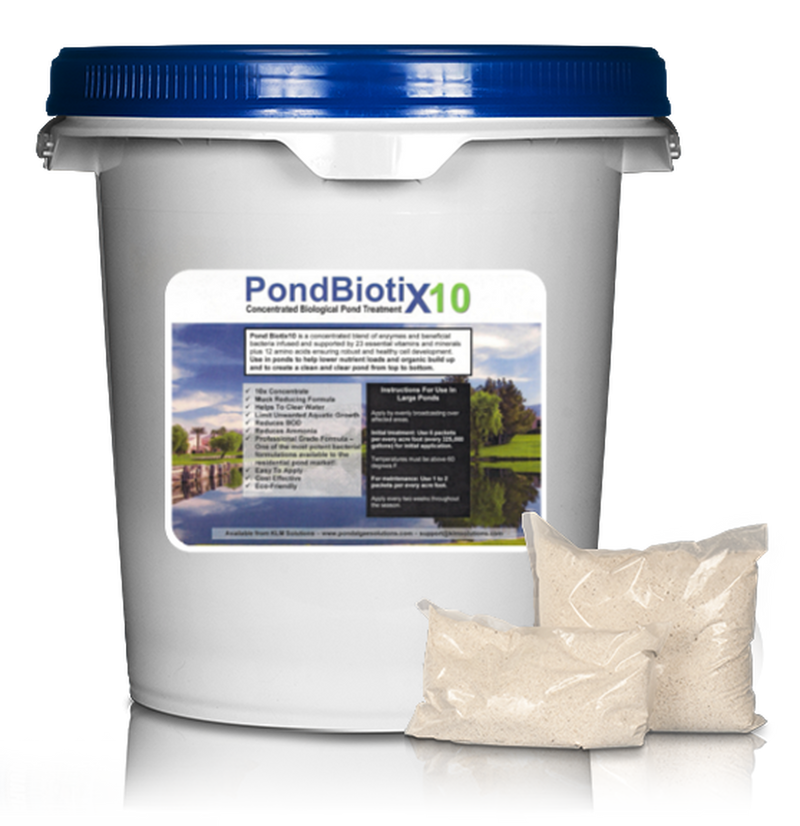
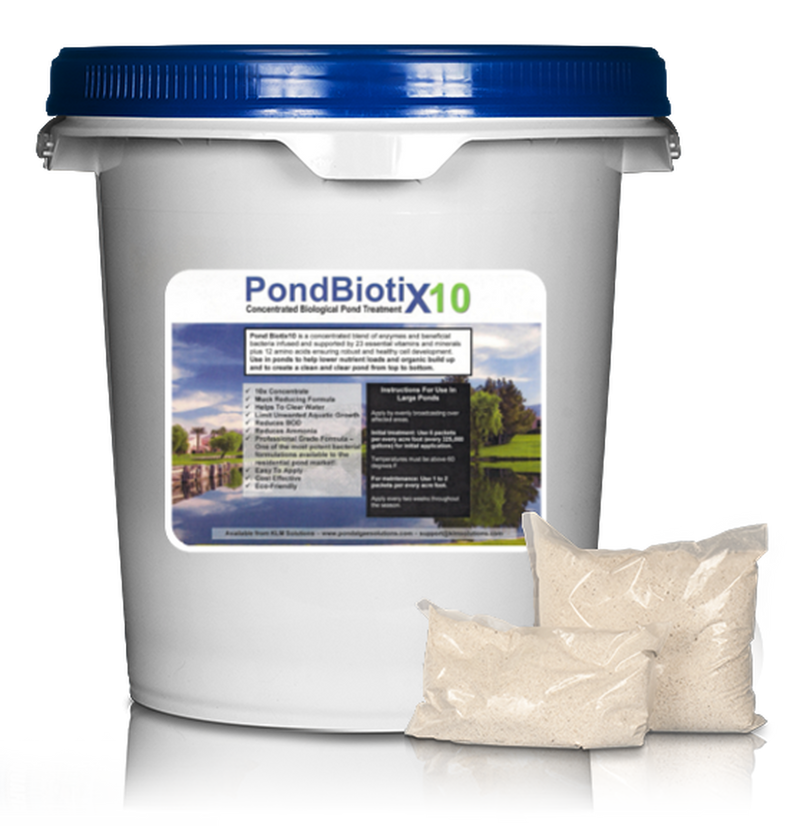
- Boost Beneficial Bacteria: Apply a concentrated bacterial supplement alongside the algaecide. While this seems counterintuitive (as bacteria use oxygen), specialized aerobic strains can outcompete wild strains and complete the decomposition process more efficiently.
Advanced Considerations: Fluid Dynamics and SOTE
For large-scale or professional lake management, the Standard Oxygen Transfer Efficiency (SOTE) becomes a critical variable. SOTE measures how much oxygen from the air pumped into the water actually dissolves. In deep water, SOTE increases because the bubbles are under higher pressure and have a longer transit time to the surface.
Fluid dynamics also play a role in "dead spots." In irregularly shaped ponds, an aeration system may create "donuts" of oxygenated water while leaving the corners anoxic. Serious practitioners use dye testing or thermal mapping to ensure that the entire water column is circulating. If the treatment area is a stagnant bay, a temporary surface splasher should be deployed specifically in that zone to prevent localized hypoxia, even if the rest of the pond has a bottom-diffused system.
Example Scenario: 1-Acre Pond Management
Consider a 1-acre pond with an average depth of 6 feet (6 acre-feet of water). The pond is currently experiencing a heavy bloom of filamentous algae covering 60% of the surface. The water temperature is 82°F.
The manager calculates the total biomass to be approximately 2,000 lbs of wet algae. If the manager treated the entire pond with a copper-based algaecide, the resulting BOD would require approximately 150 lbs of oxygen over 48 hours to decompose safely. However, at 82°F, the entire 1-acre pond only holds about 120 lbs of oxygen at saturation. Without aeration, the oxygen levels would hit zero within hours of the peak decomposition phase.
The safe plan involves treating only 1/3 of the pond (approx. 0.33 acres). This reduces the oxygen demand to 50 lbs, well within the safety margin. By running a 1/2 HP bottom-diffused aeration system during the process, the manager adds an additional 1.5 lbs of oxygen per hour (based on an SAE of 3.0), providing an extra 72 lbs of DO over the critical 48-hour window. This ensures that even with the BOD spike, the DO levels never drop below the safe threshold for the largemouth bass and bluegill population.
Final Thoughts
Safe algae management is fundamentally an exercise in oxygen accounting. You must ensure that the "deposits" (aeration, photosynthesis) always exceed the "withdrawals" (respiration, decomposition). By viewing your pond through the lens of BOD and SAE, you move from a reactive state of hope to a proactive state of mechanical optimization.
Successful practitioners understand that the algaecide is only half of the solution. The other half is the infrastructure required to process the resulting organic waste. Investing in high-quality subsurface aeration and adhering to strict partial-treatment protocols are the only ways to guarantee that your efforts to improve water clarity do not result in the loss of your aquatic livestock.
As you apply these techniques, continue to monitor your specific environmental variables. Every pond is a unique chemical reactor, and your willingness to measure, adjust, and follow the data will determine the long-term stability of the ecosystem. Experiment with different diffuser placements and bacterial augmentations to find the most efficient balance for your specific water chemistry.