

How to Manage Algae in Large Ponds and Lakes (5+ Acres)
You can't treat a 5-acre lake like a backyard pond. Managing large acreage requires moving beyond 'spot treatments' to an integrated ecosystem approach. Here is how we do it.
When dealing with 5 or more acres of water, the sheer volume of the system changes the physics of management. A single acre-foot of water contains approximately 325,851 gallons. In a 5-acre lake with an average depth of 6 feet, you are managing over 9 million gallons of water. Mechanical and chemical strategies that work for a 1/4-acre decorative pond will fail here due to scale and cost-inefficiency.
Large-scale algae management is not about killing a bloom once it appears. It is about managing the nutrient budget and oxygen levels to ensure blooms cannot sustain themselves. This requires a transition from reactive spot treatments to a proactive, data-driven framework. We focus on the underlying limnology—the study of inland waters—to optimize every mechanical and biological input.
Understanding the difference between Isolated Hotspots and an Integrated Watershed approach is critical for the serious practitioner. If you only treat the areas where algae is visible, you are treating symptoms while the broader ecosystem continues to accumulate phosphorus and nitrogen. A holistic strategy targets the source of the problem before it manifests as a surface mat.
How to Manage Algae in Large Ponds and Lakes (5+ Acres)
Algae management in large systems is the practice of regulating primary productivity within a water body to prevent harmful blooms while maintaining enough planktonic growth to support the food web. In a 5-acre lake, algae is a symptom of nutrient loading and thermal stratification. When phosphorus levels exceed 20 to 30 parts per billion (ppb), the system becomes eutrophic, providing the ideal environment for rapid algal reproduction.
There are three primary types of algae encountered in these systems. Planktonic algae are microscopic and free-floating, giving the water a green or "pea soup" appearance. Filamentous algae form dense mats that resemble wet wool and often float on the surface. Macroalgae, such as Chara, look like submerged plants but are technically multicellular algae. Each requires a specific technical response, but all are fueled by the same nutrient-rich environment.
The goal is to move the system from an algae-dominant state to a plant-dominant or clear-water state. This is achieved through a combination of nutrient sequestration, mechanical circulation, and biological augmentation. In professional lake management, we view the lake as a bio-reactor where every input must be calculated based on the total water volume and the rate of nutrient influx from the surrounding watershed.
Integrated Management: A Step-by-Step System
The first step in managing a 5-acre lake is determining the bathymetry and water volume. You cannot calculate accurate chemical dosages or aeration requirements without knowing the average depth and total acre-feet. Once the volume is established, we implement a tiered approach that prioritizes long-term stability over short-term "burn" treatments.
Step 1: Nutrient Sequestration. Phosphorus is the limiting factor for most algal growth. In large lakes, we use nutrient binders like Aluminum Sulfate (Alum) or Lanthanum-modified bentonite clay (Phoslock). These materials are applied as a slurry to the water column. As they settle, they bind with free reactive phosphorus (FRP), forming an insoluble floc that sinks to the bottom. This effectively "starves" the algae by removing its primary food source.
Step 2: Destratification via Aeration. Large lakes often suffer from thermal stratification, where a warm upper layer (epilimnion) sits on top of a cold, oxygen-depleted bottom layer (hypolimnion). This anoxic bottom layer allows phosphorus to be released from the sediment back into the water column—a process called internal loading. Subsurface diffused aeration systems use shore-based compressors to pump air to diffusers on the lake bed. The rising bubble plumes create a vertical current that mixes the water layers and ensures dissolved oxygen (DO) levels remain above 5 ppm at all depths.
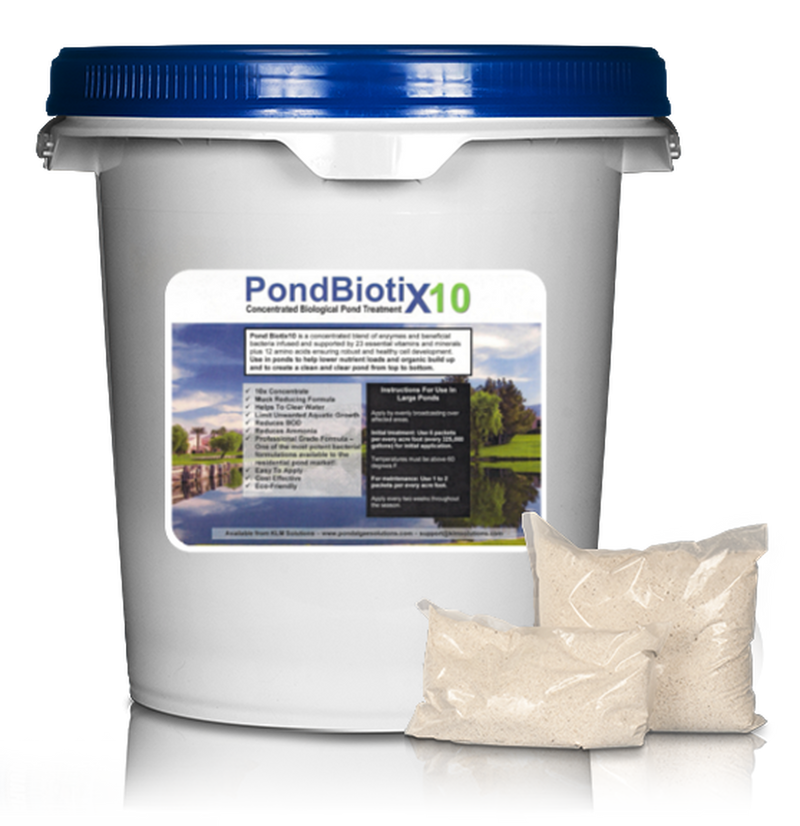
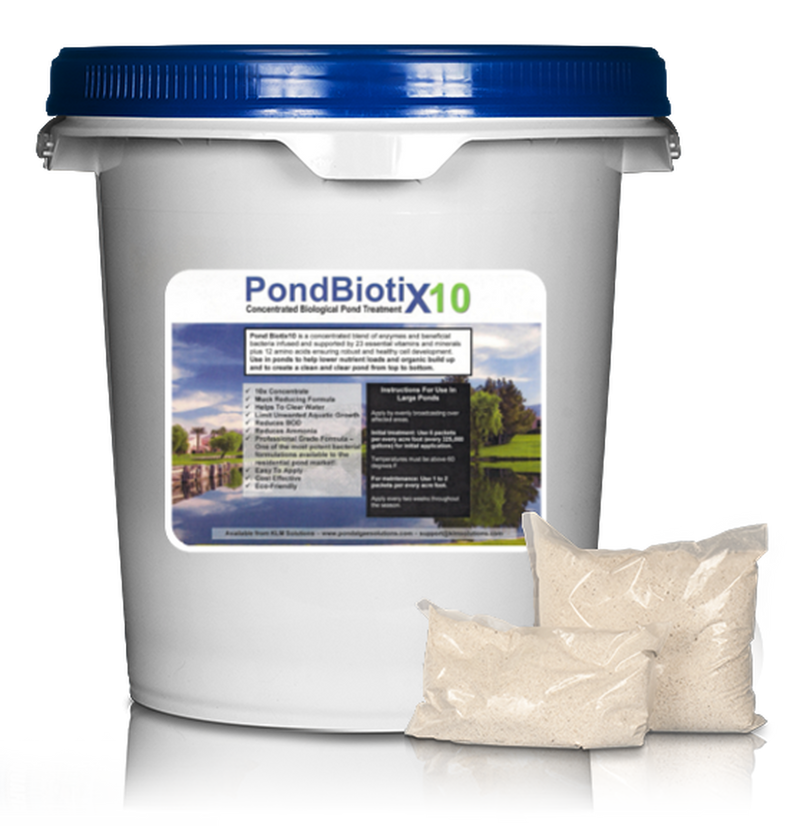
Step 3: Biological Augmentation. Once oxygen levels are stabilized, we introduce high-concentration beneficial bacteria. These microbes out-compete algae for nitrogen and phosphorus while simultaneously digesting organic "muck" on the lake floor. In a 5-acre system, liquid bacteria are used for rapid water column cleanup, while concentrated pellets are used to target specific sediment hotspots where organic matter has accumulated.
Benefits of the Integrated Ecosystem Approach
The primary advantage of an integrated approach is long-term cost efficiency. While the initial investment in an aeration system and nutrient binders is higher than a bucket of copper sulfate, the recurring costs are significantly lower. Constant chemical applications create a "yo-yo" effect where algae dies, sinks, rots, releases nutrients, and triggers a larger bloom two weeks later. Integrated management breaks this cycle.
Data from large-scale lake projects indicates that professional aeration and nutrient management can reduce the need for algaecides by 70% to 90% over a three-year period. This not only saves money on chemicals but also prevents the accumulation of heavy metals, such as copper, in the lake sediments. A healthy, oxygenated lake supports a robust population of zooplankton—microscopic animals that graze on algae, providing a natural, "free" filtration service.
Furthermore, this approach mitigates the risk of fish kills. Sudden algal die-offs caused by heavy chemical treatments often lead to oxygen crashes as the dead biomass decomposes. By managing the growth rate and maintaining high DO levels through aeration, you create a resilient environment that can withstand seasonal temperature spikes without catastrophic losses of aquatic life.
Challenges and Common Mistakes
One of the most frequent errors in managing 5+ acre lakes is undersizing the aeration system. Many operators attempt to use 1/2 HP or 1 HP units designed for 1-acre ponds. In a 5-acre lake, the system must achieve at least one full water turnover per 24-hour period. Failing to meet this metric results in "dead zones" where algae can still thrive and nutrients continue to recycle from the bottom.
Another common pitfall is the over-reliance on copper sulfate. Copper sulfate is an inorganic salt that is highly toxic to fish and invertebrates if applied in low-alkalinity water. In many jurisdictions, repeated use of copper sulfate leads to "copper-resistant" algae strains, requiring even higher dosages that eventually sterile the ecosystem. Professional managers prefer chelated copper products, which stay in the water column longer and are effective at much lower elemental copper concentrations.
Timing is also a significant challenge. Many lake owners wait until a bloom is severe before acting. By the time a 5-acre lake is covered in mats, the biomass is so large that any treatment risks a major oxygen crash. Early-season monitoring of water temperature and clarity is essential. Successful management starts when water temperatures hit 50°F to 55°F, long before the first visible bloom appears on the surface.
Limitations and Environmental Constraints
Despite the effectiveness of integrated management, certain environmental factors can limit success. High "flush rates" are a major constraint. If a lake is part of a high-volume stream system or receives massive stormwater runoff, nutrient binders like Alum may be washed out before they can effectively sequester phosphorus. In these "flow-through" systems, mechanical harvesting or ultrasonic technology may be more appropriate than chemical sequestration.
Water chemistry also dictates the choice of tools. For example, Alum can significantly drop the pH of water if the total alkalinity is below 50 ppm. In low-alkalinity lakes, buffered Alum or Lanthanum-modified clay must be used to avoid harming fish. Additionally, very deep lakes (over 30 feet) may require specialized hypolimnetic aeration that adds oxygen to the bottom without destratifying the entire water column, which could otherwise trigger a massive nutrient release into the surface layers.
Finally, the surrounding watershed remains the ultimate limit. If a 5-acre lake is surrounded by heavily fertilized agricultural land or golf courses, the sheer volume of incoming nutrients may exceed the lake's biological capacity to process them. In these cases, in-lake management must be paired with watershed-level interventions like littoral shelf plantings and buffer zones to filter runoff before it enters the water.
Isolated Hotspots vs. Integrated Watershed Management
The following table illustrates the technical differences between treating "hotspots" and managing the lake as an integrated component of its watershed.
| Factor | Isolated Hotspots (Spot Treatment) | Integrated Watershed Management |
|---|---|---|
| Primary Goal | Immediate visual clearance of visible mats. | Long-term reduction of the nutrient budget. |
| Treatment Frequency | Reactive; every 2–4 weeks during summer. | Proactive; seasonal adjustments based on data. |
| Chemical Usage | High volumes of contact algaecides. | Low volumes of chelated copper or binders. |
| Labor Intensity | High; requires frequent boat-based spraying. | Low; automated aeration with seasonal dosing. |
| Ecosystem Health | High risk of heavy metal buildup and fish kills. | Improved biodiversity and oxygen levels. |
Practical Tips and Best Practices
For consistent results in large lakes, we recommend the following technical protocols:
- Conduct an Alkalinity Test: Never apply copper-based algaecides without knowing your total alkalinity. If it is below 40 ppm, copper is highly toxic to fish. In these cases, use a chelated product and dose at the lowest labeled rate.
- The "One-Third Rule": When treating a 5-acre lake with chemicals, never treat more than one-third of the surface area at a time. Wait 10 to 14 days between treatments to allow the system to recover its oxygen levels as the dead algae decomposes.
- Target the Littoral Zone: Focus your nutrient-binding efforts on the first 15 feet from the shoreline. This is where most runoff enters the lake and where light penetration is highest, fueling the most aggressive growth.
- Optimize Aerator Placement: Place diffusers in the deepest parts of the lake to maximize the "chimney effect" of the bubble plume. One diffuser at 15 feet is more effective than three diffusers at 5 feet.
- Monitor Water Clarity: Use a Secchi disk weekly. A sudden drop in clarity is an early warning sign of a planktonic bloom. Addressing the bloom when clarity drops from 5 feet to 3 feet is much easier than when it drops to 6 inches.
Advanced Considerations: Remote Sensing and Automation
For high-value 5-acre lakes, such as those in residential communities or resorts, advanced monitoring technology can optimize management efficiency. In-situ sensors can now provide real-time data on dissolved oxygen, pH, temperature, and chlorophyll-a levels. These sensors can be linked to a SCADA (Supervisory Control and Data Acquisition) system that automatically adjusts aeration run times based on oxygen demand.
Ultrasonic algae control is another advanced tool. These devices emit specific sound frequencies that cause the gas vesicles in certain algae species (like cyanobacteria) to collapse. Once the vesicles burst, the algae loses its buoyancy and sinks to the bottom where it cannot photosynthesize. When combined with beneficial bacteria to digest the sinking biomass, ultrasound offers a chemical-free path to clarity in large reservoirs.
We also consider the mechanical movement of water. In lakes with stagnant coves or "dead ends," horizontal mixers (like the AquaThruster) can be used to prevent the accumulation of floating debris and surface films. Moving water is less hospitable to most nuisance algae species, and the increased surface agitation promotes natural atmospheric oxygen exchange.
Scenario: Restoring a 5-Acre Eutrophic Lake
Imagine a 5-acre lake with an average depth of 6 feet, plagued by recurring blue-green algae blooms. The current management relies on copper sulfate, which provides only temporary relief and has resulted in an 8-inch layer of organic muck on the bottom. The alkalinity is measured at 120 ppm, and water clarity is only 18 inches.
The integrated solution begins with the installation of a 3/4 HP subsurface aeration system with four diffuser stations. This ensures a turnover rate of 1.2 times per day. Following installation, we apply Lanthanum-modified clay at a rate of 250 lbs per acre to bind the legacy phosphorus in the sediment. This immediately reduces the bioavailable food source for the algae.
Next, we implement a biological regimen consisting of 5 gallons of liquid nitrifying bacteria applied across the surface, followed by 50 lbs of muck-digestion pellets in the coves. Within 60 days, water clarity typically increases to 48 inches or more. Because the aeration prevents internal phosphorus loading, the subsequent summer requires only a single light treatment of chelated copper rather than the previous bi-weekly copper sulfate applications. The lake is now a stable, self-regulating ecosystem.
Final Thoughts
Successful management of a 5-acre lake requires a fundamental shift in perspective. You are no longer "cleaning" a pond; you are managing a biological system. By focusing on nutrient sequestration, mechanical aeration, and biological competition, you can achieve professional-grade results that are both sustainable and cost-effective over the long term.
The transition from reactive to proactive management is the hallmark of a serious practitioner. While the science of limnology is complex, the practical application relies on consistent monitoring and the correct scaling of equipment. As you apply these principles, you will find that the lake becomes increasingly resilient, requiring fewer interventions as the natural balance is restored.
Experimenting with these integrated techniques will provide a deeper understanding of how water quality, oxygen, and nutrients interact. For those looking to further their expertise, exploring advanced bathymetric mapping or watershed-scale nutrient filtering will offer even greater control over large-acreage aquatic environments.