

Fall Pond Prep: Why What You Do in October Determines How Bad Next Summer Will Be
The mess you ignore in October is the nightmare you'll fight in July. Pond health is a long game. What you do right now determines if your summer will be spent relaxing by the water or scrubbing algae in the sun. This perspective shift is necessary because a pond is not a static body of water; it is a complex biological reactor governed by thermodynamic and biochemical variables.
Failure to manage the influx of organic material during the autumn months creates a biological debt that must be paid when temperatures rise. This article examines the mechanical and chemical parameters of autumn maintenance, focusing on the mitigation of nutrient loading and the optimization of dissolved oxygen (DO) levels.
Fall Pond Prep: Why What You Do in October Determines How Bad Next Summer Will Be
October neglect leads to a phenomenon known as allochthonous nutrient loading. This refers to the introduction of organic carbon and nutrients from sources outside the aquatic system—primarily in the form of deciduous leaf litter, pine needles, and dying riparian vegetation. In a closed-loop ecosystem like a backyard pond, these inputs represent a massive spike in the total nutrient budget.
As organic debris enters the water column, it undergoes a two-stage degradation process. Initially, mechanical breakdown occurs, followed by microbial decomposition. This decomposition increases the Biochemical Oxygen Demand (BOD). If the rate of oxygen consumption by heterotrophic bacteria exceeds the rate of atmospheric diffusion, the benthic zone (the pond bottom) becomes anoxic.
Anoxia triggers a chemical shift in the sediment. Under aerobic conditions, phosphorus is often bound to iron in the form of ferric phosphate. When oxygen levels drop, ferric iron is reduced to ferrous iron, which is soluble, causing the release of bound orthophosphate back into the water column. This "internal loading" provides the primary fuel for cyanobacteria and filamentous algae blooms the following July. Proactive management in October prevents this nutrient sequestration and subsequent summer release.
Mechanism of Nutrient Sequestration and Microbial Mitigation
Effective autumn preparation requires a multi-layered approach to handle the physical accumulation of debris and the chemical stabilization of the water column. The primary objective is the reduction of the nitrogen and phosphorus baseline before the system enters winter dormancy.
Mechanical Removal and Netting Specifications
The most efficient method for nutrient management is the physical exclusion of debris. Netting serves as a mechanical barrier, preventing the conversion of terrestrial biomass into aquatic sludge. High-density polyethylene (HDPE) netting with a mesh size of 1/4 inch is recommended for trapping smaller debris like pine needles and acorns.
Pumps and skimmers must be optimized for increased flow rates during leaf drop. Skimmer baskets should be monitored for "clog-induced cavitation," where debris restricts flow to the pump, leading to internal damage and reduced turnover. Total water volume should ideally be turned over at least once every 60 to 90 minutes to ensure debris is captured before it becomes waterlogged and sinks.
Microbial Augmentation and Psychrophilic Strains
Standard nitrifying bacteria (Nitrosomonas and Nitrobacter) exhibit significantly reduced metabolic rates as temperatures drop below 10°C (50°F). To maintain biological filtration in late autumn, the introduction of psychrophilic (cold-tolerant) microbial strains is required. These specialized bacteria remain metabolically active at temperatures as low as 4°C (39°F).
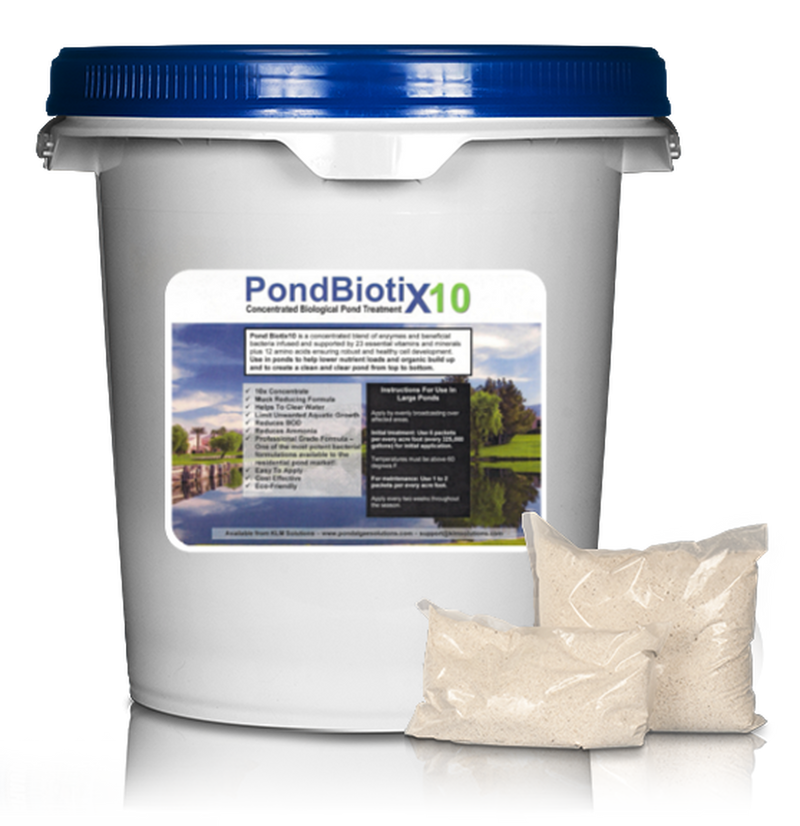
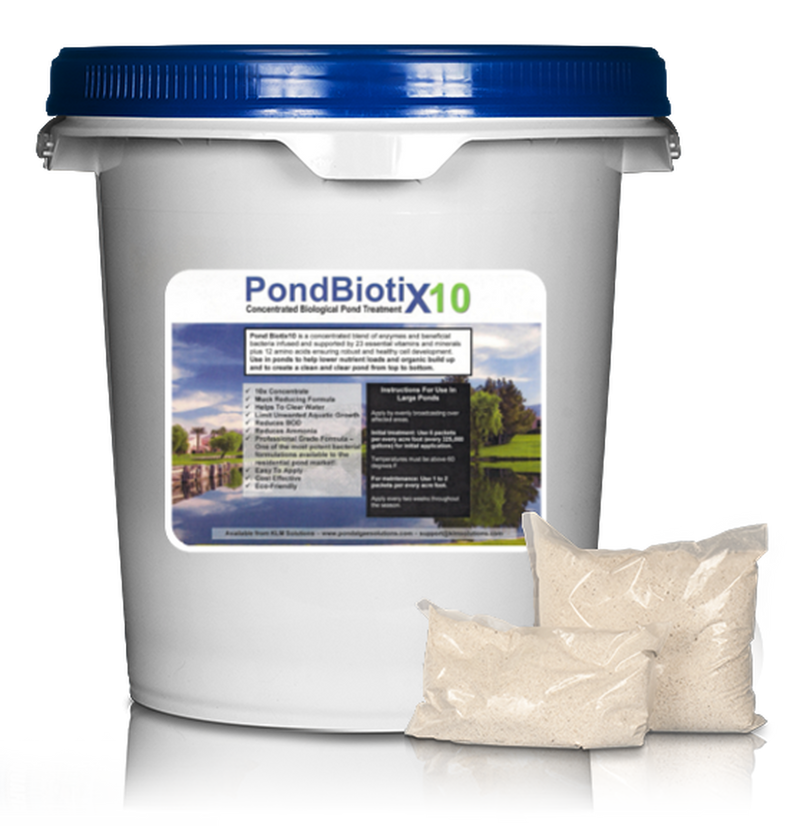
These microbial blends focus on the digestion of cellulose and lignin—the structural components of leaves that are resistant to standard bacterial breakdown. By accelerating the decomposition of this matter while the water is still oxygen-rich, the pond owner reduces the accumulation of "muck" that would otherwise fuel summer algae.
Benefits of Strategic Autumn Optimization
Implementing a rigorous maintenance protocol in October yields measurable improvements in water chemistry and system stability for the following year.
- Reduction in Internal Phosphorus Loading: Physical removal of leaves can reduce the annual phosphorus budget of a pond by up to 56%. This lower baseline makes summer algae management significantly more effective.
- Stabilization of Dissolved Oxygen: Minimizing the organic load reduces the winter BOD. This ensures that even under ice cover, oxygen levels remain above the critical 5 ppm threshold required for fish survival.
- Prevention of Hydrogen Sulfide Accumulation: In anoxic conditions, anaerobic bacteria produce hydrogen sulfide (H2S). Reducing the sludge layer in October prevents the buildup of this toxic gas under winter ice.
- Lower Algaecide Requirements: A pond with a managed nutrient budget requires fewer chemical interventions in July, preserving the long-term health of the biological filter.
Challenges and Common Mechanical Failures
The transition from autumn to winter presents several technical challenges that can compromise system integrity if not addressed.
Aeromonas Alley and Thermal Stress
As water temperatures fluctuate between 5°C and 15°C (42°F to 60°F), fish enter a period known as "Aeromonas Alley." During this phase, the fish’s immune systems are suppressed by the cold, but pathogenic bacteria like Aeromonas and Pseudomonas remain active. If the pond has high organic loads and poor water quality, the risk of hemorrhagic septicemia and ulcerations increases.
Pump and Plumbing Freezing
In regions where temperatures drop below freezing, external plumbing is susceptible to ice expansion. If a pump is left running but the water flow is restricted by ice, the resulting pressure can rupture PVC pipes or crack pump housings. Systems must be designed with adequate depth or insulation to prevent static water from freezing in the lines.
Limitations of Autumn Prep in Specific Environments
While fall preparation is universally beneficial, certain environmental variables can limit the effectiveness of standard protocols.
High Stocking Density vs. Nutrient Export
Ponds with a high biomass-to-volume ratio (overstocked koi ponds) generate significant metabolic waste regardless of leaf management. In these systems, fall prep alone cannot compensate for the lack of adequate biological filtration. Advanced filtration, such as pressurized bead filters or moving bed biofilm reactors (MBBR), must be maintained as long as temperatures allow.
Morphometry and Wind-Driven Loading
Ponds located in depressions or those with a high "fetch" (the distance wind travels over water) are subject to continuous debris loading. In these scenarios, static netting may fail under the weight of accumulated wet leaves, necessitating the use of tensioned support structures or frequent manual clearing.
Comparison: Manual Debris Removal vs. Biological Digestion
Managing organic matter can be achieved through mechanical means or microbial acceleration. The table below compares these two approaches based on technical metrics.
| Metric | Manual Removal (Netting/Skimming) | Biological Digestion (Bacterial Treatments) |
|---|---|---|
| Nutrient Removal Efficiency | High (Removes nutrient source entirely) | Medium (Converts solids to dissolved forms) |
| Impact on Dissolved Oxygen | Neutral | Negative (Increases BOD during active digestion) |
| Cost-Benefit Ratio | High (One-time netting cost) | Variable (Recurring chemical cost) |
| Labor Intensity | High (Setup and clearing) | Low (Dosing application) |
| Target Debris | Large solids (Leaves, twigs) | Fine organics and sludge (Muck) |
Practical Tips for Mechanical Optimization
To maximize the efficiency of autumn maintenance, the following technical adjustments should be implemented:
- Optimize Aerator Placement: In winter, move air diffusers to a shallower shelf (approximately 50% of the total depth). This prevents the "super-chilling" of the bottom water layer where fish overwinter in a state of torpor.
- Verify Carbonate Hardness (KH): The nitrification process consumes 7.14 mg of alkalinity for every 1 mg of ammonia oxidized. Ensure KH levels are above 100 ppm to prevent pH crashes during the final active biological phase of the year.
- Calibrate Auto-Fill Systems: Check auto-fill valves for leaks. Cold weather can cause mechanical seals to shrink, leading to water loss or continuous filling with chlorinated municipal water, which can kill beneficial bacteria.
- Utilize De-icers for Gas Exchange: A floating de-icer is not meant to heat the pond; its sole function is to maintain a small hole in the ice. This allows for the "out-gassing" of CO2 and methane while permitting oxygen diffusion.
Advanced Considerations: Redox Potential and Nutrient Lockout
Serious practitioners should monitor the Reduction-Oxidation (Redox) potential of the pond. Redox, measured in millivolts (mV), indicates the pond's ability to cleanse itself of organic pollutants. A healthy pond in October should maintain a Redox potential between 250mV and 400mV.
Low Redox readings indicate a high concentration of reducing agents (organics), which signals that the system is overwhelmed. To correct this, increased aeration or the application of calcium peroxide (a slow-release oxygen source) can be used to artificially raise the Redox potential and assist in the oxidative breakdown of debris.
Furthermore, consider the "Nutrient Lockout" strategy. By using lanthanum-modified clay or aluminum sulfate in the late fall, you can permanently bind reactive phosphorus in the sediment. This prevents it from ever becoming bioavailable for algae, regardless of future oxygen fluctuations.
Scenario Analysis: The 2,500-Gallon Eutrophic Response
Consider two identical 2,500-gallon ponds. Pond A undergoes rigorous October prep: netting is installed, 20 lbs of leaf litter are excluded, and cold-water bacteria are added. Pond B is ignored.
By July, Pond B has a sludge layer that has released an estimated 0.5 lbs of orthophosphate into the water. This concentration triggers a massive Microcystis bloom. The owner of Pond B must spend $300 on algaecides and 10 hours of manual labor. Pond A, with its nutrient source removed in October, maintains a stable orthophosphate level below 0.03 mg/L. The water remains clear with minimal intervention, demonstrating the high ROI of preventative maintenance.
Final Thoughts
The biological stability of a pond is contingent upon the management of its nutrient cycle. October is the most critical window for this management because it represents the peak influx of allochthonous carbon. By prioritizing mechanical exclusion and the stabilization of oxygen and alkalinity, the pond owner dictates the ecological conditions of the following summer.
Success in pond management is not achieved through reactive chemical treatments in July, but through the mechanical and biological optimization of the system in the fall. Maintaining a low-nutrient, high-oxygen environment is the only scientifically sound method for ensuring long-term water clarity and aquatic health.
Continuous monitoring of water parameters and the strategic use of psychrophilic microbes will provide the necessary foundation for a self-sustaining ecosystem. Practitioners who understand the relationship between autumn debris and summer algae are better equipped to maintain high-performance water features with minimal effort.