

Ducks on Your Pond: How Waterfowl Accelerate Algae Growth (And What to Do About It)
Ducks are only a 'problem' if their nutrients are in the wrong place. Waterfowl can turn a clear pond into an algae nightmare in weeks. Learn how to manage the 'nutrient bomb' and redirect that power to your garden instead.
Managing a pond with a resident waterfowl population requires a transition from aesthetic-focused maintenance to active nutrient engineering. While ducks are often valued for their pest control and egg production, their metabolic output introduces significant chemical stresses into closed or semi-closed aquatic systems. This metabolic load, if left unmanaged, triggers a predictable sequence of ecological degradation characterized by high turbidity, oxygen depletion, and rampant filamentous algae growth.
The core challenge lies in the sheer volume of organic matter deposited daily. A single duck can defecate between 50 and 60 times per day, introducing concentrated nitrogen, phosphorus, and potassium directly into the water column. This process, known as nutrient loading, fundamentally shifts the pond's Trophic State Index (TSI) from oligotrophic (nutrient-poor) to eutrophic (nutrient-rich) at a rate that exceeds the natural carrying capacity of most backyard ecosystems. To maintain water clarity and ecological health, the pond owner must treat the body of water as a biological reactor that requires specific mechanical and biological extraction protocols.
The Algae Nuisance vs The Garden Asset is not a conflict of biology, but a failure of distribution. By viewing the pond as a collection point for high-grade organic fertilizer rather than a static landscape feature, we can leverage hydraulic systems to export these nutrients. This article provides a technical framework for calculating nutrient loads, designing filtration systems, and implementing irrigation strategies that convert waterfowl waste into a measurable agricultural input.
Ducks on Your Pond: How Waterfowl Accelerate Algae Growth (And What to Do About It)
Ducks impact pond ecology through two primary mechanisms: nutrient excretion and bioturbation. While the introduction of fecal matter is the most visible factor, the physical behavior of waterfowl—specifically their tendency to sift through bottom sediments for food—constantly re-suspends "legacy" phosphorus that would otherwise remain sequestered in the pond liner. This creates a continuous cycle of nutrient availability that fuels algae blooms even after visible waste is removed.
Technically, duck waste is a high-moisture organic material, typically composed of 50% to 80% water. On a dry-matter basis, the nitrogen-to-phosphorus (N:P) ratio is approximately 1.7:1. In a typical 2.2-hectare pond environment, research indicates that a moderate duck population can contribute loading rates of 0.05 kg of nitrogen and 0.03 kg of phosphorus per hectare per day. In a smaller backyard pond of 1,000 to 5,000 gallons, these numbers scale up to create critical concentrations within days, not months.
The chemical result of this loading is an increase in Biochemical Oxygen Demand (BOD). BOD5, the standard measure of organic pollution, tracks the amount of dissolved oxygen consumed by microorganisms as they decompose waste over a five-day period. High-load duck ponds often record BOD levels of 6.0 to 8.0 mg/L. When BOD is high, the available dissolved oxygen (DO) for fish and beneficial aerobic bacteria is depleted. Once DO levels drop below critical thresholds, the pond shifts into an anaerobic state, leading to foul odors (hydrogen sulfide) and the death of aquatic life.
The Engineering of Nutrient Flow: Systems and Techniques
To prevent a total ecological collapse, the pond owner must implement a multi-stage management system. The goal is not to eliminate nutrients but to move them through the system at a rate that prevents accumulation. This is achieved through mechanical filtration, biological conversion, and hydraulic extraction.
1. Mechanical Pre-Filtration and Solids Capture
The first step in managing waterfowl waste is the removal of Total Suspended Solids (TSS). Duck waste contains heavy particulates that settle quickly. If these solids reach the main biological filter, they will clog the media and cause "channeling," where water bypasses the filtration zone. Use a mechanical pre-filter, such as a sieve filter or a settlement chamber, to trap heavy solids before they enter the pump. A vortex-style settlement tank is particularly effective, as it uses centrifugal force to pull solids to a central drain for easy purging.
2. Biological Conversion and Nitrification
Dissolved waste—specifically ammonia (NH3)—must be converted into less toxic nitrates (NO3) via the nitrogen cycle. This requires a biological filter with a high surface-area-to-volume ratio. K1 media or expanded clay pebbles provide billions of square millimeters for nitrifying bacteria to colonize. For a high-load duck pond, the biological filter should be sized to process the entire volume of the pond at least once every 1 to 2 hours. This ensures that ammonia levels remain below 0.1 ppm, protecting the health of the birds and any resident fish.
3. Hydraulic Nutrient Extraction (Fertigation)
The most efficient way to manage a "nutrient bomb" is to export it. Fertigation is the process of using nutrient-rich pond water to irrigate crops. By pumping water from the bottom of the pond (where nutrient concentrations are highest) and delivering it to a garden or orchard, you physically remove the excess nitrogen and phosphorus. This water must then be replaced with fresh, clean water. This "flush and fill" strategy mimics natural riverine systems and prevents the buildup of salts and organic acids.
Benefits and Advantages of Integrated Nutrient Management
Adopting a technical approach to waterfowl waste management offers several measurable advantages over traditional chemical treatments. While algaecides and "blue dyes" only mask symptoms, nutrient management addresses the root cause of pond degradation.
- Input Cost Reduction: Pond water enriched by duck waste provides a balanced organic fertilizer. Research shows that liquid duck manure functions as a near-balanced 4-4-4 fertilizer. Using this for irrigation can reduce the need for synthetic nitrogen and phosphorus inputs in the garden by up to 60%.
- Increased Crop Yields: The nitrogen in duck-enriched water is often in the form of ammonium, which is more readily available to plants than some synthetic nitrates. Studies on integrated fish-duck systems have shown significant increases in biomass production for both aquatic and terrestrial crops.
- Reduced Environmental Impact: By capturing and utilizing nutrients on-site, you prevent runoff from entering local watersheds. This prevents downstream eutrophication and helps maintain regional water quality.
- Enhanced Pond Clarity: Active extraction maintains the Trophic State Index at a level where filamentous algae cannot compete. When Total Nitrogen (TN) is kept below 1.3 mg/L and Total Phosphorus (TP) below 0.25 mg/L, water clarity increases significantly.
Challenges and Common Mechanical Failures
Implementing a nutrient loop is not without its technical pitfalls. The high organic load of duck ponds creates specific stresses on mechanical hardware and biological systems that differ from standard ornamental ponds.
Clogging of Drip Irrigation Systems: The most frequent failure occurs when users attempt to pump pond water through standard 1/4-inch drip lines or soaker hoses. The particle size in duck manure water is too large for these systems. Within 48 to 72 hours, the orifices will clog with biofilm and particulate matter. To avoid this, use "dirty water" pumps and large-diameter distribution pipes (at least 3/4 inch) with high-flow emitters or impact sprinklers.
Pump Cavitation and Sludge Accumulation: If a pump is placed directly on the pond floor, it will eventually intake thick sludge. This leads to impeller wear and cavitation. Pumps should be housed in a skimmer box or elevated at least 12 inches above the pond floor. Regular "sludge purges" using a dedicated solids-handling pump are necessary to prevent the accumulation of anaerobic muck.
Ammonia Spikes in Summer: Microbial metabolic rates are temperature-dependent. At higher temperatures, the rate of ammonification—the conversion of organic nitrogen to ammonia—accelerates. If the biological filter is not sufficiently aerated, the dissolved oxygen will be consumed by the waste-conversion process, leaving nothing for the birds or fish and causing a lethal ammonia spike.
Limitations and Environmental Constraints
While nutrient extraction is highly effective, there are realistic boundaries to what a small pond can handle. Understanding these limitations prevents the "overloading" of the biological reactor.
Bird-to-Volume Ratios: There is a hard limit to how many birds a volume of water can support. A general rule of thumb is no more than 1 duck per 50 to 100 gallons of water for a system with active mechanical filtration. For a natural, unfiltered pond, that ratio should be closer to 1 duck per 500 gallons. Exceeding these ratios will lead to persistent turbidity and high pathogen counts (E. coli), regardless of the management strategy used.
Seasonal Variations in Nutrient Uptake: Plants in the garden do not require the same amount of nitrogen year-round. During the winter dormancy period, the "export" part of the fertigation cycle is less effective. In colder climates, pond owners must rely more heavily on biological storage or increase the frequency of water changes to maintain water quality when the garden is not actively "drinking."
Sodium and Mineral Buildup: Over time, the continuous use of pond water in a closed garden loop can lead to the accumulation of salts. If you are not seeing sufficient rainfall to leach these salts from the soil, you may need to monitor soil conductivity to prevent mineral toxicity in sensitive crops.
Practical Tips for System Optimization
To maximize the efficiency of your nutrient management system, consider these operational best practices. These adjustments focus on increasing the "removal" rate of nutrients while minimizing energy expenditure.
- Implement a Bog Filter (Phyto-filtration): A bog filter is a shallow area planted with heavy-feeding aquatic plants like Cattails (Typha) or Canna Lilies. By forcing pond water to flow through the root zones of these plants, you create a massive biological sponge. For a duck pond, the bog filter surface area should be at least 30% of the main pond's surface area.
- Optimize Aeration: Use a bottom-mounted air diffuser rather than just a waterfall. Bottom aeration ensures that the entire water column remains aerobic, preventing the formation of "dead zones" where anaerobic bacteria produce foul-smelling gases. Aim for a Dissolved Oxygen level of at least 5-6 mg/L.
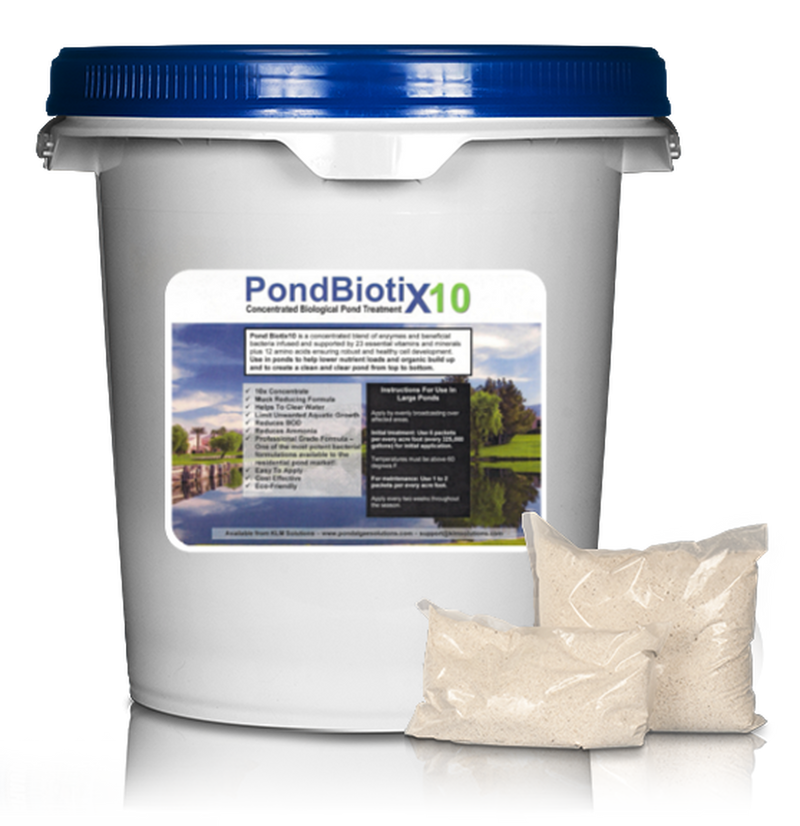
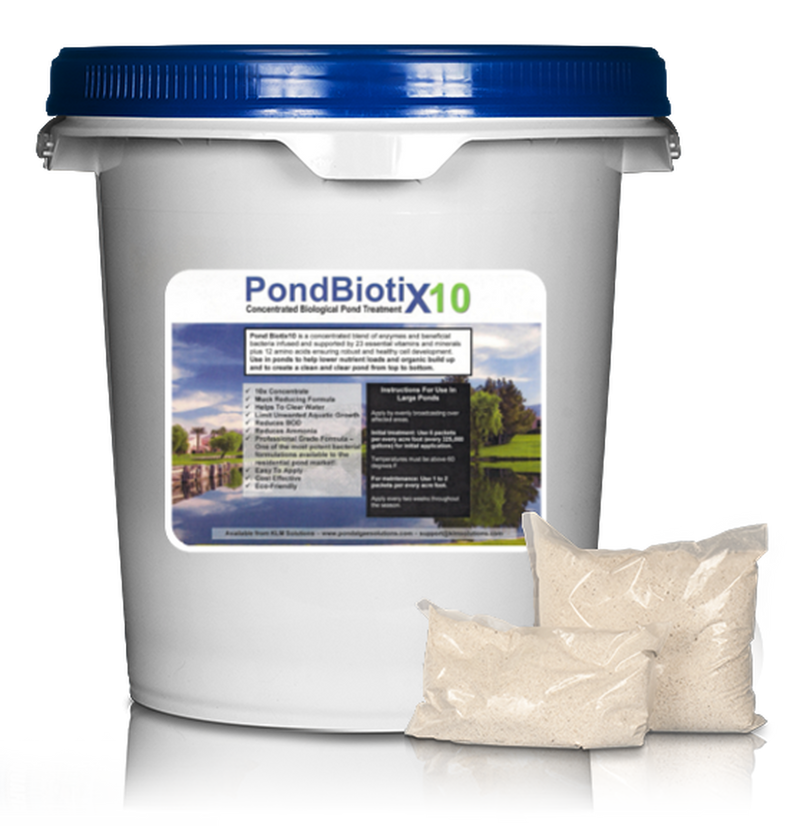
- Use Beneficial Bacteria Additives: Regular doses of "muck-eating" bacteria (Bacillus strains) can help digest the heavy organic solids that mechanical filters miss. These bacteria double their population every 20-30 minutes under ideal conditions, aggressively competing with algae for available nutrients.
- Harvest Duckweed: Duckweed (Lemna minor) is one of the most efficient nutrient extractors on the planet, capable of removing up to 93% of phosphorus and 91% of nitrogen from wastewater. If you allow duckweed to grow in a separate, fenced-off section of the pond, you can "harvest" the plants weekly. This duckweed can then be fed back to the ducks or added to the compost pile, physically removing nutrients from the water.
Advanced Considerations: The Stoichiometry of Pond Health
For the serious practitioner, managing a duck pond involves understanding the stoichiometry—the quantitative relationship between chemical elements—within the water. The Redfield Ratio (106C:16N:1P) is often used to describe the "perfect" balance of nutrients in an aquatic system. In duck ponds, this ratio is almost always skewed heavily toward phosphorus.
This phosphorus dominance is what fuels blue-green algae (cyanobacteria), which can fix nitrogen from the air. To combat this, advanced managers use phosphorus binders like Lanthanum-modified clay or Alum (Aluminum Sulfate). These chemicals bind to dissolved phosphate ions and "lock" them into a solid form that sinks to the bottom and becomes biologically unavailable. However, these treatments are temporary and should only be used as a supplement to active nutrient extraction.
Another advanced technique is the use of an Oxidation-Reduction Potential (ORP) meter. ORP measures the "cleansing power" of the water—essentially how effectively the water can oxidize organic waste. A healthy pond should have an ORP reading between 250mV and 400mV. If your ORP drops below 200mV, it is a leading indicator that the nutrient load is exceeding the filtration capacity, allowing you to take corrective action before an algae bloom occurs.
Example Scenario: The 2,000-Gallon Integrated System
Consider a homestead with 20 Pekin ducks and a 2,000-gallon pond. At a daily feed intake of 225g per bird, the total organic input into the pond is roughly 4.5kg of feed per day. Approximately 70% of the nitrogen in that feed will end up in the water as waste.
To manage this load, the homestead installs a 1/2 HP dirty-water pump connected to a 3-way valve.
Step 1: For 30 minutes each morning, the pump redirects 500 gallons of pond water to a nearby apple orchard (fertigation).
Step 2: An auto-fill valve replaces that water with 500 gallons of fresh well water, providing a 25% daily water change.
Step 3: The remaining 23 hours of the day, the pump circulates water through a 400-square-foot bog filter planted with water hyacinth.
The result: The nitrogen is exported to the trees, the phosphorus is sequestered by the hyacinth, and the BOD remains below 4 mg/L. The water remains clear, the orchard requires no additional fertilizer, and the ducks have a healthy, aerobic environment for swimming.
Final Thoughts
Ducks are highly efficient bio-converters that can either destroy an aquatic ecosystem or fuel a highly productive garden. The difference between these two outcomes is purely a matter of mechanical and biological management. By focusing on the removal of Total Suspended Solids, the conversion of ammonia via high-surface-area bio-filtration, and the consistent export of nutrient-rich water for irrigation, you can maintain a clear, healthy pond even with a significant waterfowl population.
The transition from a "problem" pond to a "resource" pond requires a shift in perspective. You are not just managing a landscape feature; you are operating a biological nutrient recovery system. This technical approach ensures that the "nutrient bomb" introduced by your ducks is never allowed to detonate in the pond, but is instead carefully dismantled and deployed where it can do the most good—in the soil of your garden.
As you experiment with these systems, remember that every pond is unique. Factors such as local water chemistry, ambient temperature, and specific duck breeds (e.g., heavy Pekins versus lighter Runners) will influence the necessary filtration capacity. Start with robust aeration and a consistent water-exchange protocol, and then scale your biological filtration to match the specific metabolic output of your flock.