Does Aeration Actually Help Control Pond Algae?
Algae thrives in stillness. Aeration brings the movement that keeps your pond alive and clear. Still water is a breeding ground for problems. Without movement, oxygen levels plummet and algae takes over. Aeration doesn't just 'add air'—it creates a dynamic environment where beneficial bacteria thrive and algae dies off. Watch how oxygenation changes the game.
Oxygen is the most critical limiting factor in the biological stability of any aquatic ecosystem. In an unmanaged, static water body, the lack of gas exchange creates a cascade of chemical failures that inevitably leads to eutrophication. This article provides a technical deep-dive into the mechanical and chemical mechanisms of pond aeration as a primary tool for algae suppression and nutrient management.
Does Aeration Actually Help Control Pond Algae?
Aeration is a mechanical process designed to increase dissolved oxygen (DO) levels and facilitate vertical mixing within a water column. While it is not a chemical algaecide, its role in algae control is foundational. It works by altering the chemical environment of the pond to make nutrients unavailable for algae growth.
In a stagnant pond, water often separates into layers based on temperature, a process known as thermal stratification. The bottom layer, or hypolimnion, becomes anoxic (devoid of oxygen). In these conditions, chemical bonds between iron and phosphorus break down. This causes a massive release of "internal" phosphorus back into the water column, effectively fertilizing the next algae bloom.
Aeration disrupts this cycle. By maintaining high oxygen levels at the sediment-water interface, aeration facilitates an oxidation reaction where phosphorus binds with naturally occurring iron. This creates a stable compound called ferric phosphate, which precipitates into the sediment. Once bound, this phosphorus is biologically unavailable to surface-dwelling algae spores.
Furthermore, aeration introduces physical stress to specific types of harmful algae. Cyanobacteria (blue-green algae) often rely on buoyancy to move between the nutrient-rich bottom and the light-rich surface. Mechanical circulation creates a turbulent environment that disrupts this migration, often leading to a shift toward less-noxious green algae species.
Mechanisms of Action: How Aeration Drives Water Quality
The efficacy of an aeration system is measured by its ability to achieve a complete turnover of the pond's volume. This is not merely about blowing bubbles; it is about the physics of water displacement and gas transfer.
Subsurface Diffused Aeration
This system utilizes an onshore compressor to push air through weighted tubing to diffusers located at the bottom of the pond. As the air exits the diffuser, it forms a column of tiny bubbles. These bubbles don't just add oxygen directly; they act as a "lift" mechanism. Through a process called laminar flow, the rising bubbles pull oxygen-depleted water from the bottom to the surface, where it can engage in atmospheric gas exchange.
Surface Aeration and Fountains
Surface aerators and fountains work from the top down. They splash or spray water into the air, increasing the surface area exposed to the atmosphere. This is highly effective for oxygenating the upper 2 to 4 feet of the water column. However, surface units are less efficient at breaking deep-water stratification compared to diffused systems.
The Role of Aerobic Bacteria
Aeration transforms the pond into a massive bioreactor. Oxygen-rich environments support aerobic bacteria, which are up to 20 times more efficient at breaking down organic matter than anaerobic bacteria. These microbes consume the "muck" (decaying leaves, fish waste, and dead algae) that serves as the fuel source for future blooms. By accelerating the decomposition of organic solids, aeration reduces the biochemical oxygen demand (BOD) of the pond.
Key Technical Benefits of Managed Oxygenation
Implementing a professional-grade aeration system provides measurable improvements in water chemistry and mechanical efficiency.
- Internal Nutrient Loading Reduction: Prevents the release of sediment-bound phosphorus by maintaining the redox potential at the pond bottom.
- Destratification: Eliminates the thermocline, ensuring uniform temperature and oxygen levels from the surface to the floor.
- Muck Digestion: Promotes the rapid oxidation of organic sludge, often reducing the muck layer by several inches per season without dredging.
- Pathogen Suppression: Increased circulation and UV exposure help reduce the levels of harmful bacteria like E. coli in community or swim ponds.
- Fish Habitat Expansion: Eliminates "dead zones" in deeper water, allowing fish to utilize 100% of the pond volume year-round.
Common Pitfalls and Engineering Mistakes
Poor system design often leads to sub-optimal results or mechanical failure. Success requires careful consideration of the pond's specific geometry and biological load.
Undersizing the System: The most frequent error is installing a system that cannot achieve at least one full turnover of the pond's volume every 24 hours. A system that is too small will fail to break the thermocline, leaving a reservoir of nutrients at the bottom.
Improper Diffuser Placement: Placing diffusers in the shallowest parts of a pond limits their effectiveness. Because the volume of water moved by a bubble plume increases with depth, diffusers should be positioned in the deepest areas to maximize the "lift" effect.
Ignoring Backpressure: Every foot of depth adds approximately 0.43 PSI of resistance. A compressor rated for 3.0 CFM at the surface may only deliver 1.5 CFM at 15 feet. Failure to account for depth-induced backpressure leads to premature motor wear and insufficient oxygenation.
Sudden Start-ups: Introducing high-volume aeration to an anoxic pond in the middle of summer can cause a "turnover" event. This brings toxic gases (like hydrogen sulfide) to the surface too quickly, potentially causing fish kills. Systems must be started gradually—one hour the first day, two hours the second—to allow for slow stabilization.
Limitations and Environmental Constraints
Aeration is a management tool, not a total cure for every water quality issue. Certain conditions can overwhelm even the most robust systems.
Large-scale external loading is a primary constraint. If a pond receives massive amounts of phosphorus from agricultural runoff or lawn fertilizers, aeration alone may not be enough to stop algae blooms. The input of new nutrients can exceed the rate at which the pond can sequester them into the sediment.
Depth also dictates technology choice. In ponds shallower than 6 feet, diffused aeration is significantly less efficient because the bubble plume doesn't have enough vertical "travel time" to create a strong upward current. In these shallow environments, high-volume surface aerators are often the superior mechanical choice.
Comparing Management Strategies: Static vs. Dynamic
The differences between a managed, aerated pond and a neglected, stagnant one are measurable across several technical metrics.
| Metric | Static Stagnation | Dynamic Oxygenation |
|---|---|---|
| Dissolved Oxygen (Bottom) | 0 - 2 mg/L (Anoxic) | 5 - 8 mg/L (Aerobic) |
| Phosphorus State | Soluble / Bioavailable | Precipitated / Insoluble |
| Organic Decomposition | Slow (Anaerobic) | Rapid (Aerobic) |
| Thermal Profile | Stratified / Thermocline | Homogeneous / Mixed |
| Dominant Algae Type | Cyanobacteria (Toxic) | Green Algae (Non-Toxic) |
Best Practices for System Optimization
Maximizing the ROI of an aeration system requires ongoing monitoring and precise adjustments.
- Run Time: For maximum algae suppression, systems should run 24/7. Biological processes do not stop at night; in fact, oxygen levels often drop lowest during pre-dawn hours due to plant respiration.
- Maintenance: Clean air filters every 3-6 months. A clogged filter increases heat and wear on the compressor vanes or diaphragms, reducing CFM output.
- Winter Operation: If the pond is used for recreation or has fish, aeration can prevent "winter kill" by keeping a hole open in the ice for gas exchange. However, diffusers should be moved to shallower water in winter to prevent super-cooling the deep water where fish congregate.
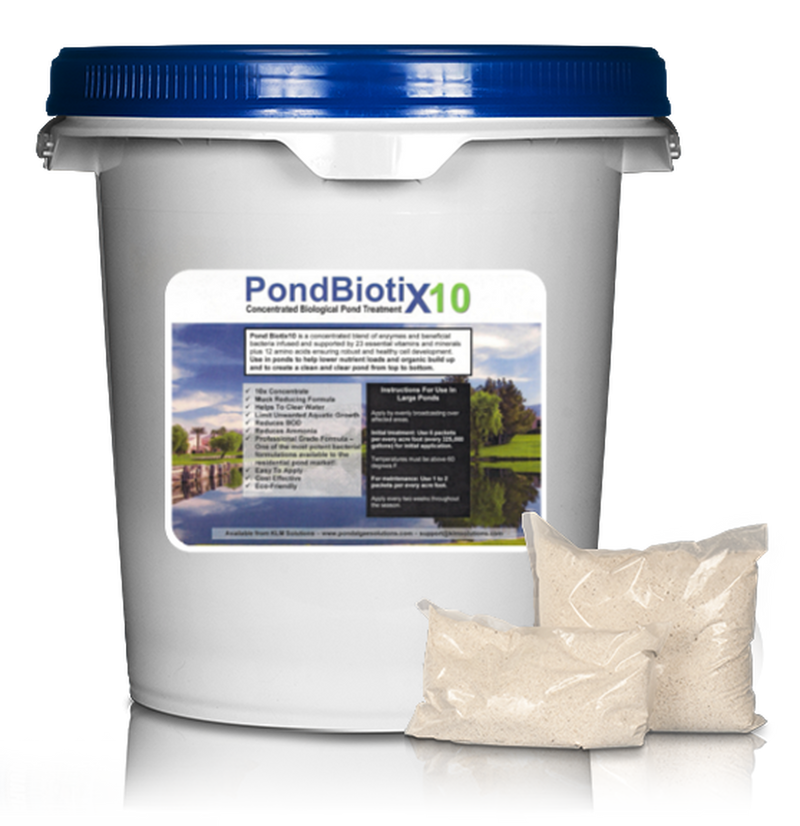
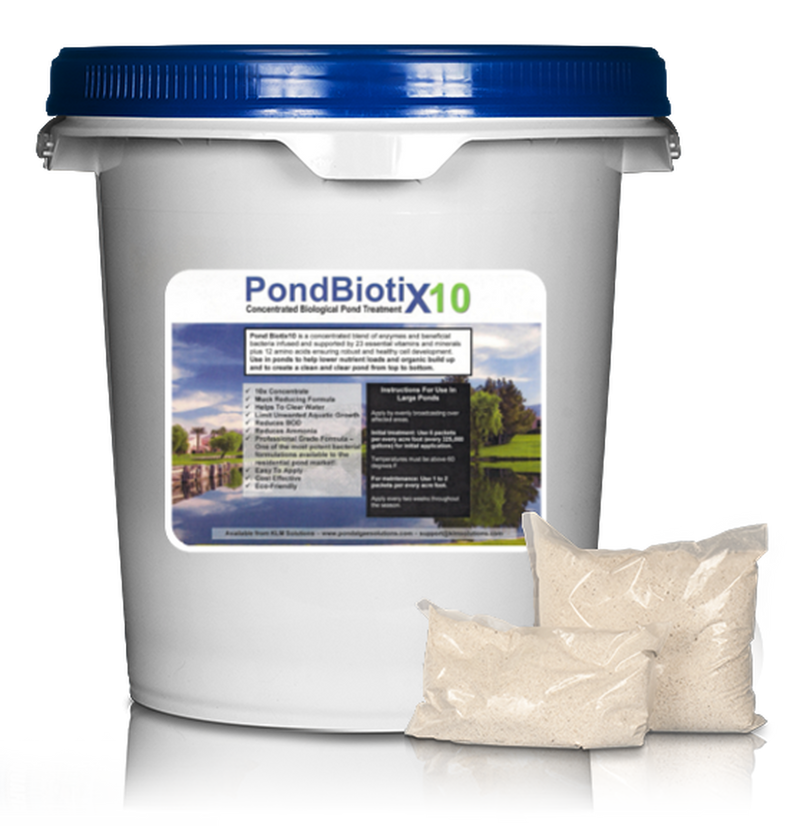
- Bio-Augmentation: Supplementing aeration with specialized aerobic bacteria treatments can further accelerate muck reduction and nutrient uptake.
Advanced Considerations: SOTR and OTE
Serious practitioners should look at Standard Oxygen Transfer Rate (SOTR) and Oxygen Transfer Efficiency (OTE). SOTR measures the pounds of oxygen a system can dissolve into clean water per hour. OTE measures how much of the air pumped into the water actually dissolves.
In diffused systems, OTE increases by approximately 1.6% for every foot of depth. This means a diffuser at 15 feet is significantly more efficient than one at 5 feet. Fine-bubble diffusers (producing bubbles <2mm) offer much higher surface area contact than coarse-bubble systems, making them the industry standard for nutrient-limiting aeration.
Practical Example: Sizing a 1-Acre Pond
Consider a 1-acre pond with an average depth of 8 feet. To achieve one turnover every 24 hours, the system must move approximately 325,000 gallons of water per day.
Using the standard baseline of 1.5 CFM per surface acre, a 1/4 HP rocking piston compressor would be the ideal choice. This compressor typically produces around 2.5 CFM at 8 feet of depth. When paired with two dual-disk diffusers placed at opposite ends of the pond's deep basin, the system will provide sufficient vertical lift to ensure no part of the water column remains stagnant.
If this pond had a heavy fish load or existing algae problems, an engineer might "size up" to a 1/2 HP system to increase the OTE and handle the higher biochemical oxygen demand.
Final Thoughts
Maintaining a clear, healthy pond is a matter of managing the energy and nutrient cycles within the water. Aeration serves as the engine for this management, providing the mechanical force necessary to keep nutrients locked in the sediment and oxygen flowing to the organisms that process waste.
Effective algae control starts at the bottom. By eliminating anoxia and promoting aerobic digestion, aeration treats the cause of the problem rather than just the symptoms. While initial hardware costs can be significant, the long-term reduction in chemical treatments and dredging expenses makes mechanical aeration the most cost-effective solution for sustainable pond management.
Begin with a proper site assessment, calculate your volume and depth requirements, and choose a system designed for continuous duty. A well-engineered aeration setup is the difference between a dying pond and a thriving, self-sustaining ecosystem.