

Blue-Green Algae vs String Algae
One is a biological hazard; the other is a sign of a healthy ecosystem. Don't panic at the sight of green! String algae is often a sign of life, while Blue-Green algae is a toxic warning. Here is how to tell them apart before you treat your pond.
Understanding the fundamental biological differences between these two organisms is critical for effective pond management. One represents a multicellular plant-like structure that contributes to the oxygen cycle, while the other is a prokaryotic colony capable of producing lethal neurotoxins. Misidentifying these can lead to expensive treatment errors or, in the worst cases, the loss of livestock and pets.
Whether you are managing a backyard koi pond or a large-scale retention basin, technical accuracy is your first line of defense. This guide breaks down the morphology, chemistry, and ecology of these aquatic growths to help you maintain a balanced system.
Blue-Green Algae vs String Algae
The primary distinction between these two lies in their biological classification. String algae, often referred to as filamentous algae, are true eukaryotic organisms. They belong to the kingdom Plantae or Protista, depending on the specific genus, such as Spirogyra or Cladophora. They possess complex cell structures, including distinct nuclei and chloroplasts arranged in organized patterns.
Blue-green algae are not actually algae. They are Cyanobacteria, a phylum of bacteria that obtain their energy through photosynthesis. This distinction is not merely academic; it dictates how the organism behaves in the water column and how it responds to chemical interventions. While string algae grow in physical structures you can touch, cyanobacteria often exist as single cells or small colonies that form a suspended "soup" or a thin, paint-like film on the surface.
In a real-world setting, string algae act as a biological filter. They consume excess nitrates and phosphates, effectively competing with more dangerous organisms for resources. Cyanobacteria, however, are often a symptom of a collapsed ecosystem or an Urban Runoff Bloom. This occurs when high levels of phosphorus enter a stagnant system, allowing bacteria to out-compete beneficial plants.
How to Identify Algae Using the Stick Test
Identification begins with a physical assessment. Since cyanobacteria and filamentous algae can both appear green to the naked eye, you must test their structural integrity. The "stick test" is the industry standard for rapid field identification.
The Filamentous Response
When you submerge a stick into a patch of string algae and pull it out, the organism will cling to the wood. You will see long, hair-like strands or wet, wool-like clumps. This is because filamentous algae form physical chains of cells that are physically intertwined. You can often squeeze the water out of these mats, leaving behind a fibrous mass.
The Cyanobacteria Response
If you attempt the same test with blue-green algae, the results are markedly different. The "bloom" will not cling to the stick. Instead, the water will simply look like it has been dyed or painted. The bacteria lack the cellular "velcro" of string algae. If the growth appears as a surface scum, the stick will pass through it like it is moving through a layer of spilled oil or thin pudding.
Microscopic Characteristics
For professional practitioners, microscopy offers a definitive answer. Under 400x magnification, string algae reveal beautiful, organized structures. Spirogyra cells feature a characteristic spiral chloroplast. Cladophora shows branching filaments with thick cell walls. In contrast, cyanobacteria like Microcystis appear as irregular clusters of tiny, round cells without a visible nucleus. Anabaena looks like a string of beads, often containing specialized cells called heterocysts used for nitrogen fixation.
Benefits of String Algae in the Ecosystem
While often considered an eyesore, string algae provide several mechanical and biological advantages to a pond. They are a sign of a productive environment where photosynthesis is actively occurring.
String algae are prolific oxygenators. During daylight hours, they undergo intense photosynthesis, releasing dissolved oxygen directly into the water. This is vital for fish health, especially in the early morning hours when oxygen levels are naturally at their lowest. They also serve as a physical substrate. Tiny invertebrates, such as daphnia and scuds, live within the filaments. These organisms are a primary food source for fish, creating a natural food web.
From a water chemistry perspective, string algae are "nutrient sinks." They sequester nitrogen and phosphorus within their biomass. As long as the algae remain alive and are periodically harvested, they effectively remove these pollutants from the water column. This prevents the "pea soup" look of planktonic algae blooms.
Challenges and Common Mistakes in Identification
The most frequent error in pond management is treating all green growth as a single problem. Applying a broad-spectrum algaecide at the first sign of green can backfire. If you kill off a healthy population of string algae, you suddenly release a massive load of nutrients back into the water.
Without the string algae to consume these nutrients, the pond becomes a vacuum. This vacuum is often filled by cyanobacteria. This process is known as a "bloom flip." You move from a nuisance (stringy moss) to a biological hazard (toxic bacteria) in a matter of days.
Another mistake is ignoring the smell. String algae generally have a "grassy" or "earthy" scent. Cyanobacteria, especially as they begin to die off, produce Geosmin and 2-Methylisoborneol (MIB). These compounds create a pungent, musty, or septic odor that can be detected from a distance. If your pond smells like a swamp or a wet basement, you are likely dealing with a bacterial issue rather than a moss issue.
Limitations of Visual Inspection
Visual cues are helpful but have realistic constraints. Factors like water depth, light penetration, and mineral content can change the appearance of these organisms.
For example, Wild Stream Moss often looks remarkably like string algae but is actually a bryophyte. It is much hardier and requires different management. Additionally, some species of cyanobacteria, such as Lyngbya, are actually filamentous. They form mats that can look like string algae but are still toxic.
In high-stakes environments, such as municipal reservoirs or commercial aquaculture, visual inspection is never enough. Professional labs use Fluorometry to detect specific pigments like Phycocyanin, which is unique to cyanobacteria. If Phycocyanin levels are high, the water is flagged for toxin testing regardless of how "green" it looks.
Comparative Analysis of Physical and Biological Traits
The following table summarizes the technical differences between these two aquatic occupants.
| Feature | String Algae (Filamentous) | Blue-Green Algae (Cyanobacteria) |
|---|---|---|
| Classification | Eukaryotic Plant/Protist | Prokaryotic Bacteria |
| Physical Form | Strands, threads, hair-like mats | Slime, "spilled paint," suspended dust |
| Attachment | Anchors to rocks, liner, or plants | Free-floating or surface film |
| Toxicity | Non-toxic to mammals | Highly toxic (Neuro/Hepatotoxins) |
| Manual Removal | Highly effective via raking | Impossible; passes through nets |
Practical Tips for Management and Control
Efficient pond management focuses on nutrient limitation rather than chemical warfare. If you have identified your growth correctly, follow these best practices for remediation.
- Manual Extraction: For string algae, physical removal is the most efficient method. Use a rake or a specialized "algae brush" to wind up the strands. Removing the biomass also removes the phosphorus contained within it.
- Nutrient Competition: Introduce higher plants like Water Lilies, Pickerel Rush, or Anacharis. These plants compete directly with both algae and bacteria for dissolved nutrients. Aim for 50% to 60% surface coverage.
- Aeration Strategy: Cyanobacteria prefer stagnant, stratified water. Subsurface aeration disrupts the water column, preventing the thermal stratification that allows bacteria to rise to the surface.
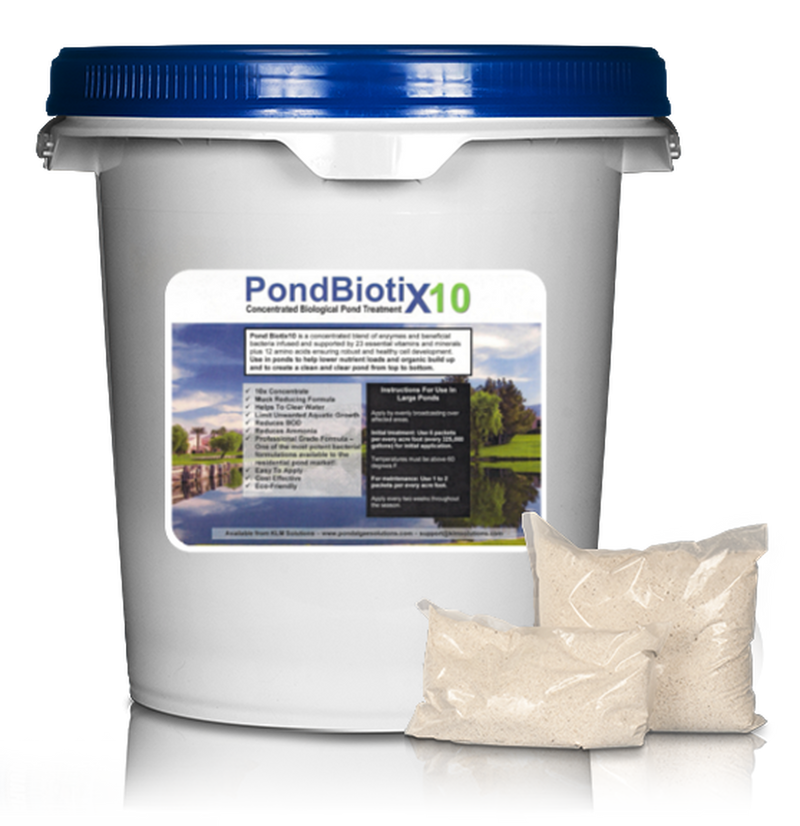
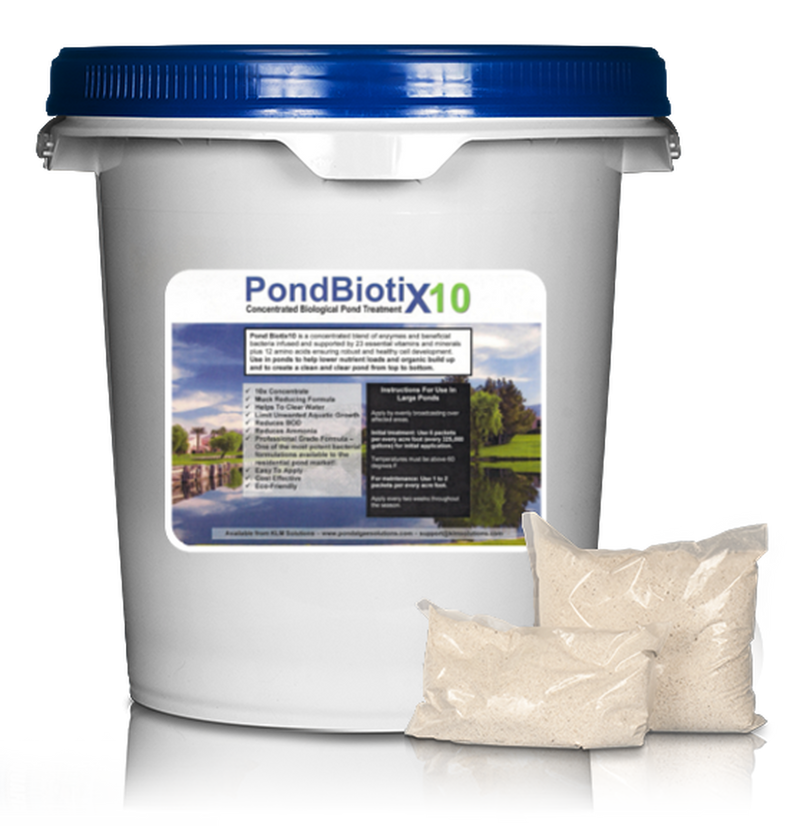
- Beneficial Microbes: Dosing the pond with specific strains of Bacillus bacteria can help. These microbes consume organic "muck" on the bottom, depriving algae and cyanobacteria of their primary food source.
Advanced Considerations: The Nitrogen-Phosphorus Ratio
For the serious practitioner, understanding the Redfield Ratio is the key to preventing cyanobacteria. This ratio describes the optimal balance of Carbon, Nitrogen, and Phosphorus (106:16:1) in aquatic environments.
Cyanobacteria have a unique advantage: many species can "fix" nitrogen from the atmosphere. This means they can thrive in water where nitrogen is low but phosphorus is high. When the N:P ratio drops below 10:1, the risk of a toxic blue-green bloom increases significantly. Conversely, string algae prefer a higher nitrogen environment.
To shift the balance away from toxic bacteria, you must focus on reducing phosphorus. This can be achieved through the use of Lanthanum-modified clay or Aluminum Sulfate (Alum). These compounds bind to phosphate ions, making them unavailable for biological uptake. Testing your water for "Soluble Reactive Phosphorus" (SRP) will give you the data needed to make these adjustments.
Examples and Scenarios
Consider a typical 2,000-gallon garden pond in mid-July. The water temperature is 78°F. The owner notices a thick, bright green mat covering the waterfall rocks.
Scenario A: The owner performs the stick test. The green mass lifts off the rocks in long, tough strings. This is Filamentous Algae. The correct response is to manually pull the algae, increase the frequency of filter cleaning, and perhaps add a few more aquatic plants. The pond is essentially healthy but slightly over-fertilized.
Scenario B: The owner notices the water has become "misty" and green, with a blue-ish sheen in the corners. The stick test reveals nothing; the water simply flows around the stick. A faint smell of rotten eggs is present. This is Cyanobacteria. The correct response is to stop all feeding of fish, increase aeration to the maximum, and use a peroxide-based algaecide specifically rated for HABs (Harmful Algal Blooms). Contact with the water should be avoided.
Final Thoughts
Distinguishing between string algae and blue-green algae is the difference between managing a garden and managing a biohazard. String algae, while sometimes frustrating, are a manageable part of a living aquatic system. They contribute to the food web and indicate that your pond has the basic components of a functional ecosystem.
Blue-green algae represent a system in crisis. Their presence indicates a nutrient overload that the current biological community cannot handle. By using the stick test and understanding the underlying chemical drivers like the N:P ratio, you can take control of your pond's health before a crisis occurs.
Effective pond management is a marathon, not a sprint. Focus on long-term stability through aeration, proper planting, and nutrient control. Experiment with different plant species to find what works best in your local climate, and always prioritize data over guesswork when treating your water.