

Best Treatments For Blue-Green Algae In Fish Ponds
Expensive chemicals are a temporary fix; biological balance is a permanent solution. Don't trade one toxin for another. Discover the fish-safe, biological methods to clear cyanobacteria without breaking the bank.
Managing a fish pond requires an understanding of limnology and microbial ecology. When the system shifts toward cyanobacteria dominance, it indicates a failure in nutrient cycling and a breakdown of the biological filter. Addressing this shift requires more than a reactionary application of algaecides; it demands a systematic recalibration of the pond's chemical and biological parameters.
This guide provides a technical analysis of the most effective treatments for blue-green algae, focusing on mechanical efficiency, bacterial competition, and nutrient sequestration. Practitioners must prioritize long-term stability over rapid, high-risk chemical interventions that often lead to oxygen depletion and secondary pollution.
Best Treatments For Blue-Green Algae In Fish Ponds
Cyanobacteria, commonly referred to as blue-green algae, are actually Gram-negative, photosynthetic bacteria. Unlike true algae, these organisms possess gas vesicles that allow them to regulate buoyancy, moving vertically through the water column to access optimal light and nutrients. This physiological advantage makes them highly resilient in stagnant, nutrient-rich environments.
The best treatments for blue-green algae focus on disrupting this competitive advantage. Effective methods include biological competition using specific bacterial strains, mechanical disruption of gas vesicles, and chemical sequestration of limiting nutrients like phosphorus. In aquaculture and ornamental ponds, the objective is to maintain a diverse phytoplankton community while suppressing the monocultures formed by toxic genera like Microcystis or Anabaena.
Treatments are categorized by their mode of action: biological, physical, or chemical. While chemical treatments offer immediate results, they often trigger the release of intracellular cyanotoxins (such as microcystins) upon cell lysis, posing a direct threat to fish health. Biological and mechanical methods, however, aim to limit growth rates and restore ecological equilibrium without the risk of sudden toxin surges.
Mechanical and Physical Intervention Strategies
Physical treatments target the environmental conditions that favor cyanobacteria. Because these organisms thrive in stratified, low-energy water, mechanical intervention focuses on increasing turbulence and disrupting the vertical migration of the cells.
High-Efficiency Aeration and Vertical Mixing
Subsurface aeration systems utilize diffusers to create a rising plume of air bubbles. This process induces vertical circulation, pulling cooler, nutrient-poor water from the bottom to the surface and pushing cyanobacteria into darker, deeper zones where photosynthesis is limited. For optimal efficiency, the system should achieve at least two full water turnovers per 24-hour period.
Ultrasonic Radiation (20-90 kHz)
Ultrasonic devices emit sound waves that create localized cavitation. This mechanical stress ruptures the gas vesicles within the cyanobacteria cells, causing them to lose buoyancy and sink to the pond bottom. Research indicates that frequencies between 20 kHz and 90 kHz are most effective, with removal rates reaching up to 87.6% under controlled conditions. Efficiency is dependent on the transducer's effective range and the species-specific resilience of the cell walls.
UV-C Sterilization and Filtration
Ultraviolet (UV-C) clarifiers expose pond water to high-intensity light at a wavelength of approximately 254 nm. This radiation disrupts the DNA and cellular functioning of the organisms, preventing reproduction. While highly effective for suspended "pea soup" algae, its efficacy against filamentous cyanobacteria is limited by the water's flow rate and turbidity. A dwell time of at least 0.5 to 1.0 seconds within the UV chamber is required for significant microbial reduction.
Mechanism of Biological Suppression
Biological treatment involves the introduction of antagonistic microorganisms or the manipulation of nutrient ratios to favor beneficial organisms. This approach leverages the principle of competitive exclusion.
Probiotic Bacillus Strains
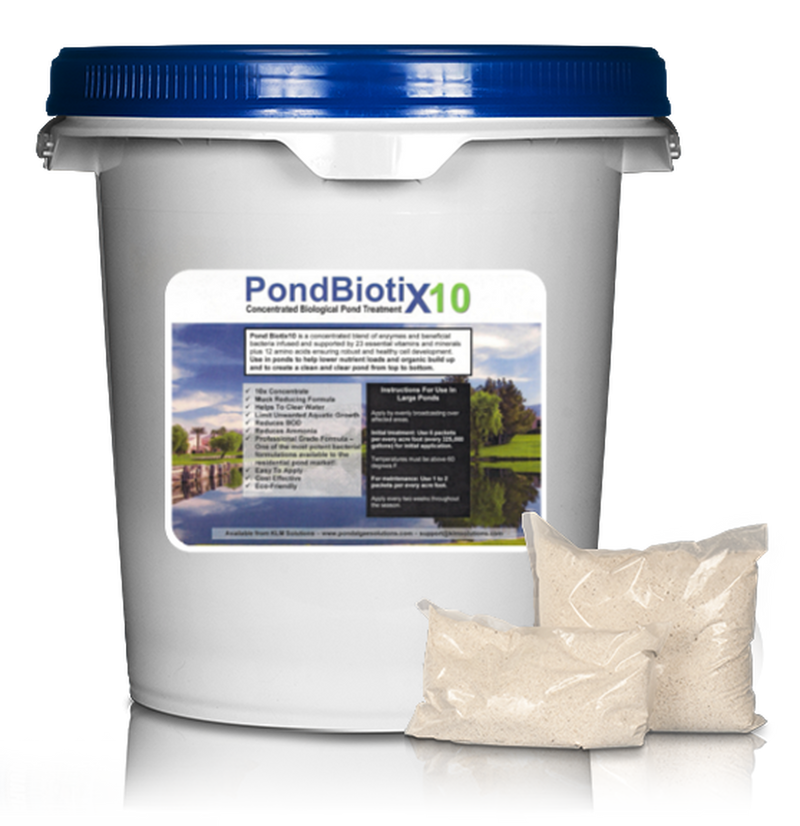
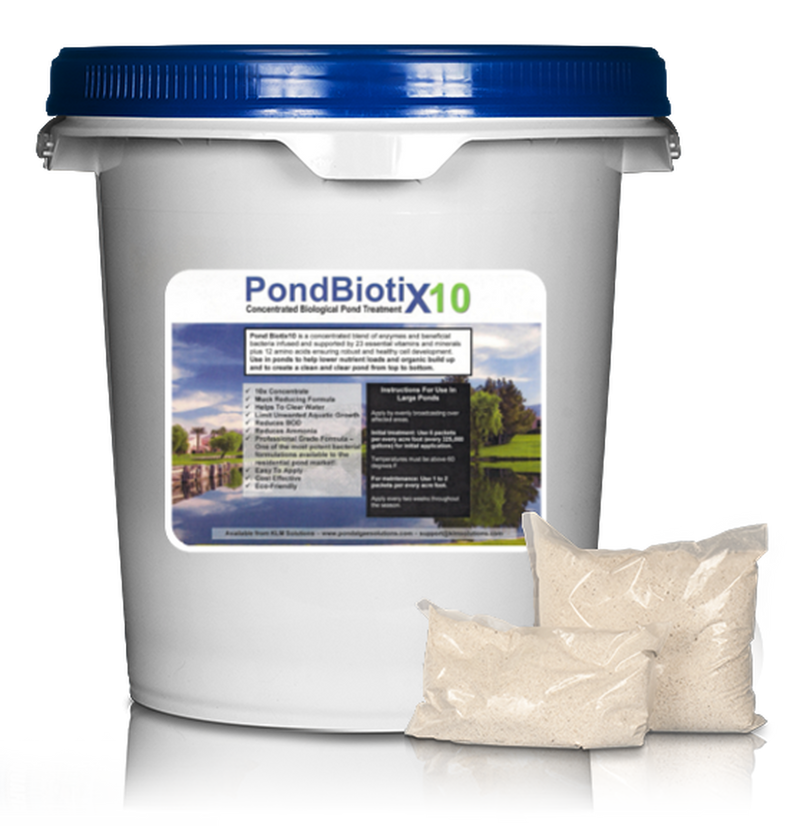
Certain strains of Bacillus subtilis and Bacillus amyloliquefaciens act as potent biocontrol agents. These bacteria secrete extracellular enzymes, including proteases and lipases, which degrade the cell walls of cyanobacteria. Some strains also produce antimicrobial compounds like bacilysin, which has shown a kill rate of over 98.7% against Microcystis aeruginosa in laboratory trials. Furthermore, these probiotics accelerate the decomposition of organic muck, reducing the internal nutrient load that fuels blooms.
Nutrient Sequestration and The Redfield Ratio
The growth of cyanobacteria is often limited by the availability of phosphorus. Biological treatments focus on sequestering dissolved orthophosphate into bacterial biomass or insoluble precipitates. Maintaining a Nitrogen-to-Phosphorus (N:P) mass ratio above 20:1 is a critical technical metric. When N:P ratios fall below 15:1, the environment becomes highly conducive to nitrogen-fixing cyanobacteria. Increasing the ratio by adding safe nitrogen sources or reducing phosphate via mineral binders can shift the community back toward desirable green algae.
Benefits of Biological Remediation
Choosing biological methods over traditional algaecides provides several measurable advantages in fish-bearing systems. These benefits are centered on ecosystem stability and the prevention of catastrophic fish kills.
Fish Safety and Toxin Management: Biological suppression is typically slower than chemical lysis. This controlled decline prevents the sudden release of high concentrations of neurotoxins and hepatotoxins into the water. It also avoids the rapid "oxygen crash" associated with the decomposition of massive amounts of dead organic matter.
Long-Term Efficacy: While a copper sulfate treatment may clear a pond in 48 hours, it does not address the underlying nutrient surplus. Biological treatments establish a microbial community that continues to compete for nutrients, providing a self-sustaining defense against future blooms. This reduces the frequency and cost of maintenance over the pond's lifecycle.
Mechanical Optimization: Integrating biological agents with mechanical systems, such as aeration, creates a synergistic effect. Aeration maintains the dissolved oxygen (DO) levels required for aerobic bacteria to process nutrients efficiently, thereby increasing the speed of the biological remediation process.
Challenges and Common Mistakes
Failures in treating blue-green algae often stem from a lack of technical precision or an incomplete understanding of the pond's chemistry. Avoiding these pitfalls is essential for a successful outcome.
One frequent error is the use of non-selective algaecides without subsequent nutrient management. Killing the bloom releases vast amounts of phosphorus back into the water column. Without a mechanism to bind this phosphorus—such as lanthanum-modified clay or bacterial uptake—a "rebound bloom" often occurs within 14 to 21 days, frequently more intense than the original.
Another common mistake is underestimating the biological oxygen demand (BOD) during a bloom's decline. As cyanobacteria die, heterotrophic bacteria consume oxygen to decompose the biomass. If supplemental aeration is not provided, the DO levels can drop below 3.0 mg/L, leading to acute respiratory distress and mortality in fish populations.
Lastly, many practitioners fail to account for the "internal loading" of nutrients from the bottom sediment. Even if external runoff is controlled, years of accumulated organic muck can release enough phosphorus to sustain blooms indefinitely. Addressing the sediment through bacterial "muck-eating" pellets or physical removal is often necessary for permanent results.
Limitations and Environmental Constraints
Biological and mechanical treatments are not universal solutions and are subject to specific environmental constraints. Understanding these boundaries ensures realistic expectations and proper system design.
Temperature is a primary limiting factor for biological treatments. Most beneficial Bacillus strains exhibit peak metabolic activity between 20°C and 30°C. In water temperatures below 10°C, microbial growth rates slow significantly, making biological remediation ineffective for cold-weather blooms. Conversely, cyanobacteria thrive in high temperatures, often outcompeting other organisms when water exceeds 25°C.
Water chemistry, specifically alkalinity and pH, also dictates treatment efficacy. High pH environments (above 9.0), often caused by the bloom itself through CO2 depletion, can inhibit the growth of certain beneficial microbes. Mechanical solutions like ultrasonic radiation may have reduced effective distances in highly turbid water or complex pond geometries with significant "dead zones" that the sound waves cannot reach.
Comparative Analysis of Treatment Methods
The following table compares the primary categories of cyanobacteria treatment based on efficiency, safety, and long-term stability.
| Treatment Method | Efficiency Metric | Fish Safety | Maintenance Level | Primary Limitation |
|---|---|---|---|---|
| Biological (Probiotics) | High (Competitive Exclusion) | Very High | Low (Periodic Dosing) | Temperature dependent |
| Mechanical (Aeration) | Moderate (Mixing) | High | Medium (Equipment) | Power requirement |
| Ultrasonic (20-90 kHz) | High (Vesicle Rupture) | High | Low (Automated) | Effective range |
| Chemical (H2O2 / Copper) | Very High (Lysis) | Low to Moderate | High (Monitoring) | Toxin release |
Practical Tips and Best Practices
Applying these treatments effectively requires a data-driven approach. Implement the following best practices to optimize pond health and suppress cyanobacteria growth.
- Monitor Phosphate Levels: Use a high-sensitivity test kit to maintain orthophosphate levels below 0.05 mg/L. If levels exceed 0.1 mg/L, apply a mineral-based phosphate binder immediately.
- Optimize Aeration Placement: Ensure diffusers are placed in the deepest parts of the pond to maximize the volume of water being moved. Avoid "dead spots" where water remains stagnant, as these will serve as nurseries for new blooms.
- Implement Regular Probiotic Dosing: Rather than treating only during a bloom, establish a maintenance dose of Bacillus-based products every 2-4 weeks. This keeps the beneficial microbial population high enough to outcompete opportunistic cyanobacteria.
- Utilize Shade: Reducing light penetration by 20-30% using pond dyes or floating aquatic plants can significantly lower the photosynthetic rate of cyanobacteria without harming fish.
Advanced Considerations for Large Systems
In larger aquaculture operations or large ponds, scaling these treatments requires additional technical considerations. The focus shifts toward "dual nutrient management"—controlling both nitrogen and phosphorus simultaneously.
Advanced practitioners may use carbon dosing to stimulate the growth of heterotrophic bacteria. By providing a readily available carbon source (such as specific enzymes or organic acids), you can trigger a "bacterial bloom" of beneficial species that rapidly consume dissolved nitrogen and phosphorus, effectively starving the cyanobacteria. This must be done carefully, as it significantly increases the oxygen demand of the system.
Furthermore, the use of biofilm scaffolds can enhance the efficacy of biological treatments. Providing high-surface-area media within the filter or pond allows algicidal bacteria to establish stable colonies, increasing their persistence in the face of water changes or environmental fluctuations.
Example Scenario: Remediation of a 1-Acre Fish Pond
Consider a 1-acre pond with a depth of 6 feet, currently experiencing a heavy Microcystis bloom. The phosphate levels are measured at 0.25 mg/L, and the N:P ratio is 8:1. The water temperature is 24°C.
The remediation plan begins with the installation of a 1/2 HP subsurface aeration system to break the thermal stratification. Simultaneously, a phosphate binder is applied to reduce orthophosphate from 0.25 mg/L to below 0.05 mg/L. This immediately shifts the nutrient balance, making it less favorable for the bloom.
Next, a high-concentration probiotic blend containing Bacillus subtilis is introduced at a rate of 5 lbs per acre-foot. Over the next 14 days, the cyanobacteria biovolume decreases by 60% as the bacteria compete for the remaining nutrients and secrete algicidal enzymes. No fish mortality is observed, as the aeration system maintains DO levels above 6.0 mg/L despite the increased decomposition load. Within 30 days, the water clarity increases from 12 inches to 36 inches as green algae and diatoms begin to recolonize the system.
Final Thoughts
Successfully treating blue-green algae in fish ponds requires a transition from reactive chemical dosing to proactive biological management. By focusing on nutrient ratios, mechanical aeration, and the introduction of competitive bacterial strains, you can create an environment where cyanobacteria cannot achieve dominance. This approach protects fish health, reduces long-term costs, and restores the natural ecological balance of the water body.
Efficiency in pond management is achieved through the integration of multiple strategies. No single tool—whether it be an aerator, a probiotic, or a UV light—is a complete solution on its own. Instead, the synergy of these methods provides a robust defense against the unique physiological advantages of cyanobacteria.
Continued monitoring and incremental adjustments are the hallmarks of a successful practitioner. By maintaining strict control over phosphorus levels and supporting a healthy microbial community, you ensure that your pond remains a stable, productive, and toxin-free environment for years to come.